
 Rick Claypool on Pay to Play Corporate Crime Enforcement
  Labaton Launches Whistleblower Practice with Former SEC Acting Chair Allison Herren Lee
  Kremlin payment firm A7 has been pumping billions in ‘untraceable’ cash into global financial system
 In ancient China, summer heat could be deadly long before the advent of air conditioning.
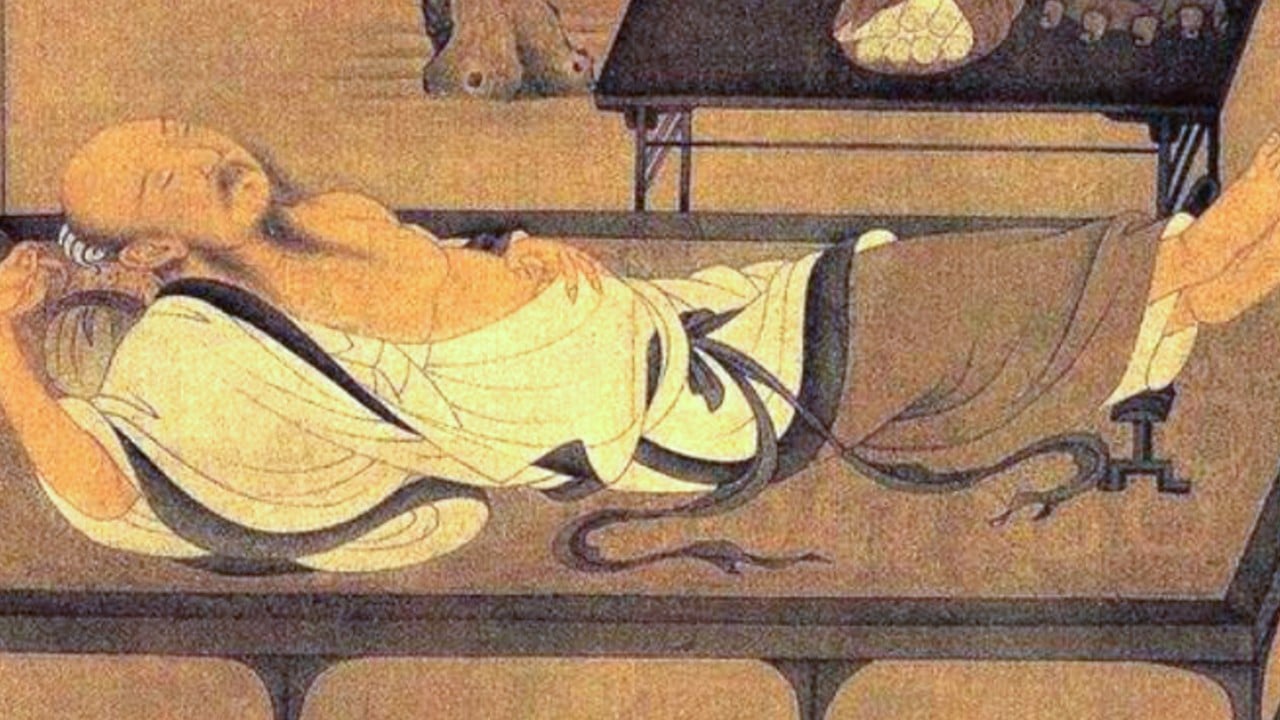
To survive it, people resorted to remedies ranging from imperial ice sculptures and water-powered fans to the more carefree practice of dressing minimally.
One of the most devastating examples occurred during the reign of Emperor Qianlong in the Qing dynasty (1644–1912), when an extreme heatwave swept across northern China.
Advertisement
Lacking modern weather stations, officials documented the disaster through observable signs: parched fields, dead livestock, ruined crops, and rising death tolls.
Modern researchers, utilising historical inscriptions and records, estimate that temperatures in many counties soared to 40 to 43 degrees Celsius.
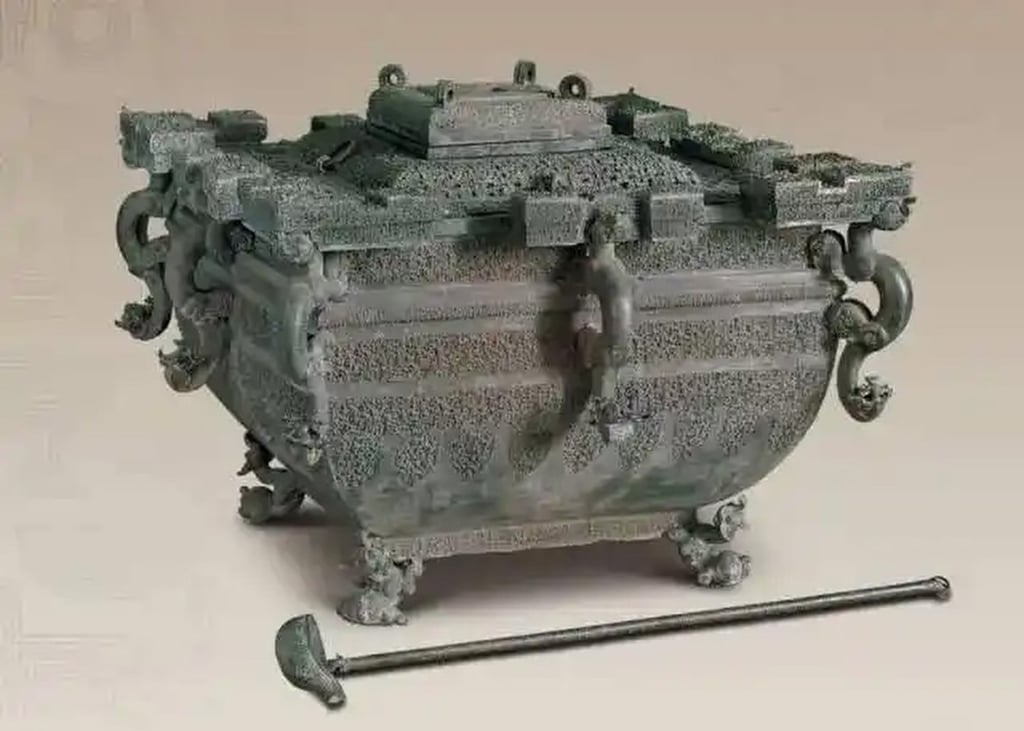
In July 1743, records indicate that around 11,400 people perished in and around Beijing within just 10 days, with many being poor residents, labourers and craftsmen.
Advertisement
Don't Miss:
-
A Total of 13 Mass Graves Have Been Found in Viesca Containing the Charred Remains of Men and Women
-
Jorge Luis Zambrano, alias “Rasquiña”
-
El Taliban Fell In Mazatlán… And What He Confessed Ties Everything Together
-
Inside the Camp at the Heart of Honduras’ Garífuna Land Struggle
-
This Is How the MataZetas Captured and Executed the Zetas