
 Development without Dominance
  China Capital stories reveal how ICBC advanced China’s political goals across four continents
  Bangladesh’s Hill Country Needs Dialogue, Not More Bureaucracy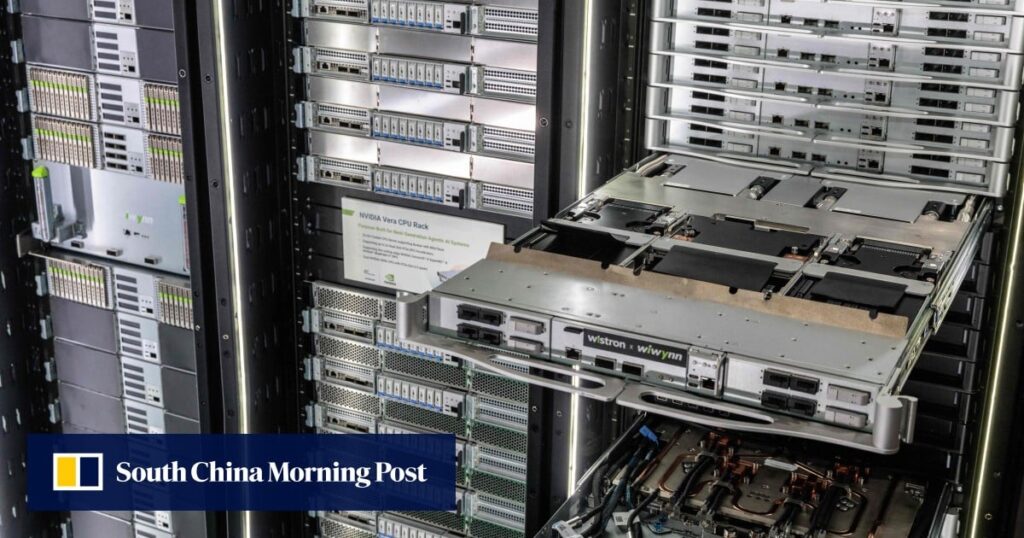
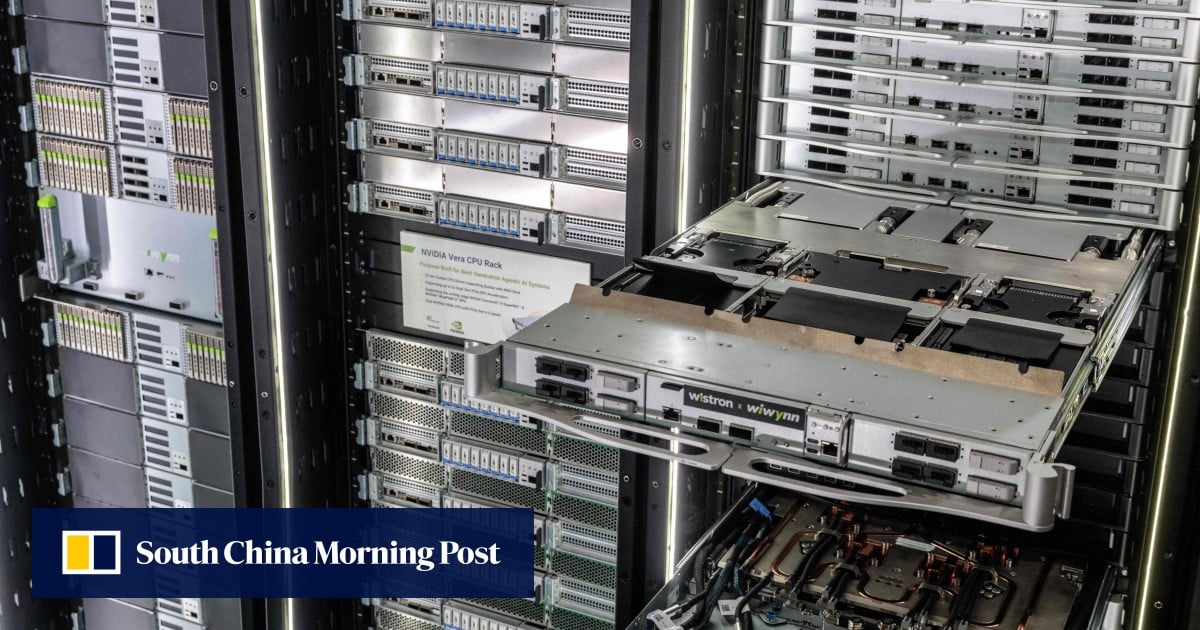
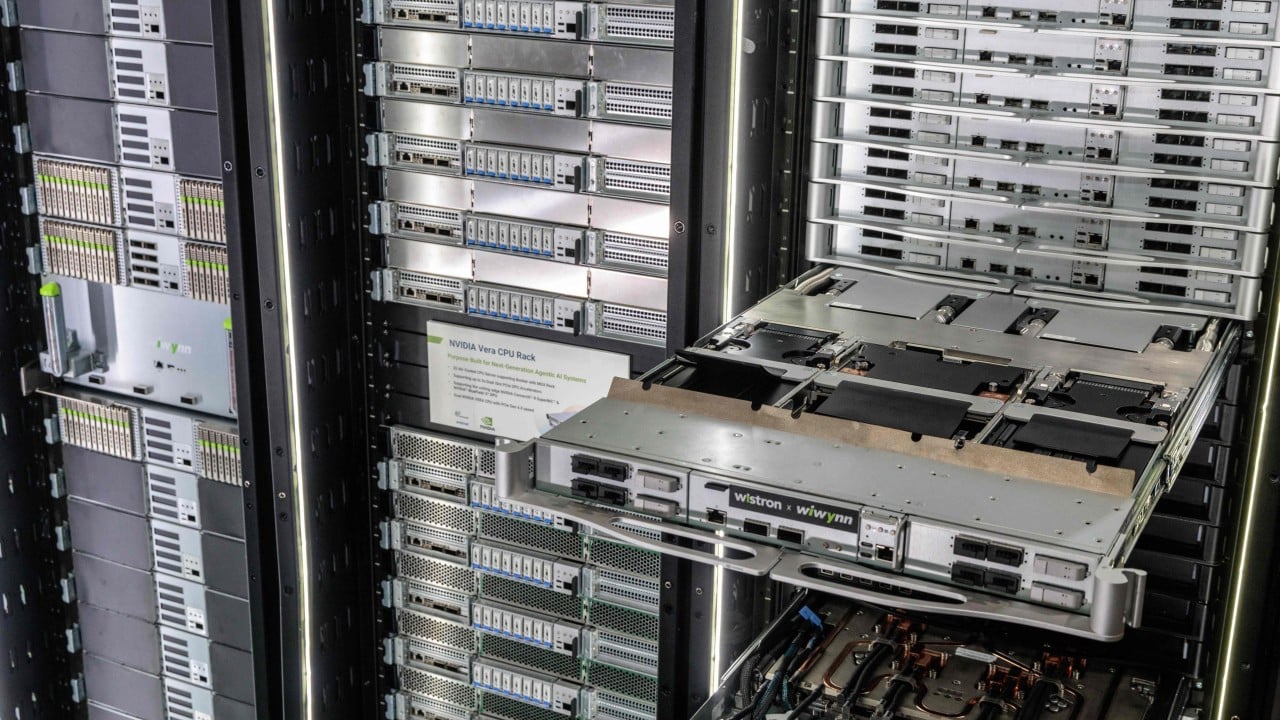
The northern Shandong province-based company had a 5 per cent weighting on the CSI 300 Index on Friday, making it the largest of the 300 most valuable stocks on the Shanghai and Shenzhen exchanges. The index’s weighting is based on the market capitalisation of free-float shares.
Advertisement
The shake-up shows how AI is upending the market, rewarding the companies on the frontier of innovation while eschewing those in traditional industries. The change matches the global trend of concentration in AI stocks, with tech companies accounting for about 40 per cent of the weighting of the S&P 500 index.
Shares of Zhongji Innolight have nearly doubled this year in Shenzhen, extending a fivefold bull run in 2025. Demand for the company’s high-speed optical modules – used for data transmission across server racks in AI data centres – has been soaring as hyperscalers pour billions of dollars into AI infrastructure.
Advertisement
The company supplies hyperscalers in the US and China. Alphabet, the parent of Google, was its biggest client, accounting for 22 per cent of its sales, according to Bloomberg data. Amazon and Meta Platforms were responsible for 11 per cent and 6.4 per cent of its business, respectively. Huawei Technologies was its biggest domestic customer, accounting for 5 per cent revenue, while Alibaba Group Holding made up 1.9 per cent, the data showed.
Don't Miss:
-
Authorities may appeal engineer’s non-custodial sentence in Queen Mary Hospital lift case
-
US judge orders Trump to lift White House ban on news outlets
-
Tencent rolls out payment app for foreign travellers ahead of Apec summit
-
Milei renews Argentina’s Falklands claim, rails against ‘useless’ UN
-
Italy greenlights return of nuclear power after decades-long ban