
 How Hungary’s richest man funneled millions into Orbán’s propaganda machine
  How Real Is the US Withdrawal from the Middle East?
  From Iran to China: An Emerging Trans-Central Asian Corridor
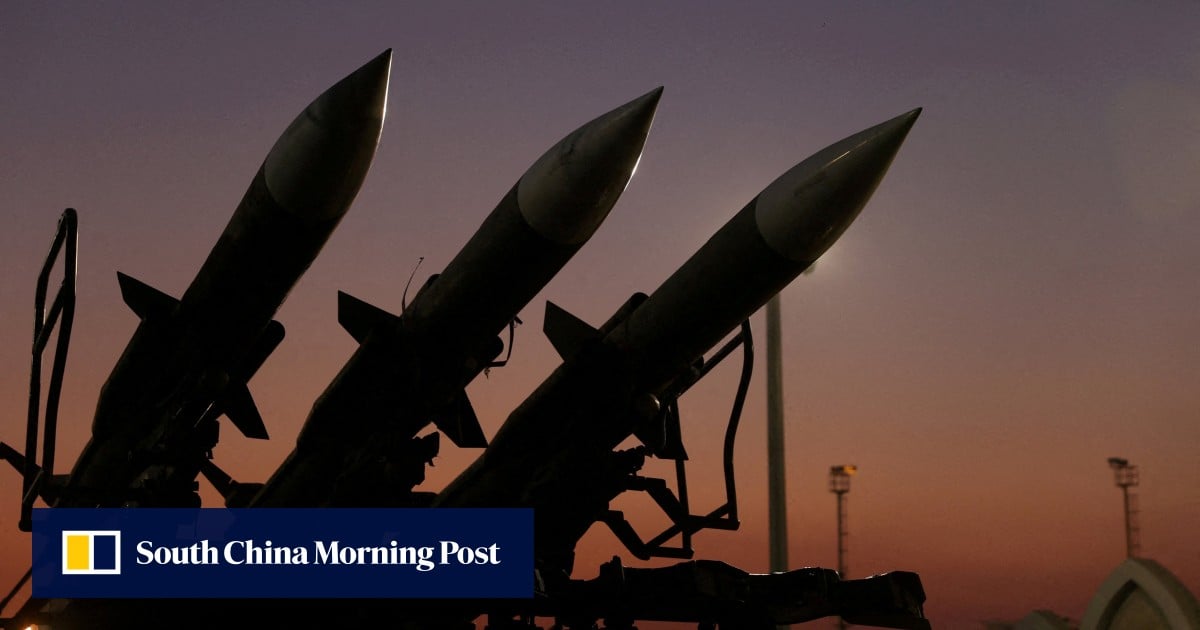
Nuclear containment and regional ceasefires are the most viable entry points for potential negotiations between Washington and Tehran, according to a prominent Chinese expert on the Middle East.
Niu Xinchun, director of the China-Arab Research Institute at Ningxia University, said the escalating conflict had vindicated China’s insistence on diplomatic and political solutions as the only way forward.
He said that although both the US and Iran were open to talks – with Washington “in a much greater hurry” – progress depended on substantial concessions to narrow the divide between their public positions.
Advertisement
“The most likely areas for concessions start with a ceasefire and the nuclear issues,” he said, citing the Iran nuclear deal signed in 2015 as a precedent.
Washington withdrew from the deal in 2018 under Donald Trump’s first presidential term, claiming the agreement failed to curb Iran’s missile programme and regional influence. Tehran began exceeding the limits on its nuclear programme a year later.
Advertisement
“Before the conflict broke out, Iran explicitly stated that the nuclear issue was on the table, whereas their missile programme and regional proxy issues were not. Iran’s policy hasn’t changed – they are still willing to discuss the nuclear programme,” Niu said.
Don't Miss:
-
Canada will not allow assisted suicide for those with only mental illness
-
Trump wants to turn Florida golf course into presidential retreat
-
US proposes US$70,000 fee for foreign students to work after graduation
-
France halts use of stun grenades in policing of student protests
-
The Jalisco Cartel: At Its Weakest Point in History