
 Questions swirl around US plans for record $15B Prince Group crypto seizure
  Donate to ICIJ
  Chelsea FC fined millions over secret payments under Abramovich ownership
 [The content of this article has been produced by our advertising partner.]
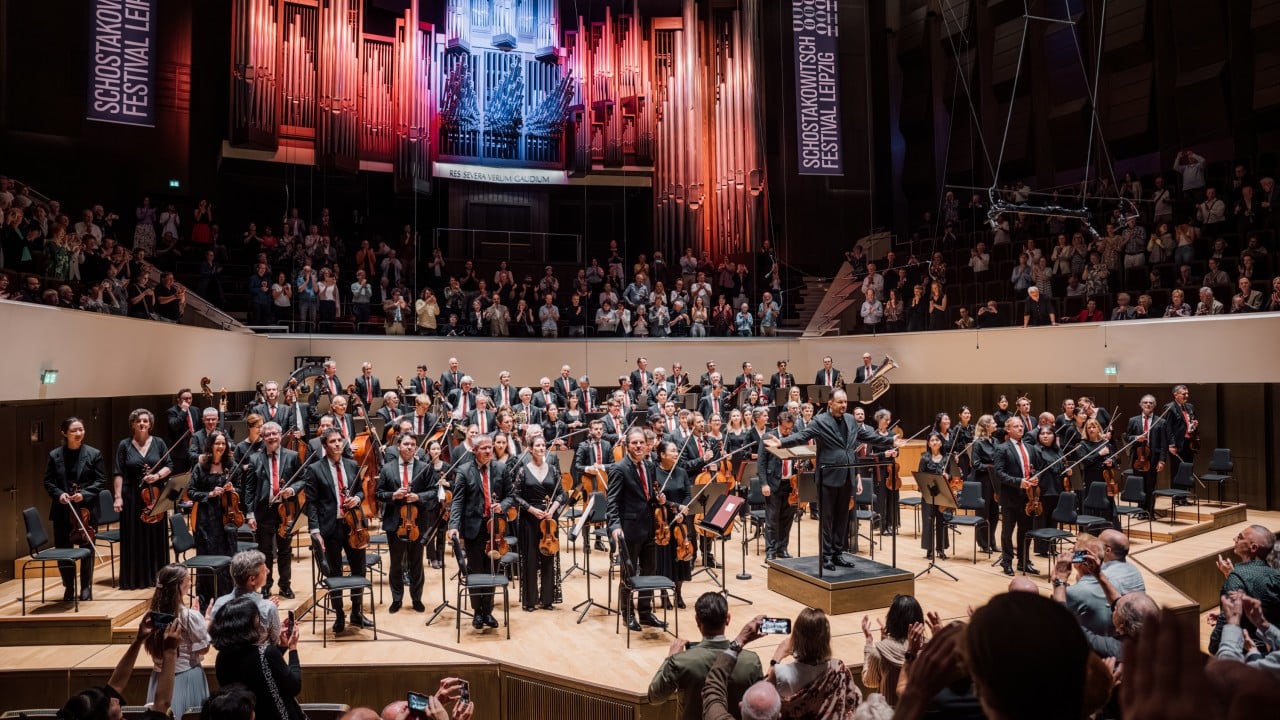
The Gewandhausorchester Leipzig – the world’s oldest continuously operating civic orchestra – grew out of that culture. When it arrives in Hong Kong this June, it brings something few orchestras can claim: nearly three centuries of continuous music-making.
As early as 1479, Leipzig’s City Council employed municipal musicians – the Kunstpfeifer, or “artistic pipers” – embedding professional music in the city’s civic and religious life. The orchestra as we know it took shape in 1743, when a society of Leipzig citizens founded the “Das Große Concert”. In the mid-18th century, orchestral life still revolved largely around courts and churches, supported by aristocratic and ecclesiastical patronage rather than ticket-buying audiences.
Advertisement
Leipzig took a different path. Its orchestra was sustained not by a court but by a prosperous trading city – merchants, scholars and an increasingly confident middle class who regarded concerts as part of civic life. In 1781 the performances moved to a hall in the city’s textile trading house – the Gewandhaus (Gewand means “garment or robe”) – and the orchestra gradually became known simply as the Gewandhausorchester.
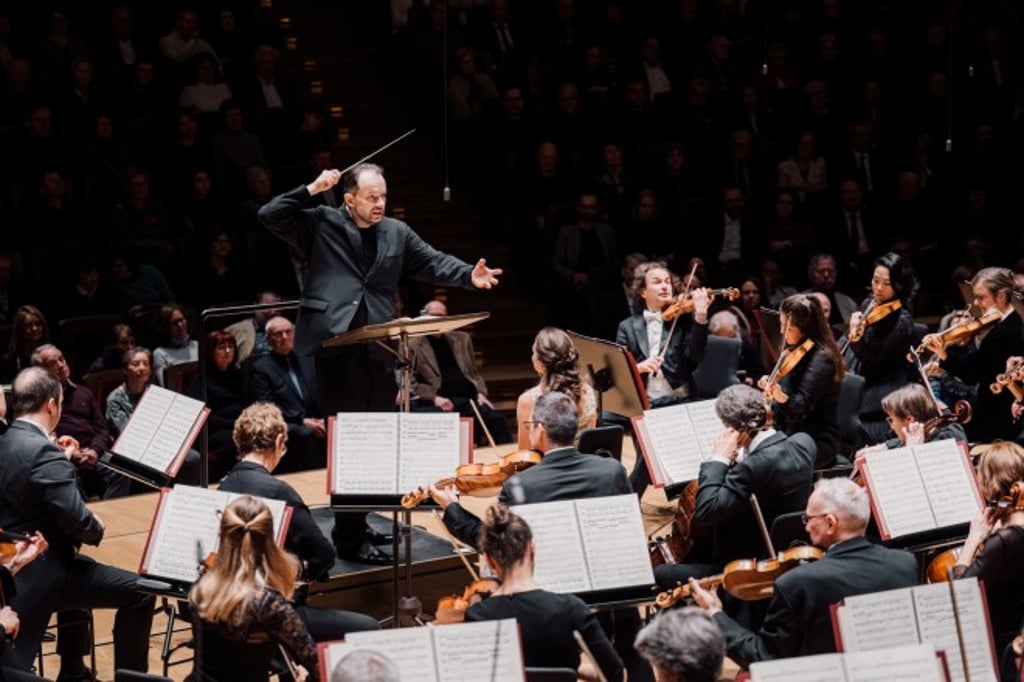
That rich history is written directly into the programmes the orchestra brings to the Hong Kong Cultural Centre Concert Hall on 2 and 3 June 2026. Under its Music Director Andris Nelsons, the Gewandhausorchester opens its first concert with Beethoven’s Piano Concerto No. 5 in E-flat. English-speaking audiences know it as the “Emperor” Concerto, a nickname coined by the work’s London publisher and never used by Beethoven himself – an irony, given the composer’s well-documented disillusionment with Napoleon. Whatever the title, it stands as one of the defining statements of the early 19th century, expanding the concerto’s scale and reimagining the balance between soloist and orchestra.
Advertisement
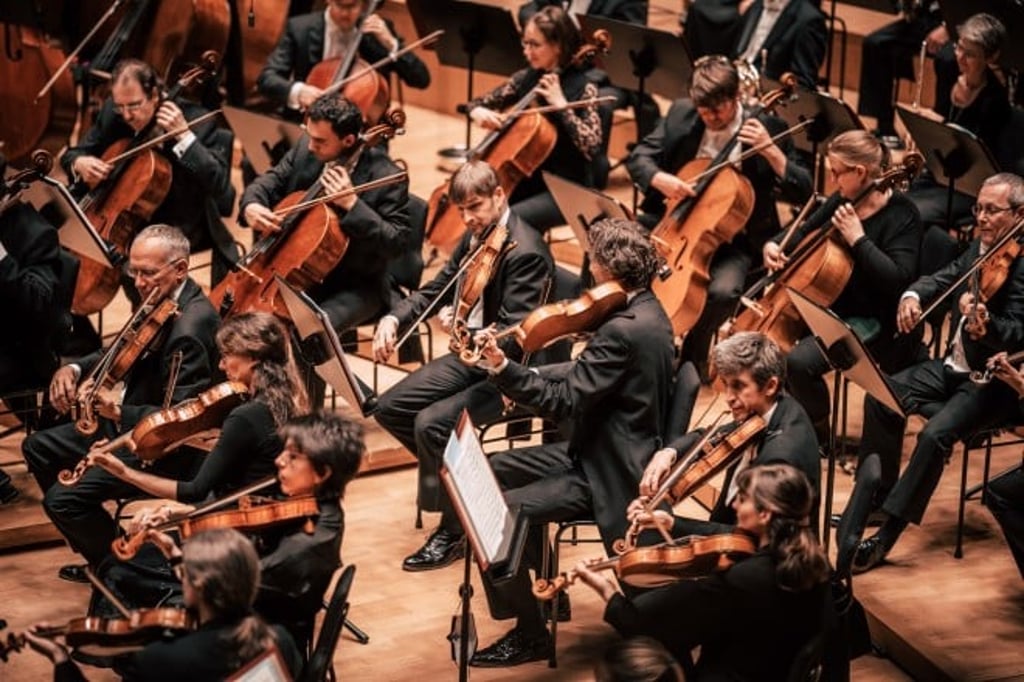
The second half of the programme brings the story further into focus with Schumann’s Symphony No. 1 in B-flat, the “Spring” Symphony. In 1841, the Gewandhausorchester gave the work its world premiere under Felix Mendelssohn, then Music Director of the orchestra.
Mendelssohn’s tenure in Leipzig was pivotal. Appointed in 1835 at just 26, he raised the orchestra’s standards and, through his meticulous rehearsal methods, helped shape the evolution of modern conducting practice.
His friendship with Robert Schumann proved equally significant. By the early 1840s, Schumann was already known as a pianist, a composer of piano cycles and Lieder, and an influential music critic. Encouraged by his wife Clara Schumann to expand his ambitions, he turned to orchestral writing in 1841. Mendelssohn’s support – and the platform of the Gewandhaus – gave his First Symphony a public launch of real authority.
Advertisement
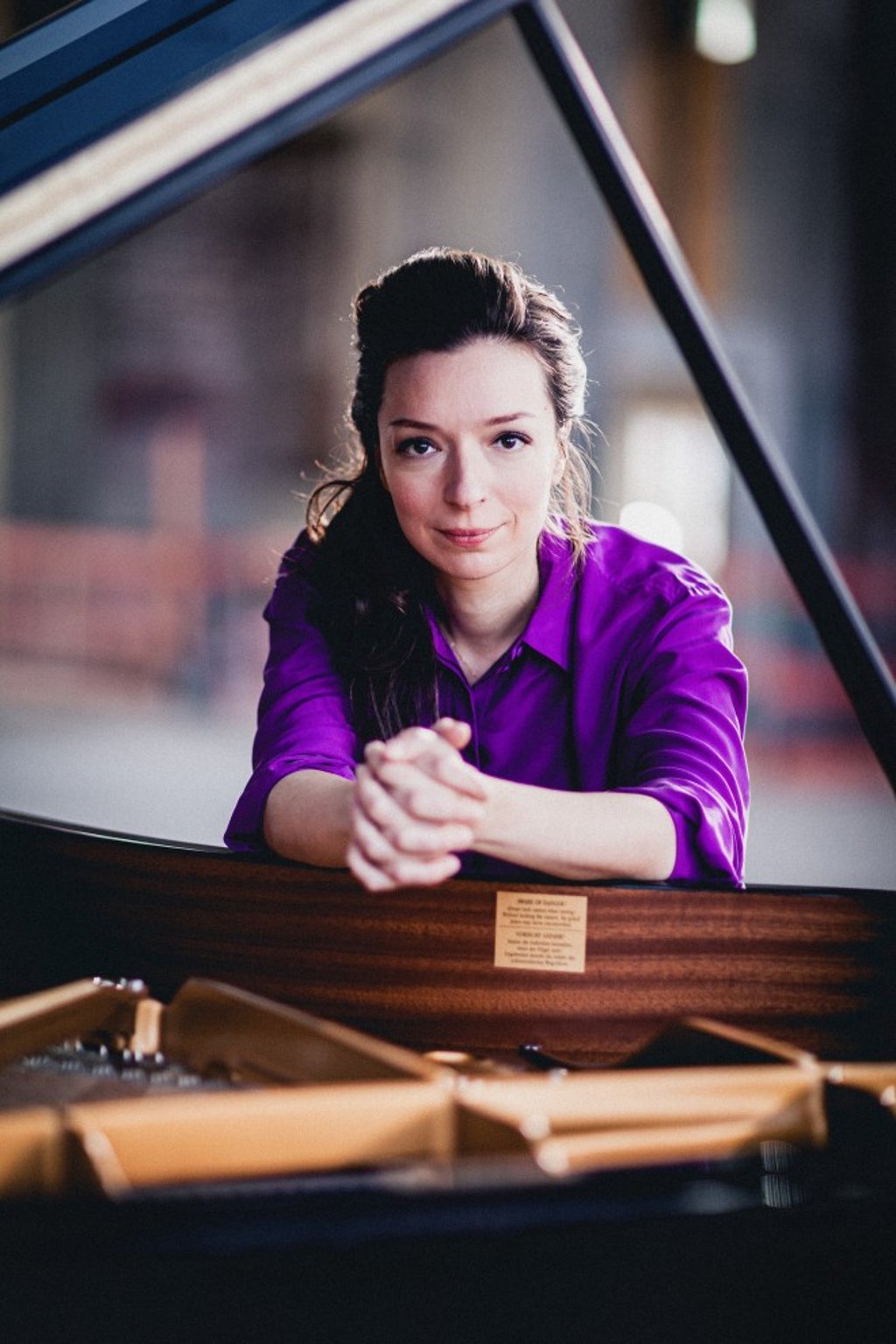
Yulianna Avdeeva’s affinity for Russian repertoire gives her natural authority in Rachmaninov’s Second Concerto, one of the most beloved works in the piano repertoire. With its tolling opening chords that unfold into melodies of sweeping lyricism, the concerto marked the return of Rachmaninov’s creative voice after years of silence. Its emotional directness continues to draw audiences in.
The programme then turns to Shostakovich’s Symphony No. 10 in E minor, completed in 1953 in the uneasy aftermath of Stalin’s death – a vast, searching work that moves from brooding tension to a hard-won assertion of the composer’s identity.
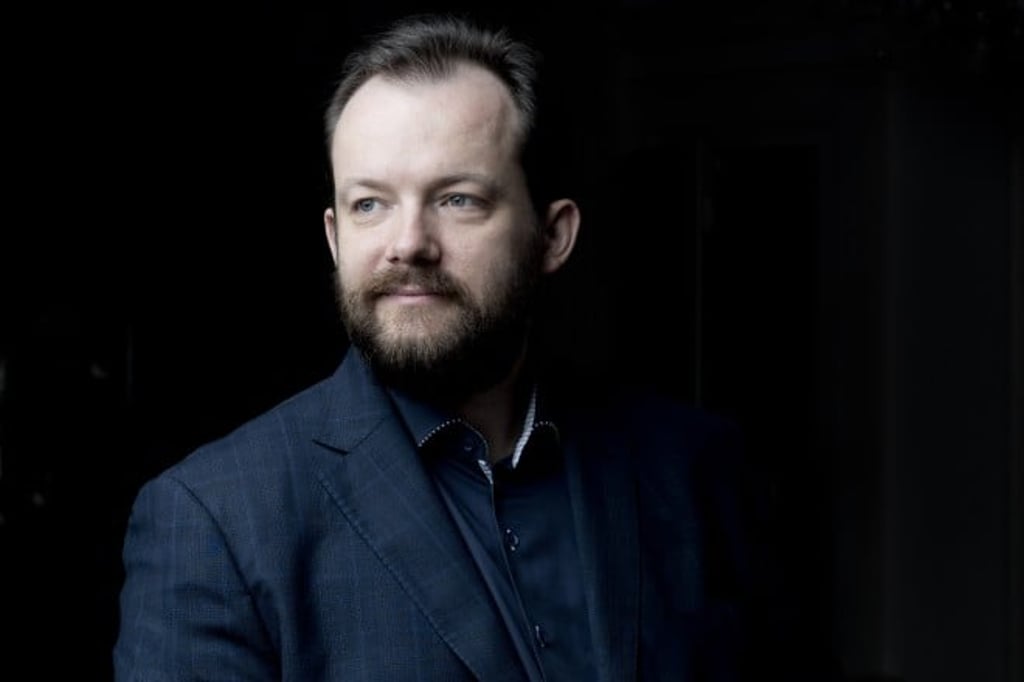
Across two evenings, these four landmark works chart the evolution of the concerto and symphony from Beethoven’s expansion of form, through Schumann’s romantic imagination, to Rachmaninov’s lyric breadth and Shostakovich’s 20th-century reckoning. The Gewandhausorchester played a direct role in launching some of these works; in others, it has helped sustain and reinterpret them within a tradition that began in Leipzig and expanded far beyond it. The orchestra that once premiered Beethoven now brings the same discipline and architectural clarity to the vast canvases of Shostakovich.
Advertisement
In June, Hong Kong becomes part of that long, ongoing story.
—Thomas May
Advertisement
Don't Miss:
-
Italian voters reject judicial reform in a setback for PM Giorgia Meloni
-
Iran built a camera network to control dissent, Israel made it a targeting tool
-
What if US ground forces march into Iran? Chinese experts weigh the risks
-
Hong Kong raises Iran, Israel travel alerts to black, expands amber warning
-
Non-local pupils could face HK$350,000 in fees at Hong Kong semi-private schools