
 London’s Indian art summer ends in the Serpentine’s pitch-black gallery
 With the new shift in the U.S. Congress, time is running out on bills targeting drug patents
 Why China’s Election Interference Falls Short in Taiwan
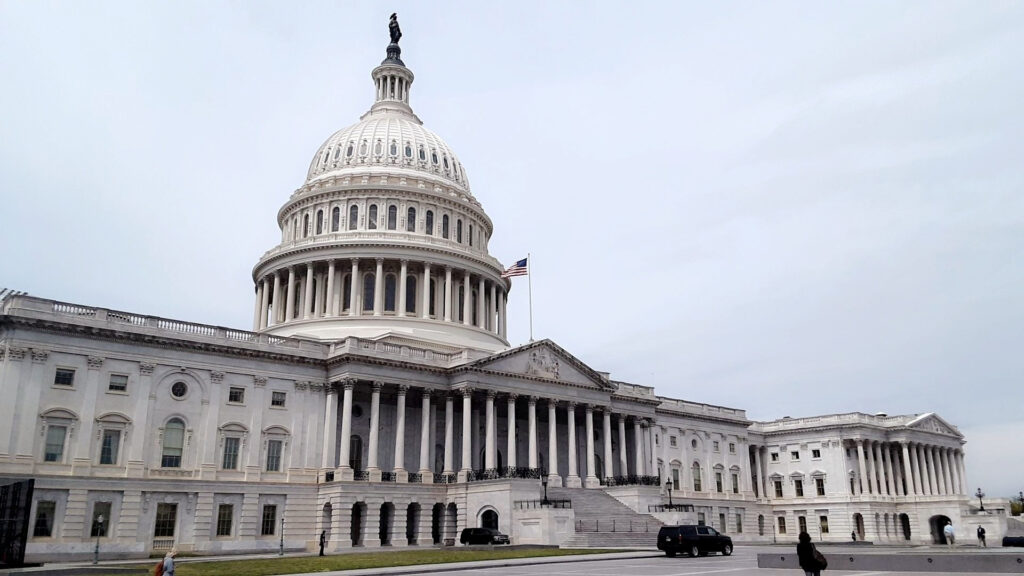
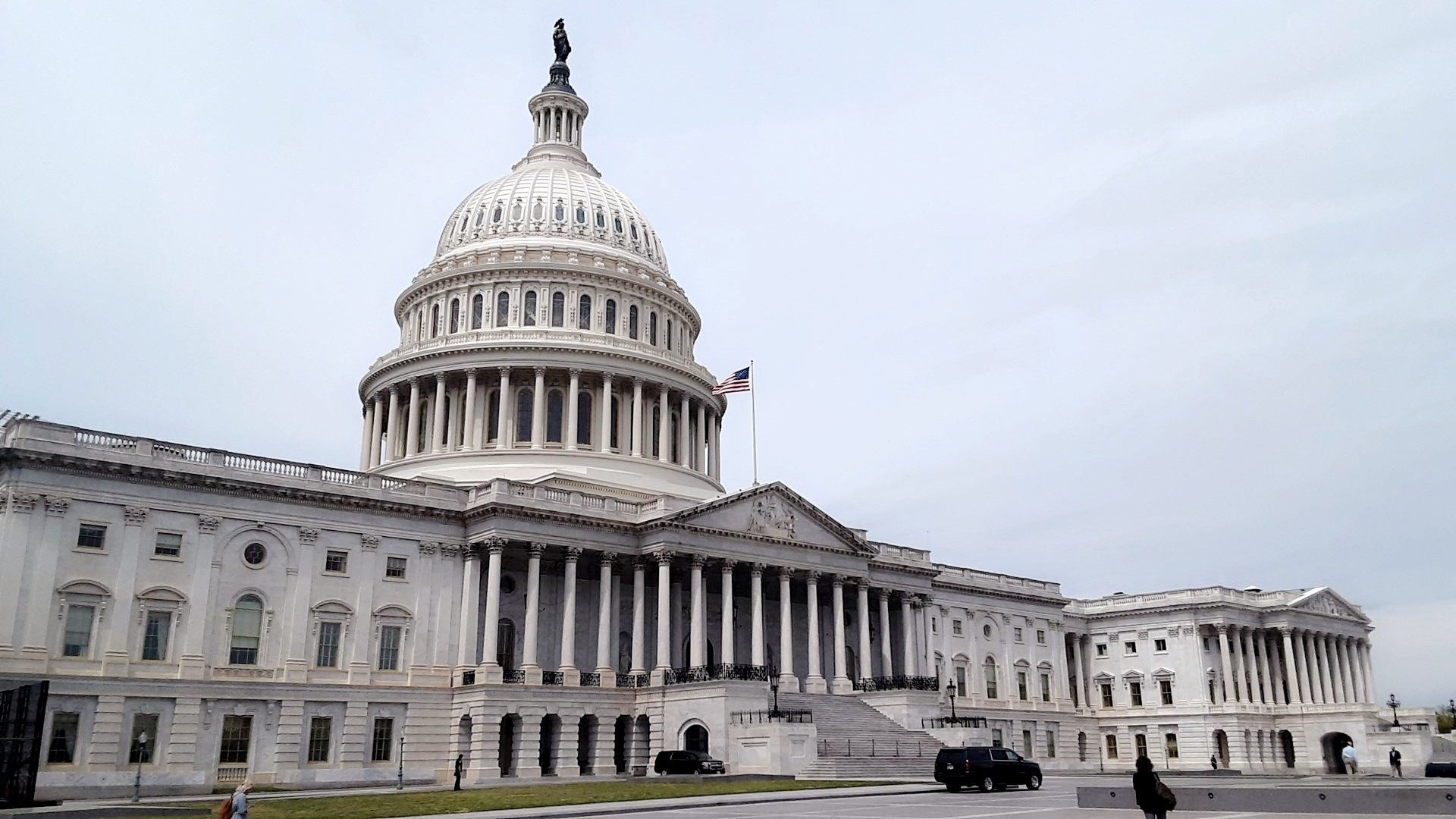
U.S. lawmakers are facing a time crunch to pass a group of bipartisan bills targeting drug patents – laws that risk losing critical ground if not passed by the end of the year.
The bipartisan measures aim to stop drugmakers from using patents to delay cheaper competition, and legislators would be forced to start many from scratch if they fail to become law before the new Congress takes over in January.
The bills address some of the industry tactics ICIJ exposed in Cancer Calculus, a year-long investigation that explored the price and impact of Merck & Co’s lifesaving anti-cancer drug Keytruda.
Among the at least nine bills, the ETHIC Act would limit the number of related patents a company can use when it sues a rival over a cheaper version of its drug. The Drug Competition Enhancement Act would stop companies from steering patients to slightly altered versions of a drug just to extend its patent protection. Another bill would require companies to give the Food and Drug Administration and the U.S. patent office consistent information about a product.
With several of the bills’ sponsors about to leave office, the future of the bills may hinge on what happens in the next two months. While supporters hope some will get added to a year-end health package that analysts are expecting, the rest would have to be reintroduced and repeat passing through committees and votes, all under a Democratic majority with a packed health agenda.
Supporters of the measures say they would get cheaper drugs to patients sooner. Industry groups, including the U.S. Chamber of Commerce, are pushing back and argue that the bills would weaken patent rights and discourage innovation.
The industry’s influence looms large, says Rep. Lloyd Doggett, a Texas Democrat who co-sponsors the ETHIC Act and is retiring when his term ends in January. “Big Pharma’s tentacles continue to have a stranglehold over Congress, buying the Republicans and obtaining a long-term lease on some Democrats,” he said in a statement to ICIJ. “This Congress is not going to adopt any significant legislation that Big Pharma opposes. Whether a Democratic Congress will be any better remains to be seen.”
Neither the Pharmaceutical Research and Manufacturers of America, known as PhRMA and the industry’s leading lobbying group, nor the U.S. Chamber of Commerce responded to requests for comment. PhRMA’s lobbying reports list many of the bills among the issues it has lobbied on. The trade group reported spending about $38 million on lobbying last year and more than $19 million in the first half of this year, according to lobbying reports filed with Congress.
Reporters for Cancer Calculus found that Merck and other cancer research businesses built a fortress of patents around Keytruda — the world’s best-selling drug — that could extend its monopoly through at least 2042, 14 years after its main patent expired.
Meanwhile, the drug’s prices before any discounts ranged from more than $80,000 a year in Germany to as much as $208,000 in the U.S., and many patients around the world can’t afford it.
Earlier this year, Merck told ICIJ and its media partners that it is a “common myth” that companies use many patents to block competition. Merck also said that more patents do not determine when generics or biosimilars enter the market.
Those claims might soon be tested in the United States, where Merck holds dozens of active Keytruda patents. In October, the drugmakers behind the first publicly announced U.S. application for a Keytruda biosimilar said in a press release that the FDA had accepted it for review. ICIJ found at least 11 other companies, including some in China, India and Russia, that have registered trials of their own versions with the U.S. clinical trials registry since 2023.
Big Pharma’s tentacles continue to have a stranglehold over Congress.
—Rep. Lloyd Doggett, co-sponsor of the ETHIC Act
Outside the U.S., a few biosimilars are already on sale or approved in smaller markets. In Argentina, where until this year the law made it hard to win extra patents on later changes to a drug, a local company launched a biosimilar last year at a price 56% below Merck’s. Merck then cut Keytruda’s price there by about half.
Separately, last month a Dutch court barred Merck from selling its new injectable version of the drug in eight European countries after finding it infringed a patent held by Halozyme, a biotech company that says the shot uses its technology for delivering drugs under the skin. Halozyme has also sued Merck in the U.S., and that case is pending. The U.S. patent office is reviewing the patents at issue, and so far it has sided with Merck on several of them. Halozyme has appealed some of those rulings. Merck didn’t respond to ICIJ’s request for comment.
Among the legislation being considered in Congress, the ETHIC Act has drawn some of the sharpest opposition. Sponsored by Rep. Jodey Arrington, R-Texas, and Sens. Peter Welch, D-Vt.; Josh Hawley, R-Mo.; and Amy Klobuchar, D-Minn., the bill takes on drugs protected by dozens of closely related patents. Once a drug’s patent protections have expired, other companies can try to sell cheaper copies of the drugs. But the maker of the original drug can still sue over its patents; supporters of the measure say that when manufacturers hold dozens of patents for the same drug, challenging them all can be slow and costly for the rival.
S. Sean Tu, a University of Alabama law professor who studies drug patents and backs the proposal, estimates that if a similar law had been in place from 2010 to 2023, drugmakers that sued rivals over their cheaper versions of a drug could have sued over only about half as many patents. For example, Humira, a drug used to treat autoimmune conditions, was protected by at least 105 patents held by its maker, AbbVie. Under the bill, Tu found, AbbVie could have sued over no more than 24 of its patents.
“A patent suit that deals with one or two patents is very different from a patent suit that deals with 30 or 40,” Tu told ICIJ. “Each patent adds a lot of expense for the generic.”
In June, the U.S. Chamber of Commerce wrote in a letter to Senate leaders opposing the ETHIC Act that the bill “is predicated on faulty and misleading narratives.” And the Council for Innovation Promotion, a patent-policy group, has argued that the bill “would weaken patent rights” and that related patents are a normal result of ongoing research, not gamesmanship. The legislation has not had a committee vote.
Other similar bills have moved further, however. The Drug Competition Enhancement Act would stop companies from shifting patients to a slightly changed version of a drug to hold off cheaper rivals. The Senate Judiciary Committee has advanced it, but it has not had a floor vote. Another proposed legislation, the Medication Affordability and Patent Integrity Act, would require drugmakers to describe a drug the same way to the FDA and the U.S. patent office. Supporters say companies sometimes tell the FDA a drug is safe and proven to avoid costly trials, then tell the patent office it’s new to win a patent. The bill cleared the Senate health committee in June. The Chamber of Commerce has called the bill “a solution in search of a problem” while other opponents say there is no evidence of widespread conflicting statements to the two agencies.
A third bill would make it easier for pharmacists to give patients a cheaper version of a biologic drug (medicines made from living cells that are often costly) in place of the brand-name drug their doctor prescribed. The bill has been approved by committees in both chambers.
The measure that has moved furthest may do the least, though, Tu says. The Affordable Prescriptions for Patients Act, led by Sen. John Cornyn, R-Texas, would limit to 20 the number of patents a drugmaker can use to sue a rival over a cheaper version of one of its biologic drugs. It passed the Senate but has sat in the House since July. Tu says that it has so many exceptions and limits that it would apply to only a handful of drugs–Keytruda among them–and that the industry likes it “because it does nothing.”
In a statement to ICIJ, Cornyn’s office called that criticism “incorrect and short-sighted,” saying the bill is aimed at biologic drugs because that’s where drugmakers pile up the most patents.
The bills now enter the final weeks of this Congress after an election in which Democrats won both chambers and the cost of healthcare was a top concern for voters.
Merith Basey, CEO of the advocacy group Patients For Affordable Drugs, said there is “overwhelming bipartisan support” for reforms, including measures that boost competition and “crack down on pharma’s abuse of the patent system.”
“Policymakers have an urgent responsibility to act — patients cannot wait,” Basey said.
Efforts are underway to pass some bills on patents and drug pricing in a health package before the new Congress takes over, said Tahir Amin, founder of I-MAK, a nonprofit that examines inequities in the patent system and provided data for ICIJ’s Cancer Calculus analysis. If current efforts fail, advocates are looking to the next Congress. Any significant reform, however, Amin said, “will require bold leadership from the Democrats and a break from the politics as usual if we are to rein in patent abuse.”
Contributing reporter: Sydney P. Freedberg.