
 Indian Gond tribal artist hits surprise $2.15m record at Pundole
  On IMDB’s China connection, school shootings, Chinese aid to Southeast Asia and other stories | Asia Sentinel Stories of the Week
  Wile E. Coyote Gets His Day in Court at the American Museum of Tort Law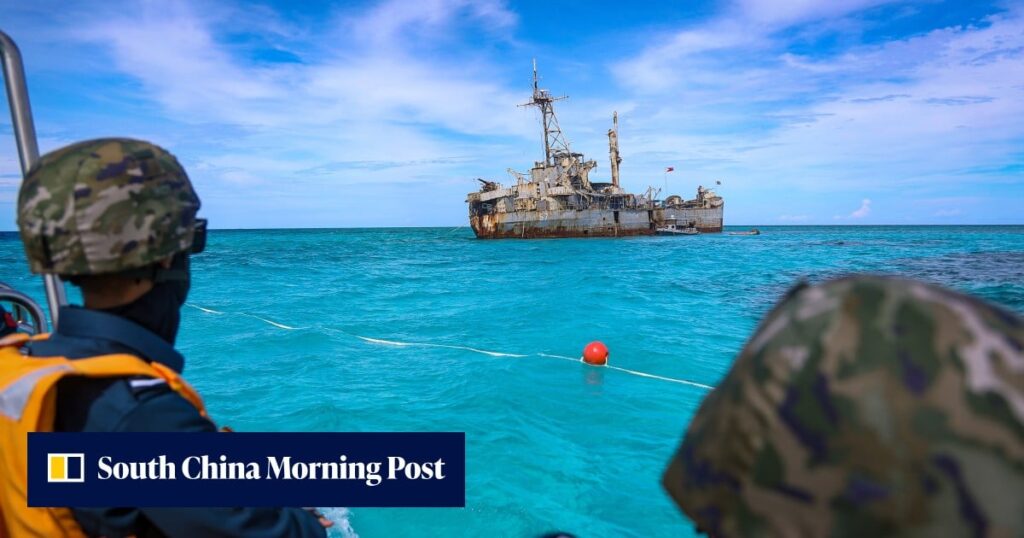
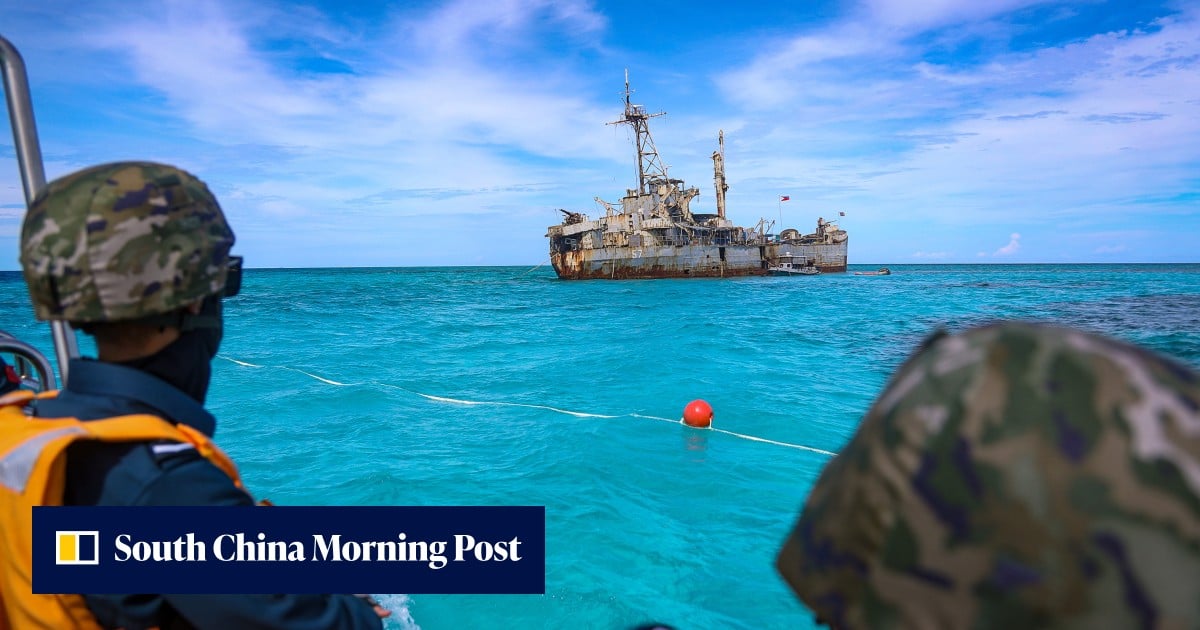
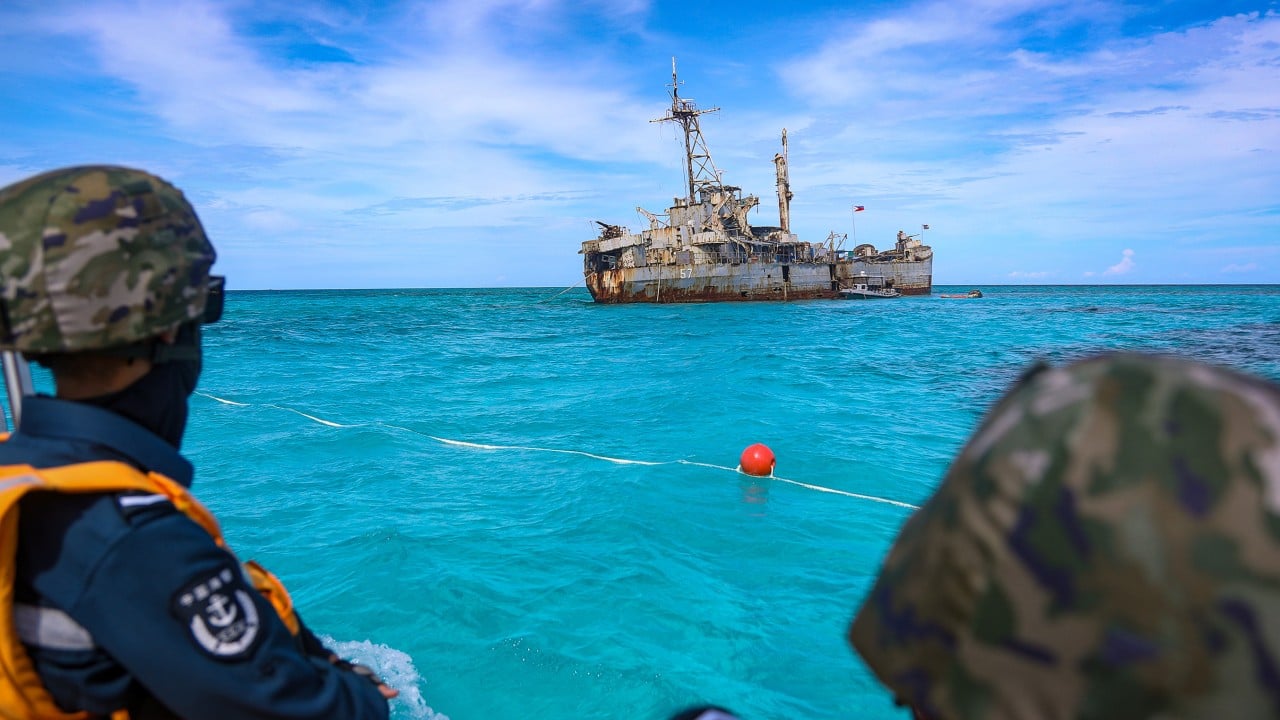
Southeast Asia is welcoming the thaw in US-China ties continuing after the Xi-Trump summit, with analysts saying the region could feel less pressure alongside fewer open frictions between the two over the South China Sea.
Yet, caution persists as the summit left deeper disputes unresolved.
“Stable great-power relations – competitive but with sturdy guardrails – will create more legroom for third countries to navigate an increasingly complex world,” according to Lucio Blanco Pitlo III, a research fellow at the Manila-based Asia Pacific Pathways to Progress Foundation.
Such stability, he said, could ease pressure on countries of the Association of Southeast Asian Nations (Asean) to pick a side, slow supply-chain disintegration and reduce the intensity of great-power competition in long-standing flashpoints like the Taiwan Strait and South China Sea.
Don't Miss:
-
Swiss reject tighter neutrality rules in referendum backed by right-wing populist party
-
Police arrest man, 34, over hidden cameras found in Hong Kong gym changing rooms
-
Afghanistan says 28 dead fighters came from Pakistan as Islamabad denies ties
-
UK police arrest 5 on terrorism charges near airbase used by US in Iran war
-
Hong Kong police hunt for man who stole HK$10,000 from claw machines using key