
 New documents show how a retail chain’s sales practices helped put guns on US streets
  Singapore a battleground of commodities fraud lawsuits
  From Propagandist to Criminal

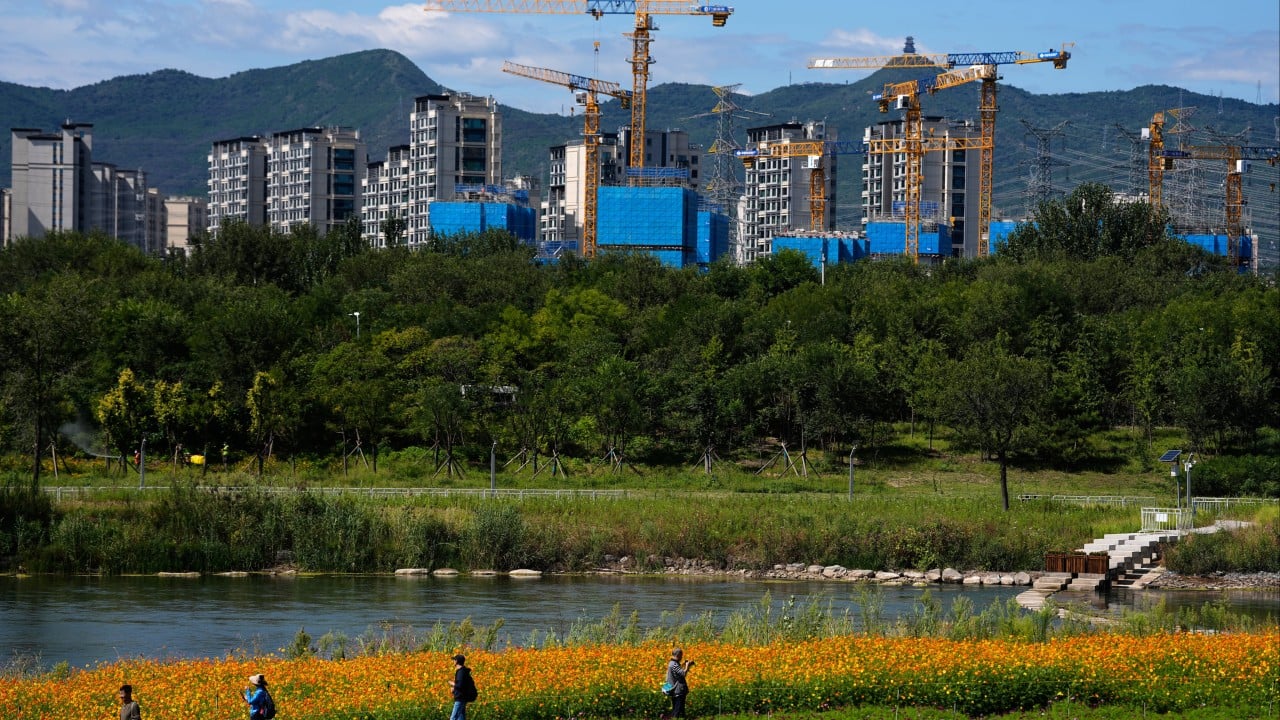
Official figures published by the National Bureau of Statistics in September reveal that secondary market home transactions have surpassed new residential builds in volume. Nationwide registered resales reached 549 million square metres, signalling that housing demand in China has not vanished. Rather, it appears to have structurally migrated.
This marks a departure from the previous growth model. For a quarter of a century, following the end of the old welfare housing system in 1998, China’s property market operated on a high-velocity loop: developers acquired municipal land, pre-sold unfinished apartments, collected buyer cash and funnelled those advances into their next projects. That mechanism turned residential construction into the primary economic engine of the country.
That engine is now losing momentum. What is emerging is not merely a smaller version of the old market but a different market altogether. The centre of gravity is shifting – from developers selling a promise of tomorrow to households trading the homes of today.
Don't Miss:
-
Former American Idol singer Caleb Flynn sentenced to life in prison for wife’s murder
-
Bogota mayor presses Chinese-led consortium for more metro workers as auditors flag delays
-
ICC unseals arrest warrants for 4 Taliban leaders wanted on gender persecution charges
-
Quebec votes in provincial election as separatist surge poses test for Canada’s PM Carney
-
“Here, We Confront Drug Traffickers Daily… And The U.S.?”