
 Manila’s EV ambitions confront economic and energy realities
  Tunisian court dismisses case to dissolve publisher of ICIJ partner Inkyfada
  Prabowo Faces Growing Discontent as Jokowi Revives His Political Ambitions
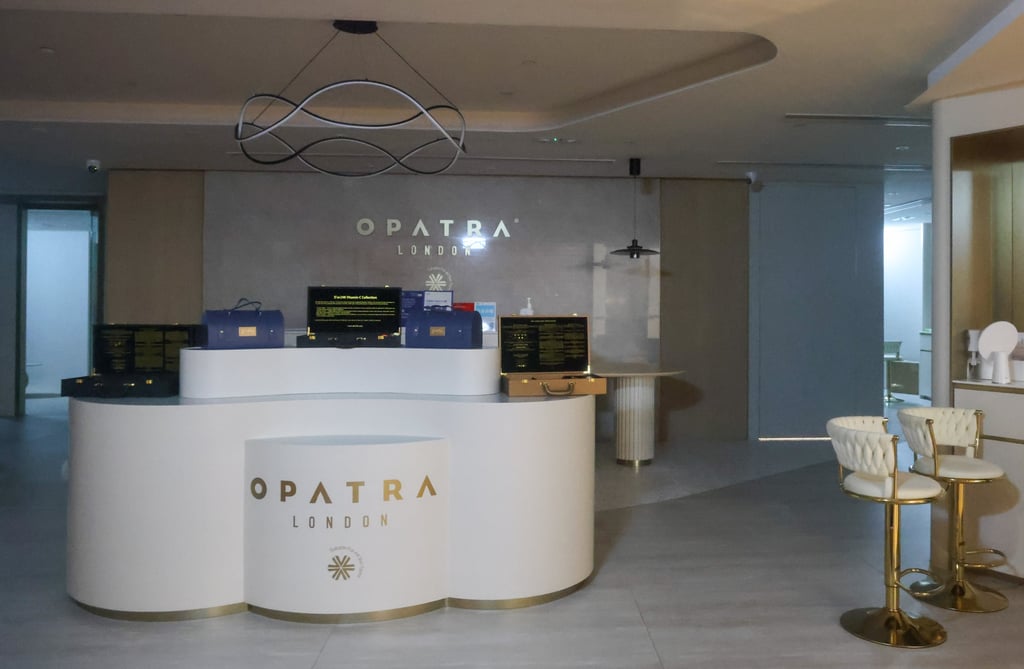
 From arrests linked to the Hong Kong operations of beauty chain Opatra London to a surge in online complaints against other skincare brands, high-pressure sales tactics remain widespread and continue to take a toll on consumers.
Why do such malpractices remain widespread despite the city’s Trade Descriptions Ordinance, which criminalises aggressive commercial practices that significantly impair a consumer’s freedom of choice?
The South China Morning Post spoke to legal experts about common hard-sell scenarios, how shoppers can protect themselves and where the legal line is drawn.
1. Paid to escape? You can still report it
Lawyers say sales encounters without any physical contact can still amount to an offence, as courts could rule that a consumer’s freedom of choice was “significantly impaired” in such scenarios.
“The question is whether the conduct as a whole amounted to harassment, coercion or undue influence that significantly impaired the consumer’s freedom of choice and caused the consumer to make a purchase that he or she would not otherwise have made,” commercial lawyer Kenix Yuen Pui-kwan told the SCMP.
Lawyer Eric Chan Pak-ho said “undue influence” under the law means exploiting one’s position of power over the consumer to apply pressure, without needing to use or threaten physical force.
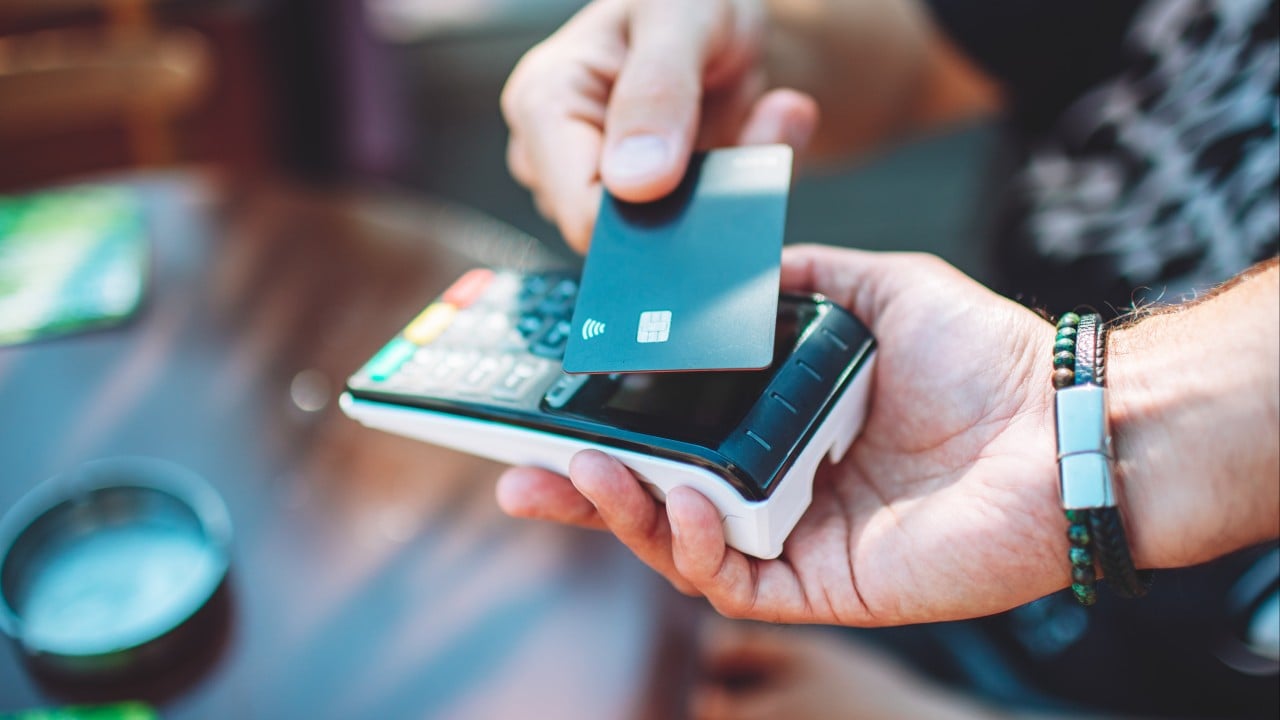
2. Card snatched or held? That’s likely an offence
Don't Miss:
-
Explosives Workshop Raided after Shootout in Balleza, Chihuahua
-
The Eccentric Extravagances of “Captain Sol”: 12 Properties, a Penthouse in Tulum, and Casino Spending
-
Fight at Mazatlán Prison Leaves 10 Dead: A 2-Year-Old Boy Died During a Family Visit
-
Veracruz Mafia vs. CJNG: The Fight for Veracruz
-
Former Michoacán Official Used AI for Extortion: Here’s How They Cloned the Voices of Politicians and Ministers