
 When Great Powers Talk, Who Speaks for Asia
  About the China Capital investigation
  Frequently asked questions about the China Capital investigation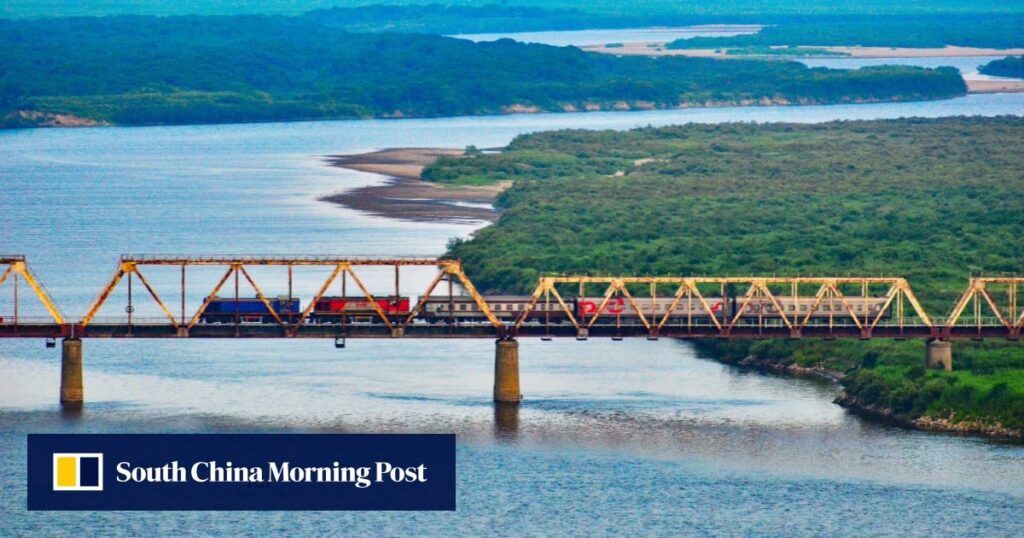
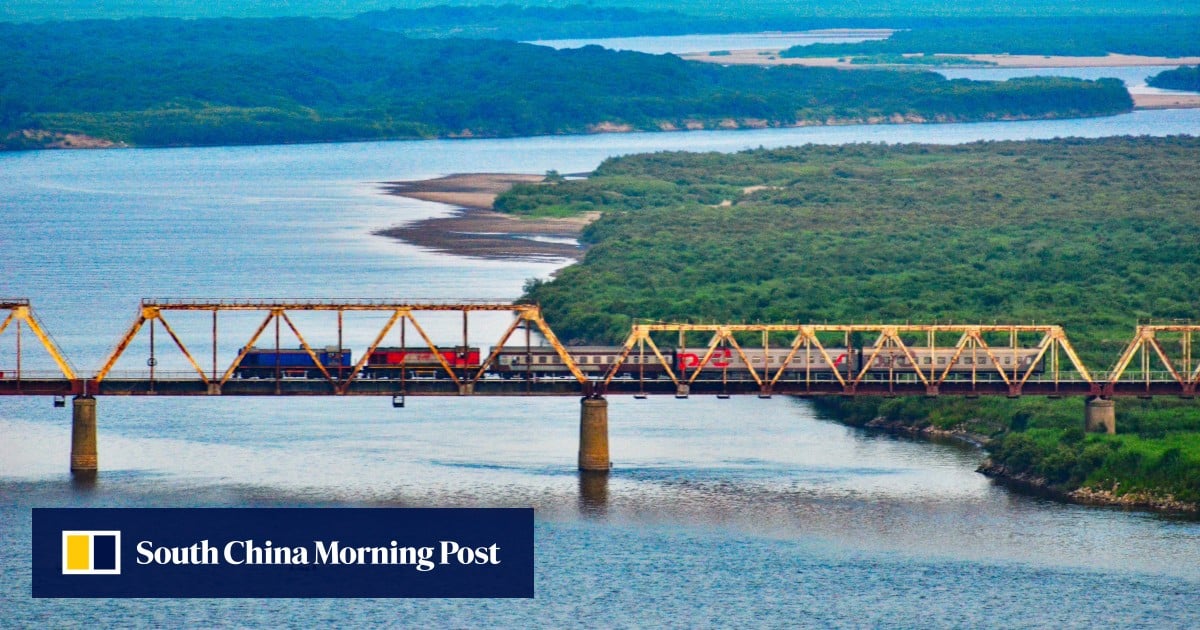
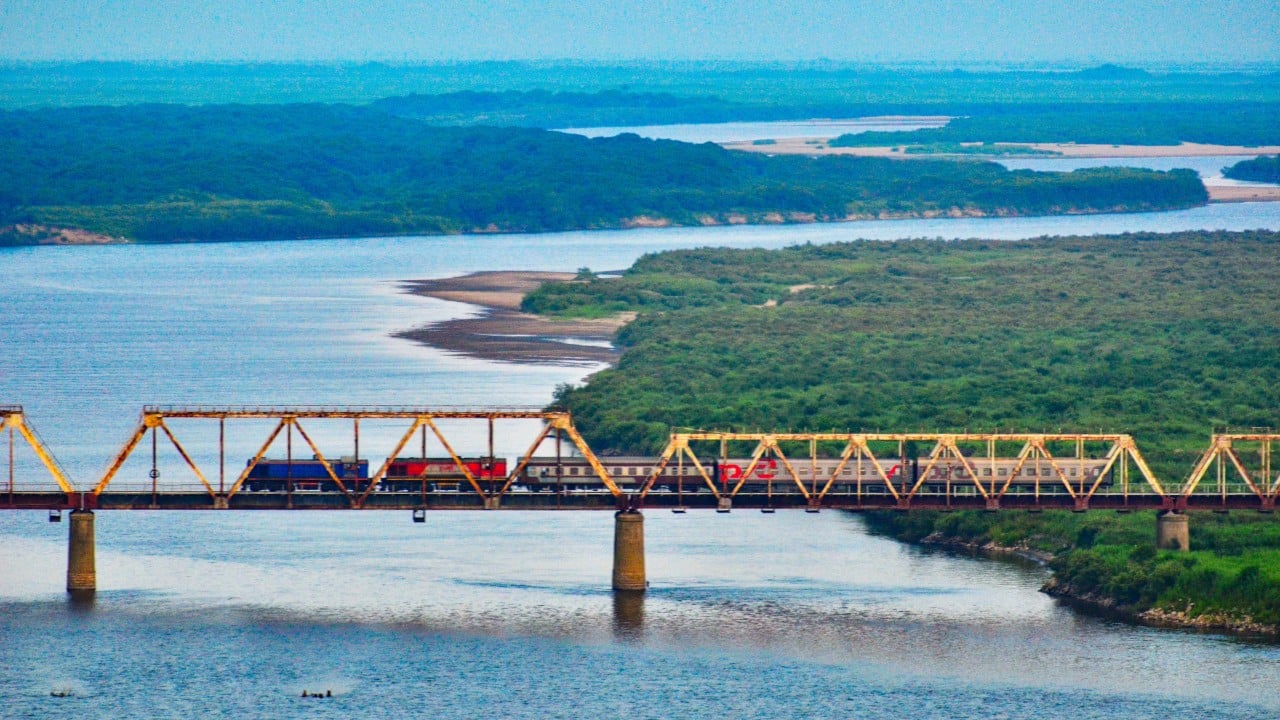
The river is a natural border between China, North Korea and Russia, and a narrow strip of it that runs between North Korea and Russia blocks Chinese access to open waters.
Beijing has long tried to convince its two neighbours to open the waterway to Chinese traffic and just last month there were small positive signs from Moscow.
Advertisement
But the silence in the statements after this week’s summit points to continued wariness in the North Korean and Russian capitals of Beijing’s influence in the region, analysts say.
Since ceding territory that includes Primorsky Krai to the Russian empire in 1860, Beijing has tried to pursue direct access to the Sea of Japan via the Tumen River, which is called Duman or Tuman River in the Koreas.
Advertisement
Don't Miss:
-
China urges ‘constructive dialogue’ with EU in high-level call with France
-
Hong Kong airport builds third runway with strategy to help marine environment thrive
-
Cambodia, Thailand take US$300 billion seabed dispute to UN
-
Hong Kong visitor arrivals hit post-pandemic monthly high in August
-
Indonesian finance minister found out about his firing in mid-meeting phone call