
 Rick Claypool on Pay to Play Corporate Crime Enforcement
  Labaton Launches Whistleblower Practice with Former SEC Acting Chair Allison Herren Lee
  Kremlin payment firm A7 has been pumping billions in ‘untraceable’ cash into global financial system
 On October 16, 1846, the American dentist William T.G. Morton successfully demonstrated the use of inhaled ether anaesthesia at Massachusetts General Hospital in Boston, an event widely considered a turning point in modern surgery.
But this record may have to be rewritten after new evidence emerged that in the 14th century AD, Chinese surgeons were making their own anaesthetics from plants.
Their use had previously been recorded in ancient Chinese texts, but now the first physical evidence confirming this has been found.
Advertisement
The paper was published on Tuesday in the peer-reviewed journal Antiquity.
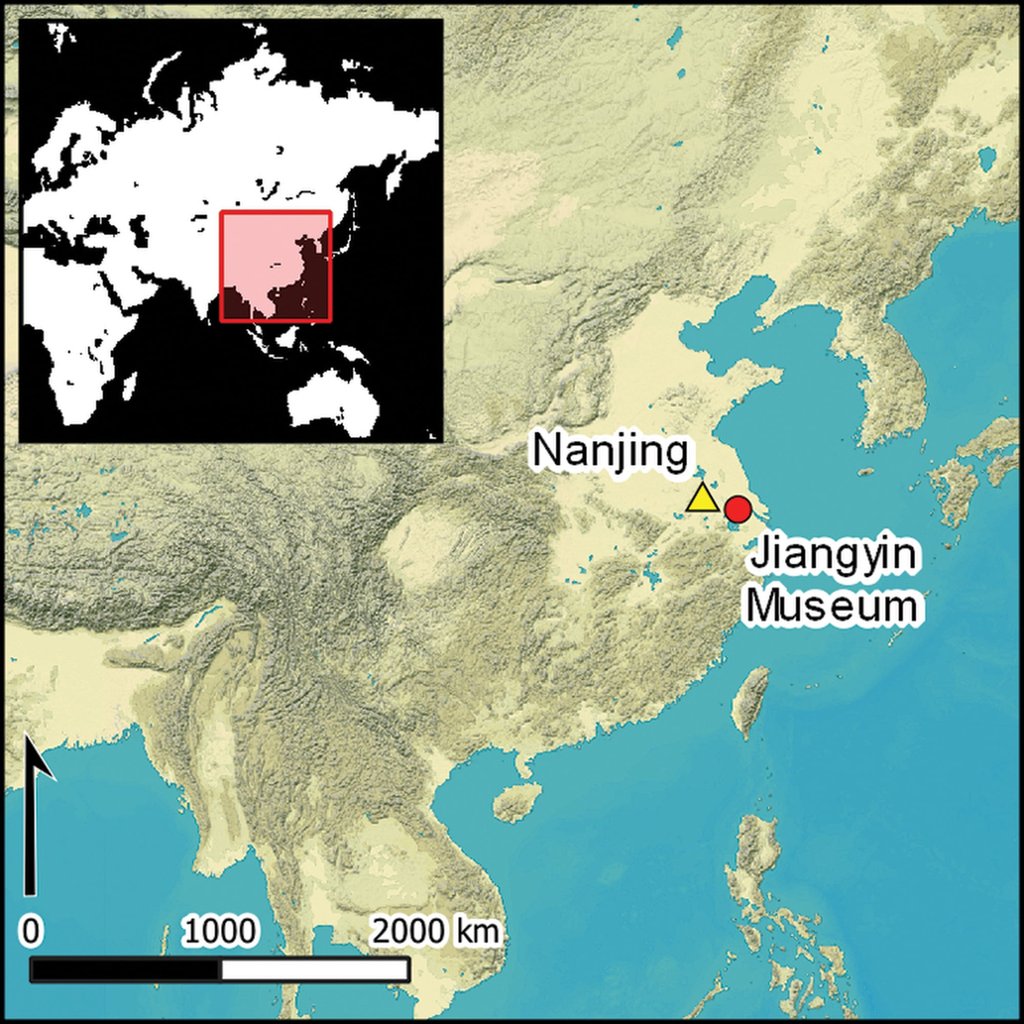
Evidence for the study came from an ancient tomb in Jiangyin in China’s eastern Jiangsu province, belonging to the famous traditional Chinese medicine surgeon Xia Quan.
Advertisement
Don't Miss:
-
A Total of 13 Mass Graves Have Been Found in Viesca Containing the Charred Remains of Men and Women
-
Jorge Luis Zambrano, alias “Rasquiña”
-
El Taliban Fell In Mazatlán… And What He Confessed Ties Everything Together
-
Inside the Camp at the Heart of Honduras’ Garífuna Land Struggle
-
This Is How the MataZetas Captured and Executed the Zetas