
 Rick Claypool on Pay to Play Corporate Crime Enforcement
  Labaton Launches Whistleblower Practice with Former SEC Acting Chair Allison Herren Lee
  Kremlin payment firm A7 has been pumping billions in ‘untraceable’ cash into global financial system
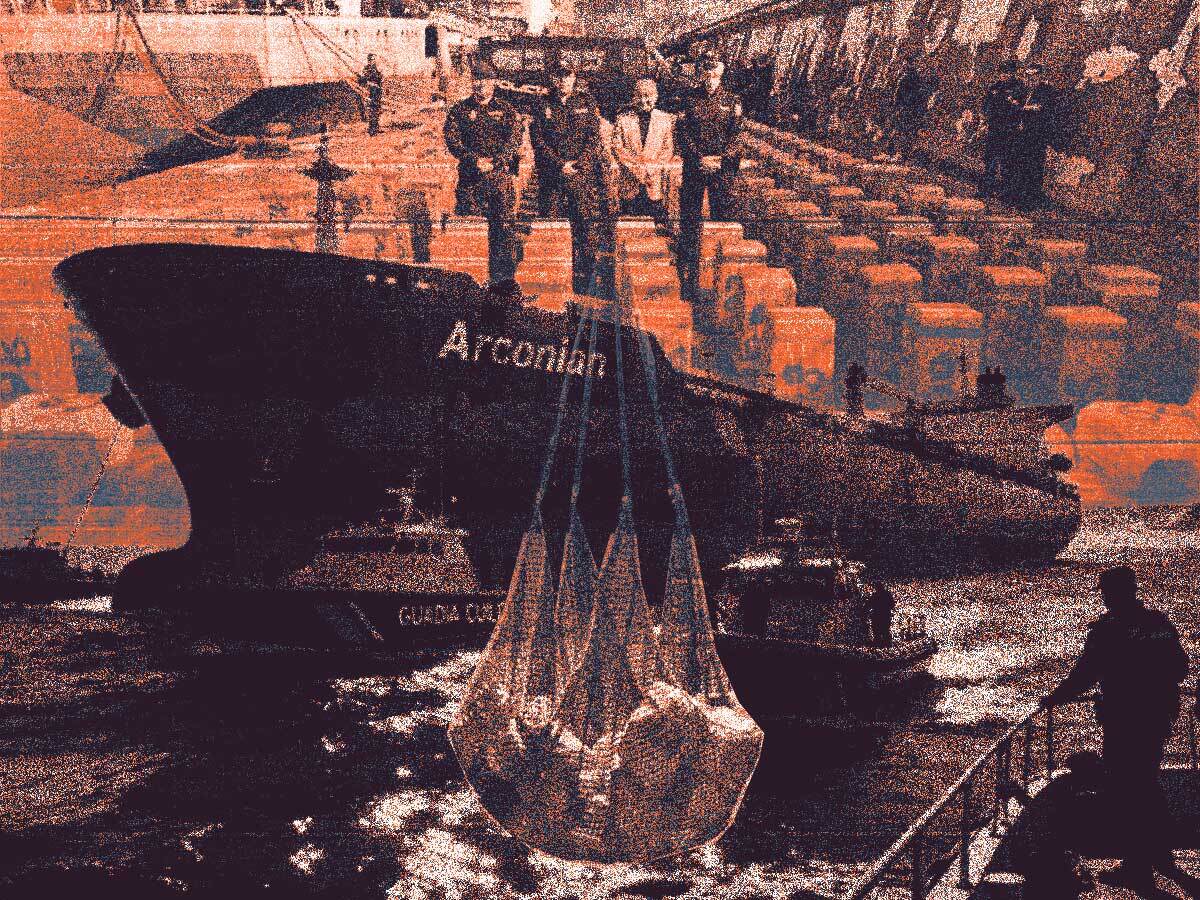
Spanish authorities made the largest cocaine seizure in history in Atlantic waters south of the Canary Islands in early May.
More than 30 metric tons of cocaine were aboard the ship the Arconian when it was intercepted after departing from Sierra Leone in West Africa. Authorities also found 42,000 liters of gasoline intended to refuel go-fast boats that would have been used to unload the shipment on the Iberian Peninsula.
The increase in seizures of massive cocaine shipments is partly explained by the continued rise in cocaine production in countries like Colombia, which was reportedly the origin of this shipment, according to sources cited by El Tiempo, as well as growing demand for the drug in Europe.
But beyond its massive size, the seizure illustrates some of the most notable recent changes in the cocaine supply chain.
1. A Constellation of Criminal Actors and Massive Shipments
A closer look at those allegedly involved in organizing this cocaine shipment reveals a highly fragmented supply chain.
Authorities have linked the shipment to the “Mocro Maffia,” an umbrella term referring to a complex network of criminal clans and structures based in the Netherlands. Some of these groups, like other European criminal organizations, have recently expanded their presence in Latin America so they can negotiate drug shipments directly with suppliers.
In Colombia, securing a supply of cocaine requires connections with one of the armed groups that currently control coca cultivation, cocaine production laboratories, and drug trafficking routes leading to export points. As a result, the presence in Latin America of emissaries from European organizations and brokers, the intermediaries who serve as bridges with these groups, has become increasingly common.
SEE ALSO: Dollarino and the Rise of Brokers in the Cocaine Pipeline to Europe
Other criminal actors have specialized in providing logistical services, such as storing and transporting cocaine locally and internationally. Moving more than 30 metric tons of cocaine from Colombia to West Africa and later to Europe likely involved several such networks using various routes and methods along the way.
Such a massive quantity of cocaine also points to a shared shipment involving multiple buyers who would later distribute the drugs across Europe. In 2023, Spanish authorities detected the participation of as many as 30 different organizations in a 9.5-ton cocaine shipment seized at the port of Algeciras, in southern Spain. This shows how fragmentation within the supply chain has not resulted in smaller, more dispersed shipments. On the contrary, different criminal groups appear to be consolidating resources and routes to move increasingly large volumes of cocaine.
2. West Africa as a Major Transit Hub
Moving a 30-metric-ton cocaine shipment requires complete confidence in both the route and the transportation methods being used. In this case, the Arconian left the coast of Sierra Leone in West Africa.
The role of this region as a transit point for Latin American cocaine heading to Europe has grown dramatically since 2019. But Sierra Leone did not attract major international attention until early 2025, when authorities detected the presence of one of the most important figures in transnational drug trafficking in the country.
Dutch drug trafficker Jos Leijdekkers, alias “Bolle Jos,” allegedly moved to Sierra Leone in 2024, where he reportedly began a relationship with the daughter of President Julius Maada Bio. Bolle Jos was sentenced in absentia to 24 years in prison by a Dutch court that same year for his role in drug trafficking operations and an attempted murder.
Despite efforts by the Netherlands to extradite him, Bolle Jos remains in Sierra Leone. Spanish authorities have linked him to the Arconian shipment, according to sources consulted by El País.
3. Ports Are No Longer Essential
In addition to the more than 30 metric tons of cocaine, Spanish authorities found large quantities of fuel aboard the Arconian. The vessel was allegedly planning to refuel go-fast boats at sea, which would then transport the cocaine to shore.
Increased law enforcement pressure on the major European ports that traditionally receive large cocaine shipments, such as Rotterdam and Antwerp, has pushed criminal networks to find new ways to avoid these controls.
The use of go-fast boats to pick up shipments at sea or transport them across the ocean has become increasingly common.
SEE ALSO: What Hundreds of Narco Sub Seizures Tell Us About Global Cocaine Routes
In southern Spain, where this shipment was allegedly headed, the use of these high-speed vessels has allowed drug traffickers to move large quantities of cocaine inland through alternative routes to ports, such as the Guadalquivir River, fueling rising levels of violence.
“This comes with weapons, people protecting [the shipments], and more violence tied to the use of these vessels,” Lucas Lavilla, provincial secretary of the Unified Association of Civil Guards in Spain’s Huelva province, told InSight Crime.
In this region, two civil guards died in early May during a chase involving a go-fast boat.
Don't Miss:
-
A Total of 13 Mass Graves Have Been Found in Viesca Containing the Charred Remains of Men and Women
-
Jorge Luis Zambrano, alias “Rasquiña”
-
El Taliban Fell In Mazatlán… And What He Confessed Ties Everything Together
-
Inside the Camp at the Heart of Honduras’ Garífuna Land Struggle
-
This Is How the MataZetas Captured and Executed the Zetas