
 Rick Claypool on Pay to Play Corporate Crime Enforcement
  Labaton Launches Whistleblower Practice with Former SEC Acting Chair Allison Herren Lee
  Kremlin payment firm A7 has been pumping billions in ‘untraceable’ cash into global financial system
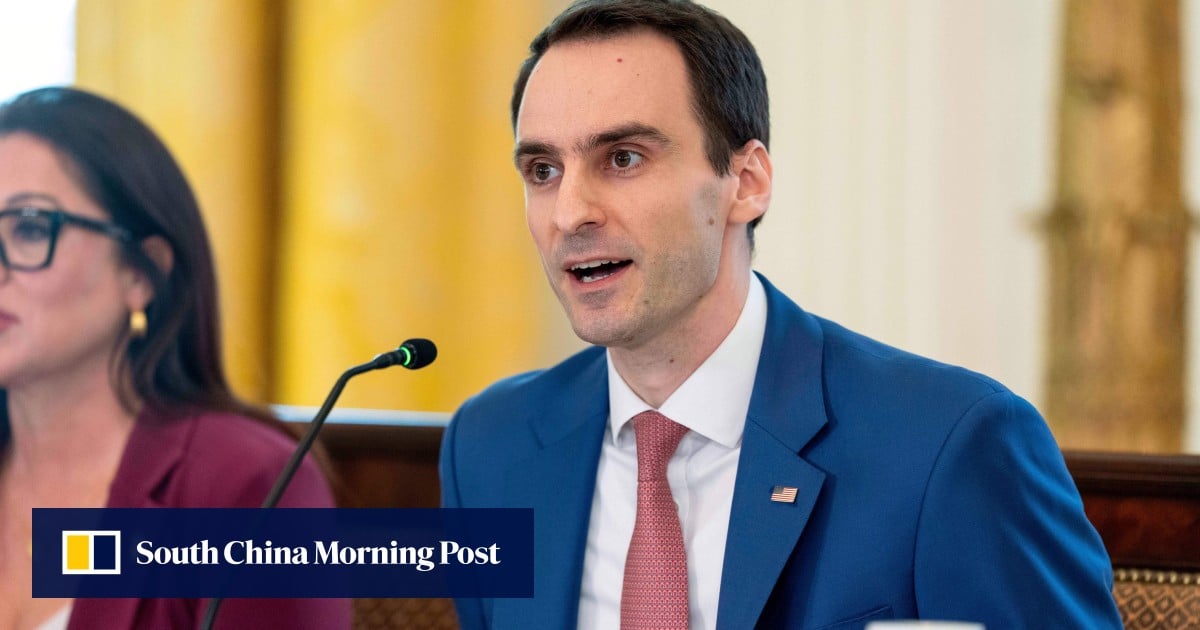
“China has always advocated that all parties jointly promote the development of artificial intelligence in an open, inclusive, beneficial and good-for-all direction,” he told reporters on Friday afternoon, after Air Force One had taken off from Beijing Capital International Airport.
Advertisement
The international community hoped that the US and China could reach a consensus on AI governance and strategic stability, Xiao Junyong, a professor at the Beijing Institute of Technology’s law school, wrote in an article published Wednesday by the state-run Beijing Review.
“Both the US and China lead in AI models, computing power, and ecosystems, yet share challenges like hallucinations, bias, misuse and cyberattacks. For high-impact AI systems, they can cooperate on safety, ethics, and deepfake governance.”
Advertisement
Don't Miss:
-
A Total of 13 Mass Graves Have Been Found in Viesca Containing the Charred Remains of Men and Women
-
Jorge Luis Zambrano, alias “Rasquiña”
-
El Taliban Fell In Mazatlán… And What He Confessed Ties Everything Together
-
Inside the Camp at the Heart of Honduras’ Garífuna Land Struggle
-
This Is How the MataZetas Captured and Executed the Zetas