
 Manila’s EV ambitions confront economic and energy realities
  Tunisian court dismisses case to dissolve publisher of ICIJ partner Inkyfada
  Prabowo Faces Growing Discontent as Jokowi Revives His Political Ambitions
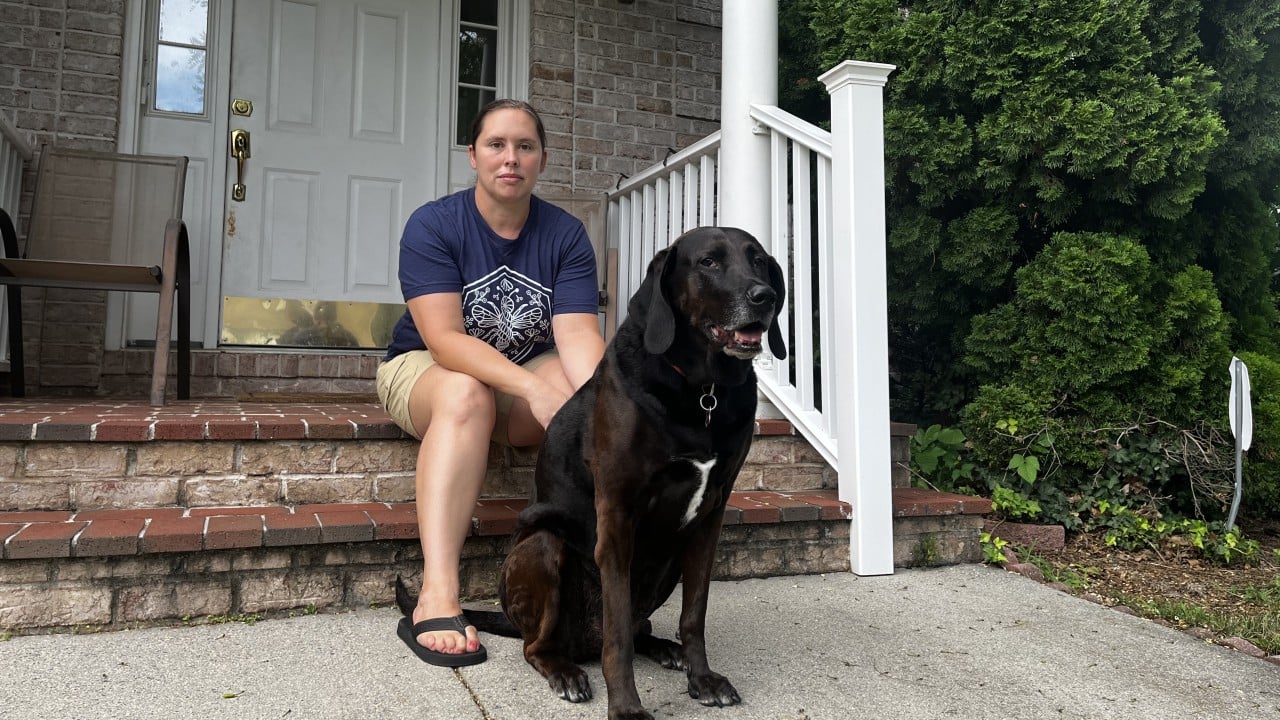
 On the tree-lined streets of Sterling, northern Virginia, Lindsay Shaw’s home sits across from an industrial neighbour that has consumed the past several years of her life: a data centre.
When Shaw sits outside, she can hear its constant hum. At night, the security lights blaze through her window, making it harder to sleep. Gas turbines, diesel fumes, and 24/7 industrial noise have choked Shaw’s neighbourhood since the data centre moved in.
“It’s not China telling us anything. It’s not Russia telling us anything,” Shaw said. “It’s truly living next to it is what it is.”
Shaw came to this view gradually. She did not initially oppose the project. Shaw and her husband had worked in cybersecurity and understood the need for data centres to power cloud infrastructure and artificial intelligence.
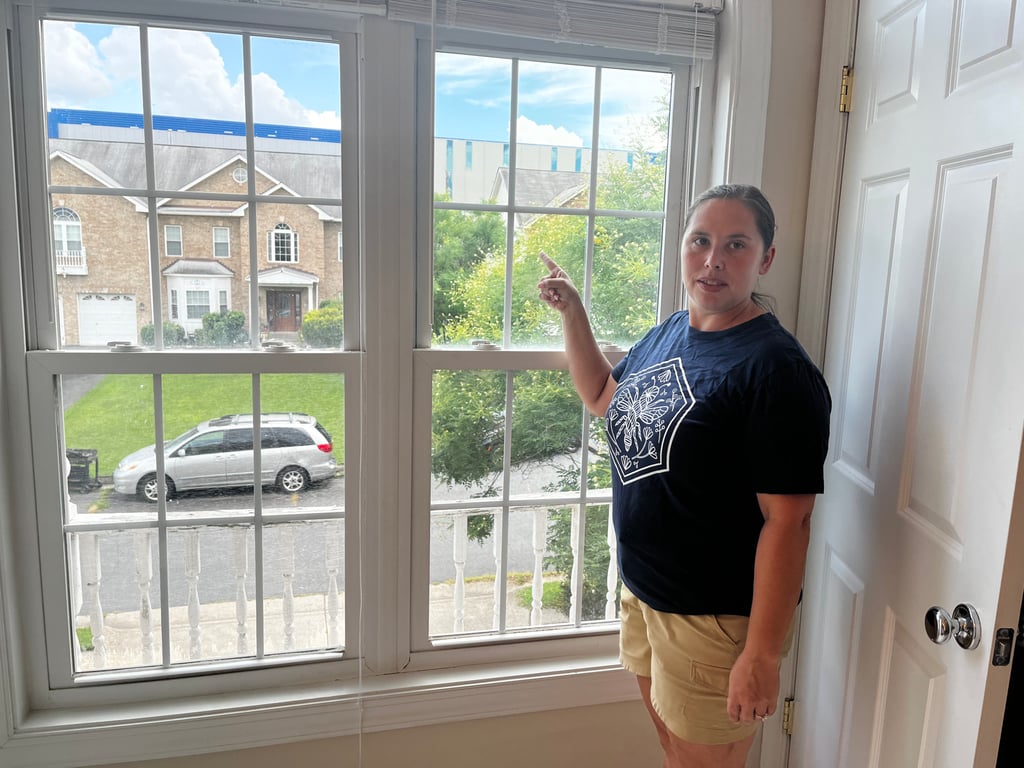
Their concerns only emerged after the facility was approved, when eight gas turbines were added to power it while it awaited a connection to the electrical grid – a process that can take years. It was not until it was up and running that the constant noise, occasional smoke and nightly lights came.
Don't Miss:
-
Fight at Mazatlán Prison Leaves 10 Dead: A 2-Year-Old Boy Died During a Family Visit
-
Veracruz Mafia vs. CJNG: The Fight for Veracruz
-
Former Michoacán Official Used AI for Extortion: Here’s How They Cloned the Voices of Politicians and Ministers
-
Two Years On, the Sinaloa Cartel War Changes Shape | The InSight Take
-
US wraps up military mission in Iraq, giving Baghdad room to strengthen China ties