
 How Hungary’s richest man funneled millions into Orbán’s propaganda machine
  How Real Is the US Withdrawal from the Middle East?
  From Iran to China: An Emerging Trans-Central Asian Corridor
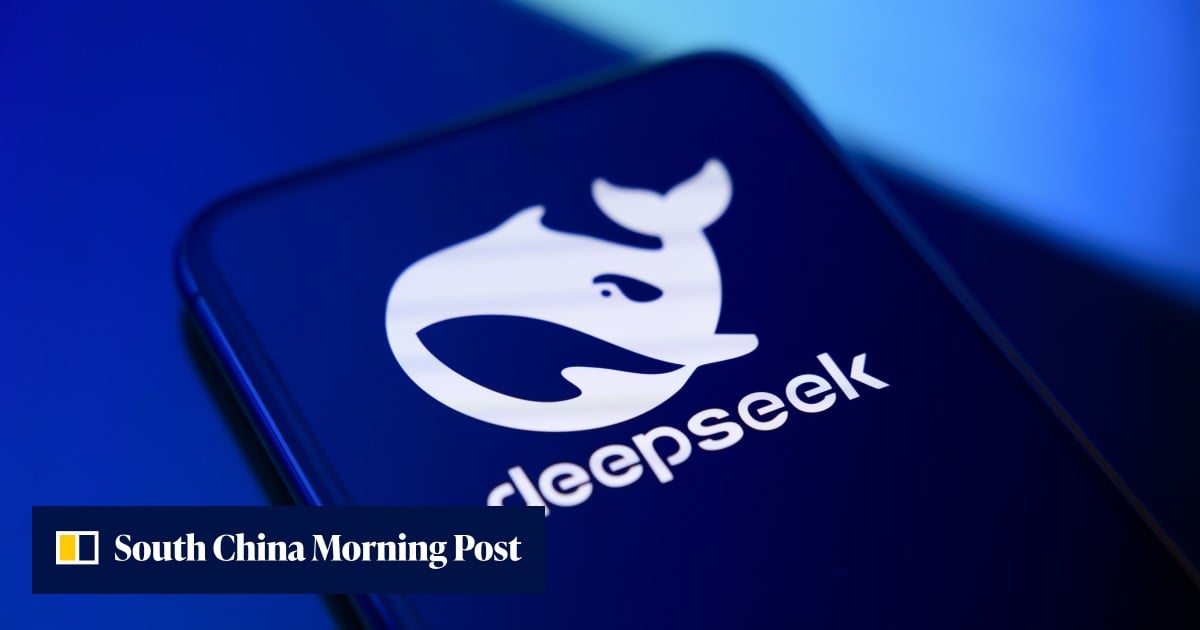
The United States may want the world to choose sides in the AI race with China, but in Africa, many businesses are pursuing a more pragmatic strategy: using Chinese models where they offer better value or flexibility, while keeping their options open.
For example, when African insurtech platform Curacel expanded the range of artificial intelligence (AI) models powering its internal infrastructure, it did not look only to Silicon Valley.
Henry Mascot, chief executive and co-founder of Curacel, said Chinese models delivered comparable results at lower cost on high-volume tasks such as coding, data extraction, classification and customer support, although Western systems remained stronger on the most demanding reasoning and reliability-sensitive work.
“In our experience, the leading Chinese models have closed much of the performance gap,” Mascot said.
He said Curacel’s multi-model set-up allowed it to use GLM-5.3 selectively.
“We can route suitable workloads to it based on quality and cost without moving the entire stack or locking ourselves into one vendor,” Mascot said. “We have also used lower-cost [Chinese] models within client deployments.”
Don't Miss:
-
US wraps up military mission in Iraq, giving Baghdad room to strengthen China ties
-
As China and the EU begin crunch trade talks, optimism is in short supply
-
Data centre opposition is growing in Australia. Is there a middle ground?
-
Helper arrested for allegedly slapping 5-year-old boy after he refuses to eat
-
Workers, mostly Indian, building US consulate in Milan agree to record settlement