
 New documents show how a retail chain’s sales practices helped put guns on US streets
  Singapore a battleground of commodities fraud lawsuits
  From Propagandist to Criminal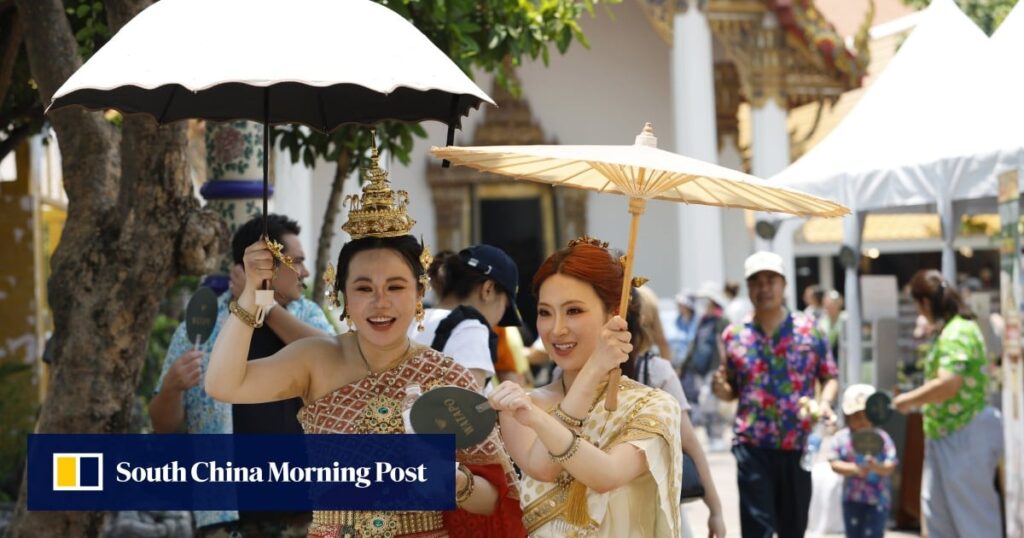
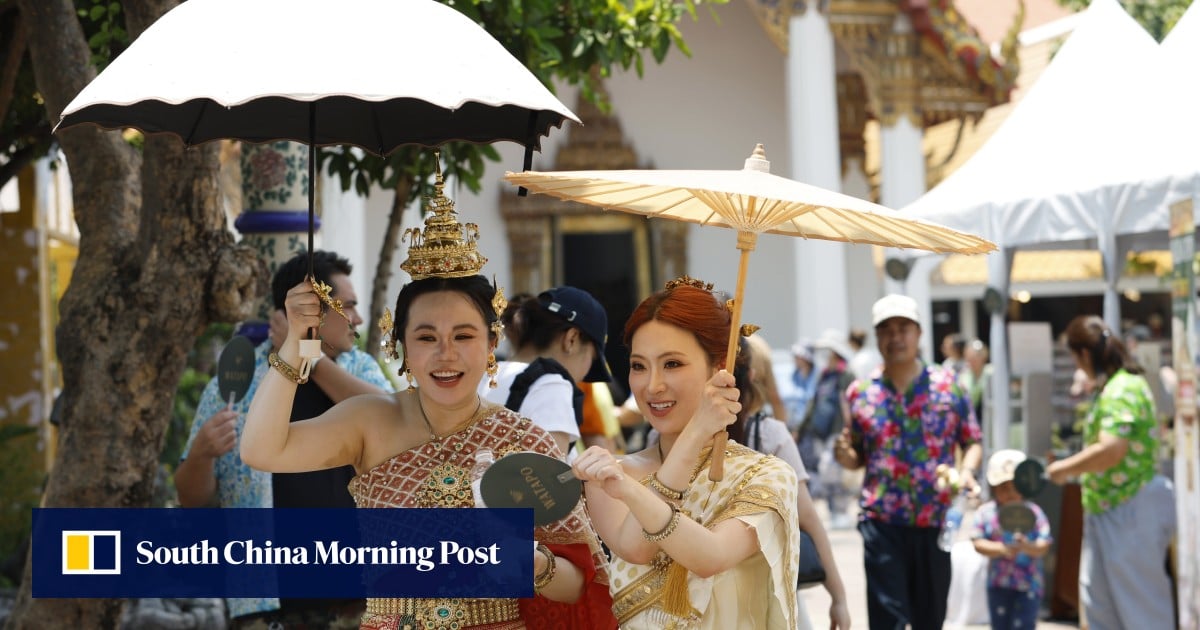
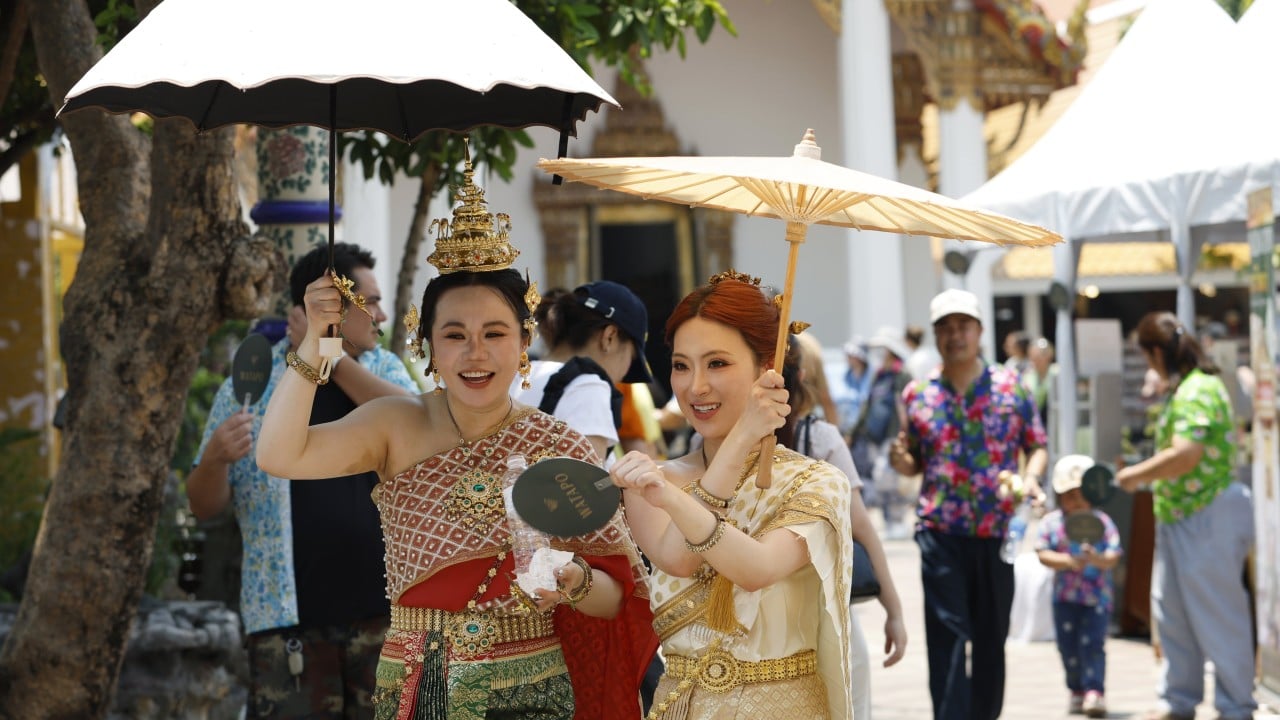
At a beachfront resort on Koh Samui, photo-obsessed travellers can book private sessions, with a dedicated photographer guiding them to the resort’s most camera-ready spots during a 20-minute shoot. Elsewhere, at Centara Life properties, late-night noodle bowls cater to regional tastes. Across Centara Hotels & Resorts, such offerings are becoming more tailored.
Centara, with more than 50 properties, mostly in Thailand, is seeing fewer European guests as the conflict in the Middle East disrupts long-haul travel routes.
Advertisement
“We were concerned it could worsen,” Centara’s chief operating officer Michael Henssler said in an interview. “But interestingly, the market has started to adjust and you can see things stabilising.”
Advertisement
The group had relied heavily on long-haul travellers, particularly Europeans who often transit through Middle Eastern hubs. Flight disruptions linked to the conflict have made those journeys harder, cutting into a major source of higher-spending guests.
Don't Miss:
-
Former American Idol singer Caleb Flynn sentenced to life in prison for wife’s murder
-
Bogota mayor presses Chinese-led consortium for more metro workers as auditors flag delays
-
ICC unseals arrest warrants for 4 Taliban leaders wanted on gender persecution charges
-
Quebec votes in provincial election as separatist surge poses test for Canada’s PM Carney
-
“Here, We Confront Drug Traffickers Daily… And The U.S.?”