
 Statement on missing ICIJ journalist Micah Reddy
  TRANSCRIPT: ‘China Retains Levers for Long-Term Territorial Ambitions’
  On Indonesia’s new oligarchy, China’s state bank, and other stories | Asia Sentinel Stories of the Week
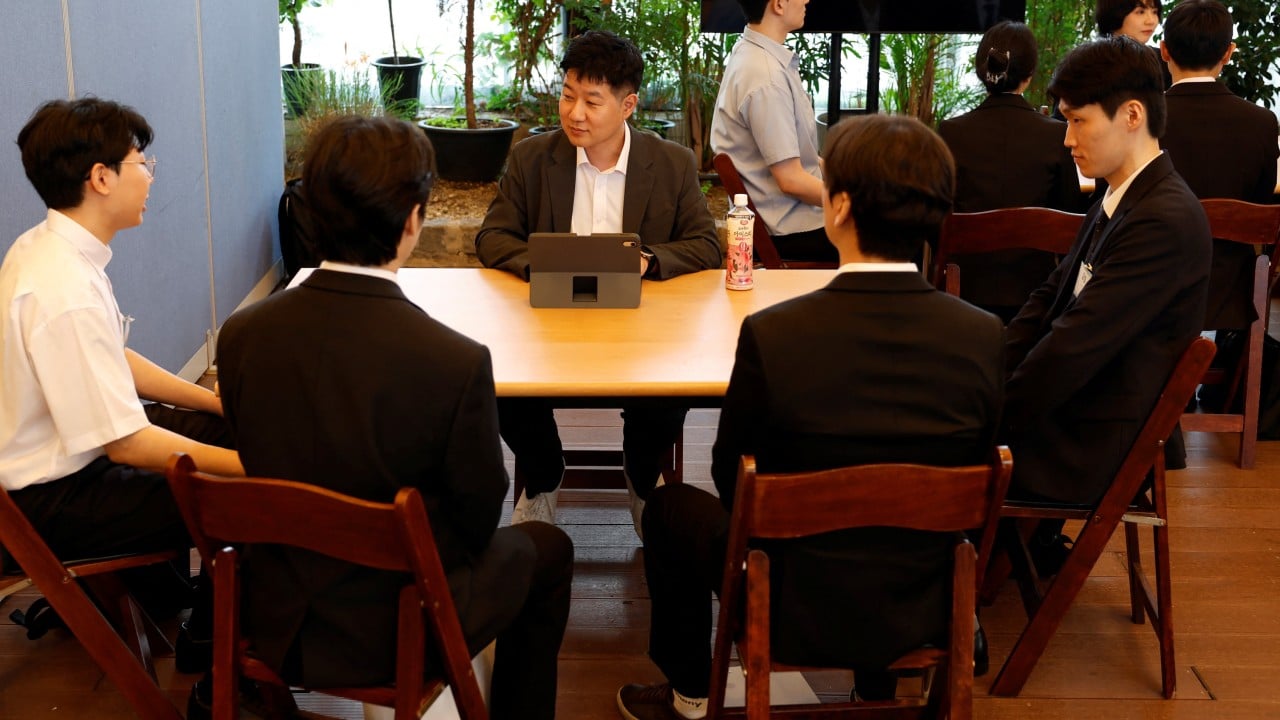
 So in 2019 she launched a service to connect South Korean jobseekers with Japanese employers.
“I was surprised that they couldn’t find a job because they were so smart,” the 35-year-old said in Seoul at a two-day job fair organised by KOREC, her start-up, last month. “Many could speak Japanese, so I thought it might be better for them to go to Japan. I wanted to help.”
South Korean youth face a chronic shortage of desirable entry-level jobs, as big name employers such as Samsung prefer to hire experienced workers and many older people remain in their jobs. In ageing Japan, meanwhile, companies are struggling to fill positions in large graduate schemes offering structured training to those taking the first step in their careers.

In a sign of the growing demand – and despite average salaries now being slightly higher in South Korea than in Japan – South Korea’s Wanted Lab and Japan’s LAPRAS, both of which specialise in tech talent placement, this year launched similar services to KOREC, joining early mover Mynavi.
Don't Miss:
-
Thousands march in France against ‘licence to kill’ draft law
-
Germany’s Merz vows to press ahead with reforms after historic state election defeat
-
UK’s Burnham congratulates Trump and Danish PM on Greenland deal
-
Italy’s Meloni plans to ban burkas, niqabs in schools and cap foreign pupils in classrooms
-
US, China seek Xi-Trump summit deliverables in New York talks