
 Manila’s EV ambitions confront economic and energy realities
  Tunisian court dismisses case to dissolve publisher of ICIJ partner Inkyfada
 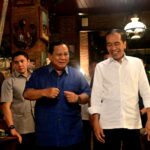 Prabowo Faces Growing Discontent as Jokowi Revives His Political Ambitions
 In 1984, Ha Tae-jun, then 24, spotted a notice recruiting for a special unit at the Military Manpower Administration office in central Seoul’s Yongsan district. The notice was scrawled on the wall in marker, with little explanation.
Ha applied, and his life was changed forever – training as a South Korean operative for covert missions into North Korea.
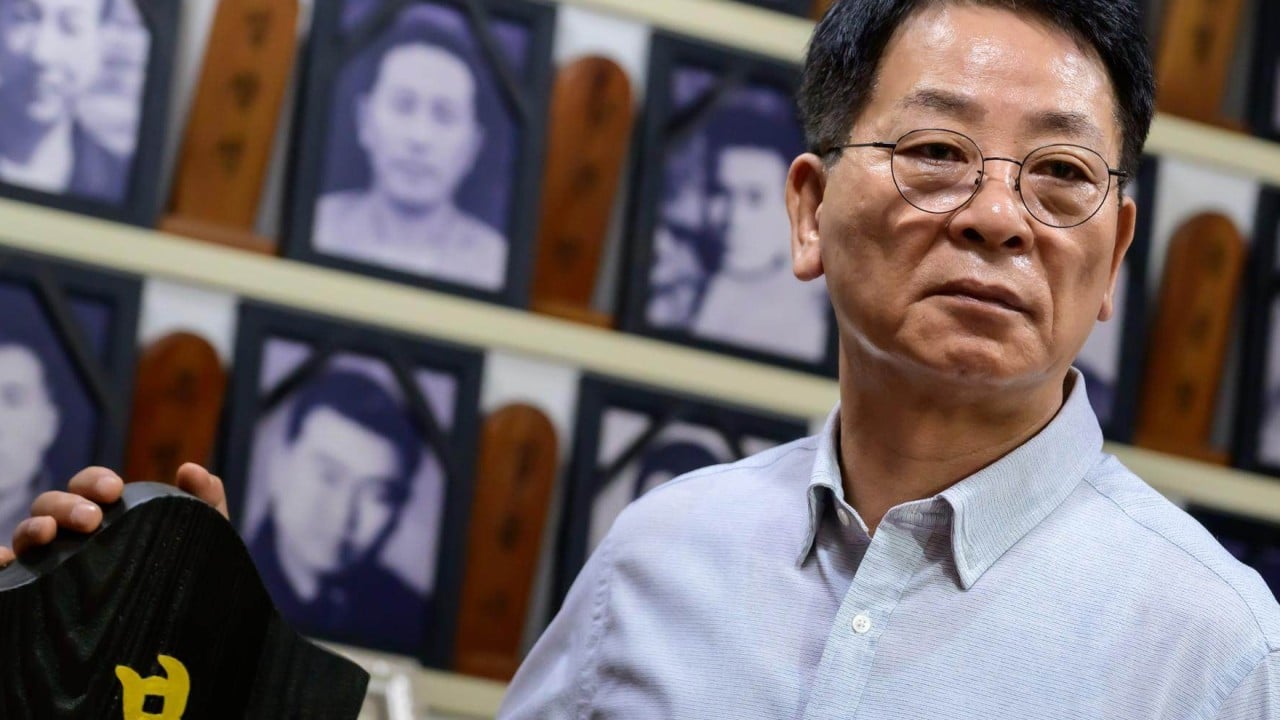
“About a month after submitting background check documents, they said I’d passed and told me to meet at a cafe near my house,” said Ha, now 66 and president of the Association of Bereaved Families of Special Mission Agents.
At the time, he had no idea it would be three years before he saw home again.
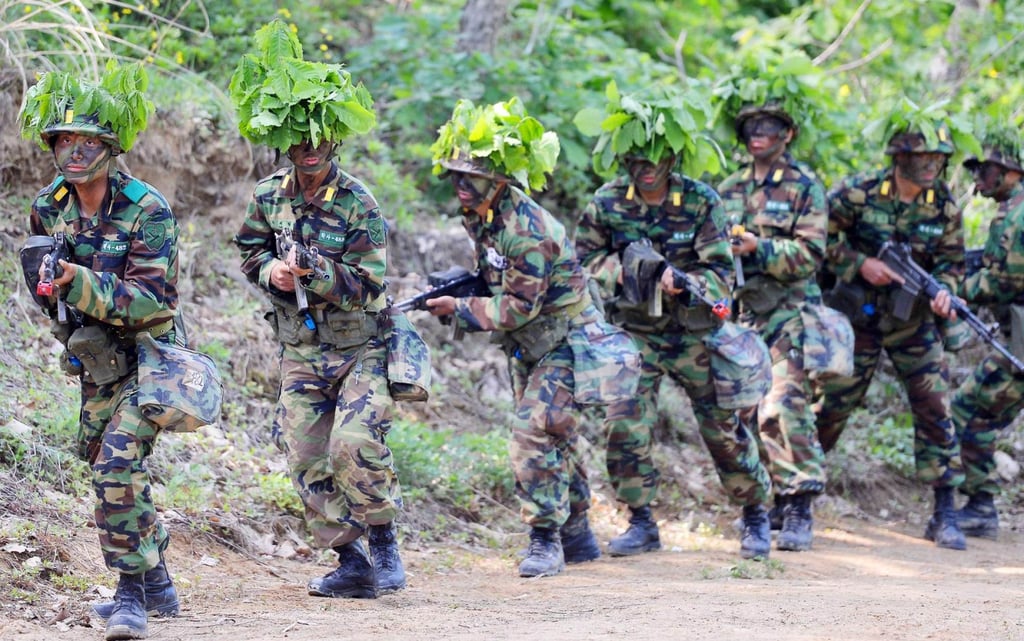
Taken to a safe house on Mount Cheonggye in Seongnam, Gyeonggi province, he passed a fitness test and got into a car, believing it would take him home.
Don't Miss:
-
Fight at Mazatlán Prison Leaves 10 Dead: A 2-Year-Old Boy Died During a Family Visit
-
Veracruz Mafia vs. CJNG: The Fight for Veracruz
-
Former Michoacán Official Used AI for Extortion: Here’s How They Cloned the Voices of Politicians and Ministers
-
Two Years On, the Sinaloa Cartel War Changes Shape | The InSight Take
-
US wraps up military mission in Iraq, giving Baghdad room to strengthen China ties