
 The story that rocked the world: Ten years of the Panama Papers, part 1
  France to try alleged Magnitsky Affair mastermind Dimitry Klyuev in absentia
  Canada revokes dozens of crypto firms’ registrations
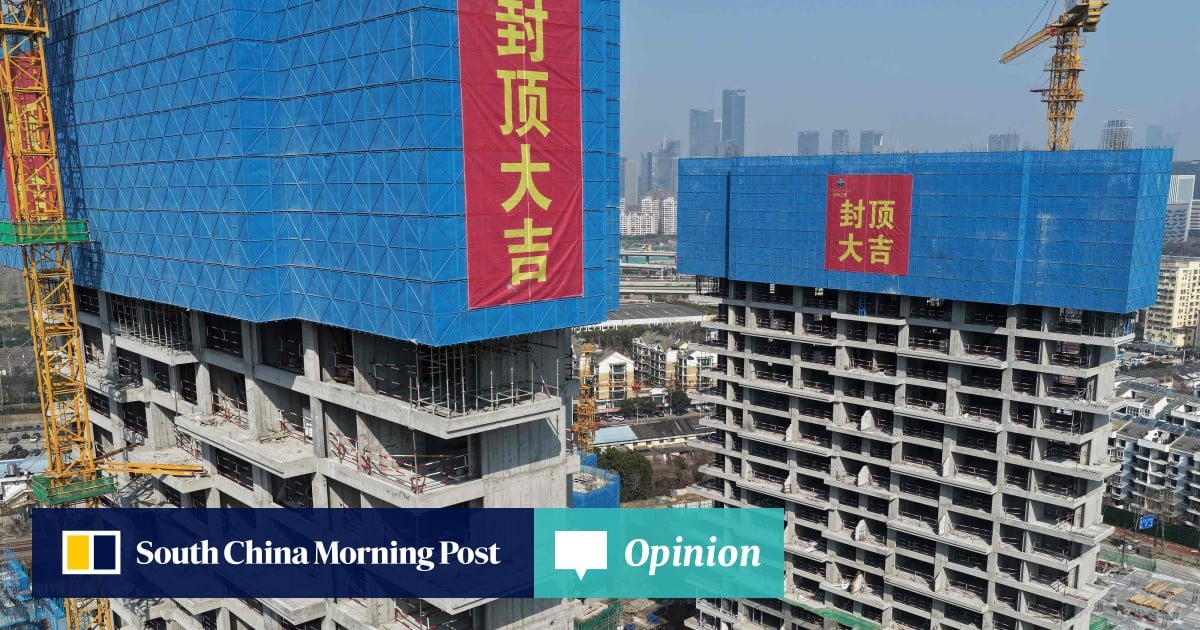
For years, China’s embattled real estate sector has been framed as a terminal drag on the economy – a deflating bubble that policymakers are unwilling to rescue but unable to ignore.
That framing misses what is happening. The absence of a large bailout is not so much a sign of the leadership’s indifference as a deliberate choice. It points to something more consequential than short-term market stabilisation: a systemic effort to redesign the sector’s role in the macroeconomy.
The old development model not only created a housing bubble but also perpetuated an institutional arrangement Beijing is determined to dismantle. For over two decades, land monetisation financed local government expenditure, presale revenues allowed developers to expand with minimal equity, and households absorbed leveraged exposure to residential assets that functioned more as savings instruments than homes.
Advertisement
Policymakers have chosen a different path. It is why this year’s government work report, while acknowledging the housing market is still adjusting, promised no new demand-side stimulus. Beijing is not withholding policy firepower out of austerity, but because reviving the old model cannot be the objective. The more consequential question is what replaces it.
Beijing is attempting a difficult pivot: transforming real estate from a debt-driven growth engine into a pillar of a consumption-led economy. This is a far more ambitious goal than merely inflating home prices. A key task is to shift housing from being a financial asset into a consumer good and welfare infrastructure.
Advertisement
This begins with a move towards “good housing”. By prioritising comfort, green standards and liveability over construction volume, the 15th five-year plan signals a fundamental change in the real estate value chain. When a house is treated as a consumer good rather than a speculative hedge, the resulting economic activity becomes more service-intensive and technologically driven. Instead of a one-off burst of steel and cement, the economy gains a durable stream of high-quality property management, green energy integration and urban renewal.
Don't Miss:
-
DNA links serial killer Ted Bundy to unsolved murder of 17-year-old US girl
-
Eyes on Chinese airline regulator as it seeks difficult balance on fuel surcharge rises
-
China targeted in US birthright citizenship debate, but Supreme Court justices sceptical
-
Iran’s president sends message to Americans in unusual open letter
-
Russia says it has taken full control of Ukraine’s Luhansk region