
 How Hungary’s richest man funneled millions into Orbán’s propaganda machine
  How Real Is the US Withdrawal from the Middle East?
  From Iran to China: An Emerging Trans-Central Asian Corridor
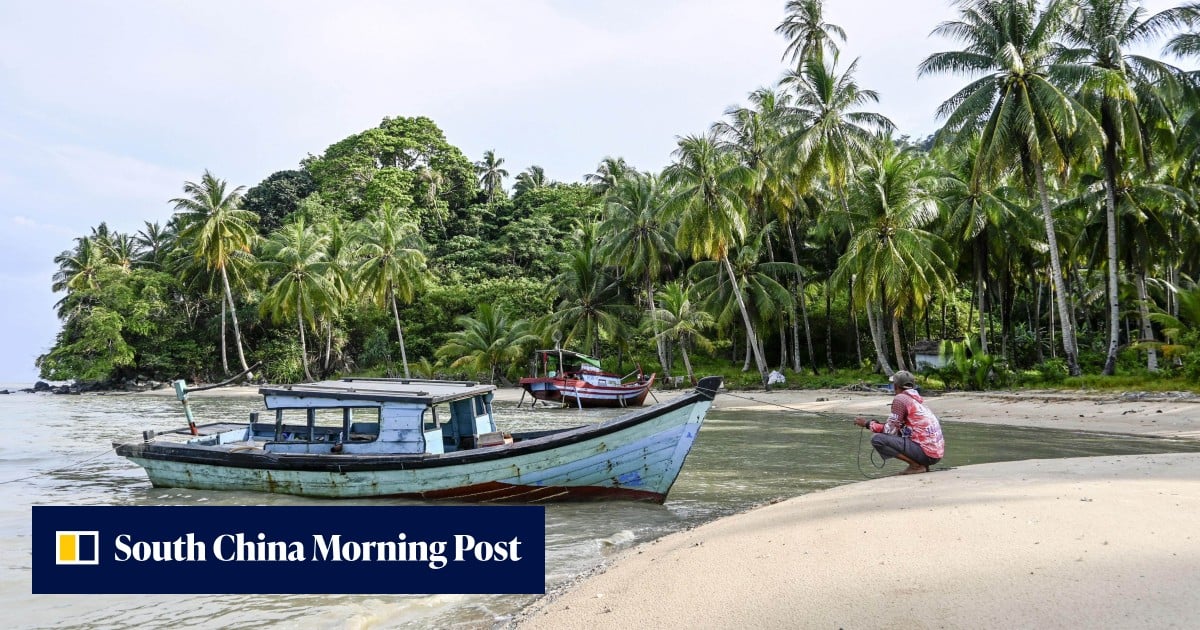
Some members of the public and experts, however, have voiced concerns about the risks of a nuclear disaster in the quake-prone country, despite one of the leading candidate sites being an uninhabited island considered not to be in an active seismic zone.
The government began discussing the revival of the plan last year as it seeks to reshape its energy policy. Deputy Minister of Energy and Mineral Resources Yuliot told an international nuclear forum in Jakarta in December that a new energy strategy would “explicitly” require the use of nuclear energy “to balance the energy mix and achieve decarbonisation targets”.
Plans to build nuclear power plants were first made in the mid-1990s under then president Suharto.
The Ministry of Energy and Mineral Resources says that it aims to have Indonesia’s first nuclear power plant operational by 2032 at the earliest, with a target for nuclear energy to account for up to 12.1 per cent of the primary energy mix by 2060, with an installed capacity of 35-42 gigawatts.
Don't Miss:
-
US wraps up military mission in Iraq, giving Baghdad room to strengthen China ties
-
As China and the EU begin crunch trade talks, optimism is in short supply
-
Data centre opposition is growing in Australia. Is there a middle ground?
-
Helper arrested for allegedly slapping 5-year-old boy after he refuses to eat
-
Workers, mostly Indian, building US consulate in Milan agree to record settlement