
 From Iran to China: An Emerging Trans-Central Asian Corridor
  New documents show how a retail chain’s sales practices helped put guns on US streets
  Singapore a battleground of commodities fraud lawsuits
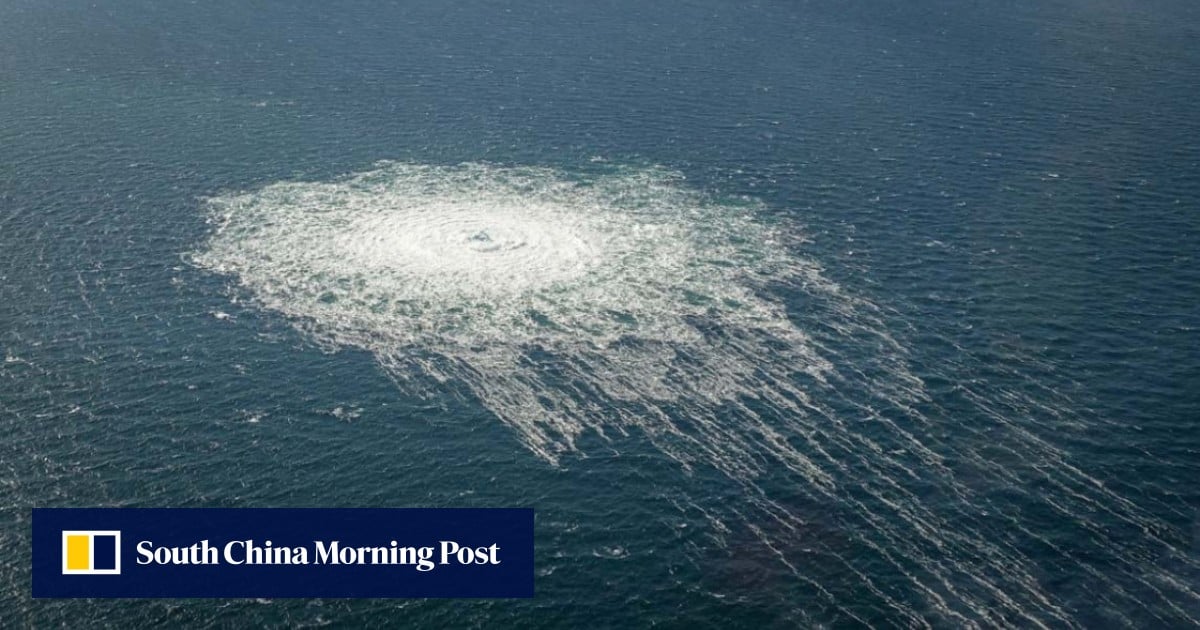
“The barrier to entry for undersea warfare is lowering,” Shi Guanglei and Shi Haiming from the National Defence University wrote in Science and Technology Daily, pointing to the Aukus pact between Australia, Britain and the United States as a key driver of this change.
“In the past, underwater operations relied heavily on crewed submarines, which were expensive and posed significant risks to personnel, making it difficult for small and medium countries to conduct underwater military activities.”
They added that small and medium-sized unmanned undersea vehicles (UUVs) were “low-cost, easy to deploy in batches and pose no risk of casualties, allowing countries to seize control of the seabed”.
The article said undersea cables carried 99 per cent of intercontinental data traffic and played a key role in supporting online services and daily cross-border financial transactions widely estimated to be worth US$10 trillion.
Don't Miss:
-
John Lee promises ‘high-quality’ experience for Apec finance meeting guests
-
John Lee urges public to tune in to Legco debate on city’s 5-year plan, policy address
-
Hong Kong prepares reforms, accountability measures ahead of Tai Po fire report
-
Turkmenistan grows its arsenal of Chinese air defences as Russia’s role shrinks
-
India sizes up US F-35 stealth jets in landmark first on home turf