
 How Real Is the US Withdrawal from the Middle East?
  From Iran to China: An Emerging Trans-Central Asian Corridor
  New documents show how a retail chain’s sales practices helped put guns on US streets

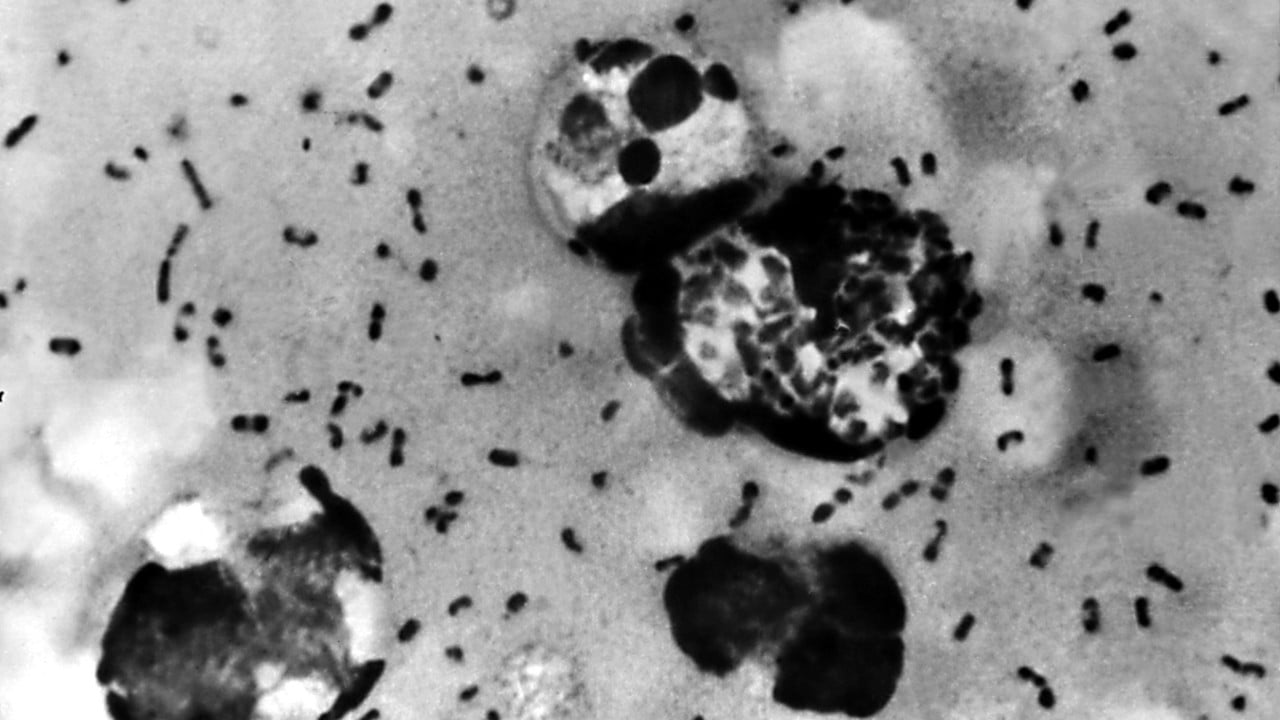
Scientists have found the oldest known evidence of the plague, which sparked deadly outbreaks dating back about 5,500 years ago – some 200 years earlier than previously thought.
The disease has sickened humans for thousands of years and wiped out a significant chunk of Europe’s population in the 14th century during what’s known as the Black Death. Though rare, the plague is still around today and is treated with antibiotics.
“To understand our own history, we believe that understanding the history of plague is extremely important,” said study co-author Eske Willerslev, an evolutionary geneticist with the University of Copenhagen in Denmark.
Advertisement
Willerslev and other researchers looked for traces of plague-causing bacteria in remains from four cemeteries near Siberia’s Lake Baikal. They found remnants of plague DNA in teeth from 18 ancient hunter-gatherers.
Dating the carbon in the bones revealed that the plague triggered two outbreaks, with the first cases detected around 5,500 years ago.
Advertisement
The team found that the prehistoric plague developed in stages and infected several small families. It likely spread from marmots – large native rodents – when people ate their raw organs or touched infected hides during butchery. The disease also travelled between people through coughing and sneezing, the authors said.
Don't Miss:
-
Canada will not allow assisted suicide for those with only mental illness
-
Trump wants to turn Florida golf course into presidential retreat
-
US proposes US$70,000 fee for foreign students to work after graduation
-
France halts use of stun grenades in policing of student protests
-
The Jalisco Cartel: At Its Weakest Point in History