
 How Real Is the US Withdrawal from the Middle East?
  From Iran to China: An Emerging Trans-Central Asian Corridor
  New documents show how a retail chain’s sales practices helped put guns on US streets
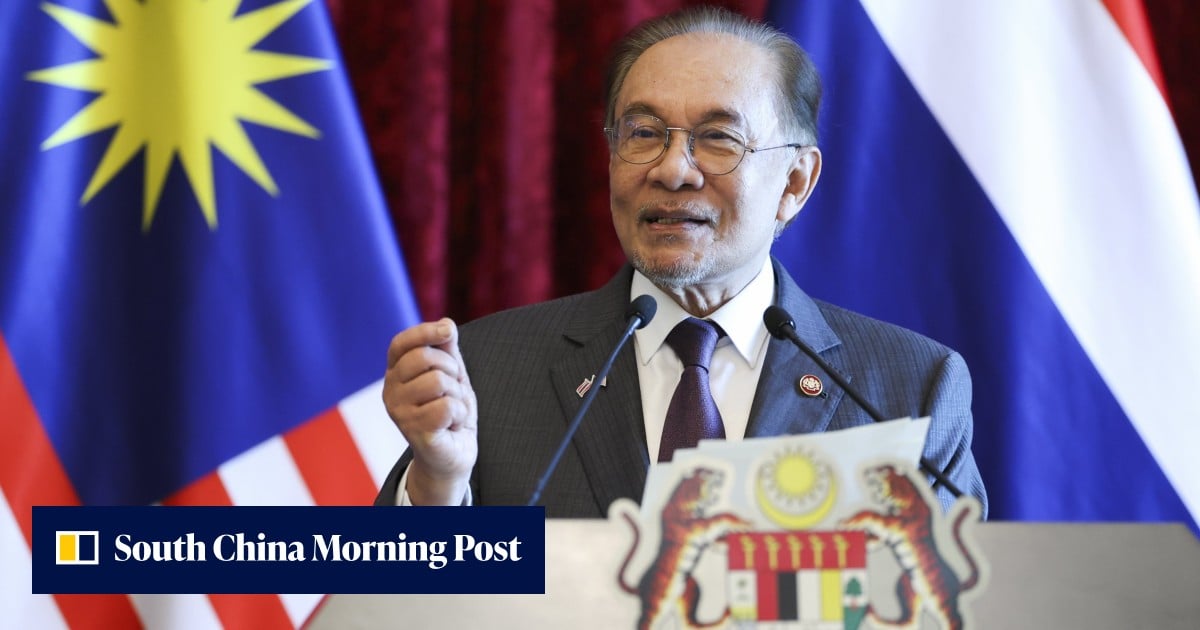
Anwar announced on Friday that his government would repeal the 55-year-old law, a significant reversal from the administration’s position only months earlier that AUKU should be retained and improved rather than abolished.
The law has been the backbone of Malaysia’s public university system since 1971, governing the establishment and administration of universities, their finances, appointments and academic affairs.
For student activists, however, its most contentious feature has been the disciplinary powers it gives university authorities – powers they say have been used to curb protests, political organising and campus dissent.
Anwar was himself a prominent student activist in the 1970s and was detained after the 1974 Baling protests, which stemmed from anger over rural poverty and the plight of rubber tappers and farmers.
Don't Miss:
-
Canada will not allow assisted suicide for those with only mental illness
-
Trump wants to turn Florida golf course into presidential retreat
-
US proposes US$70,000 fee for foreign students to work after graduation
-
France halts use of stun grenades in policing of student protests
-
The Jalisco Cartel: At Its Weakest Point in History