
 How Hungary’s richest man funneled millions into Orbán’s propaganda machine
  How Real Is the US Withdrawal from the Middle East?
  From Iran to China: An Emerging Trans-Central Asian Corridor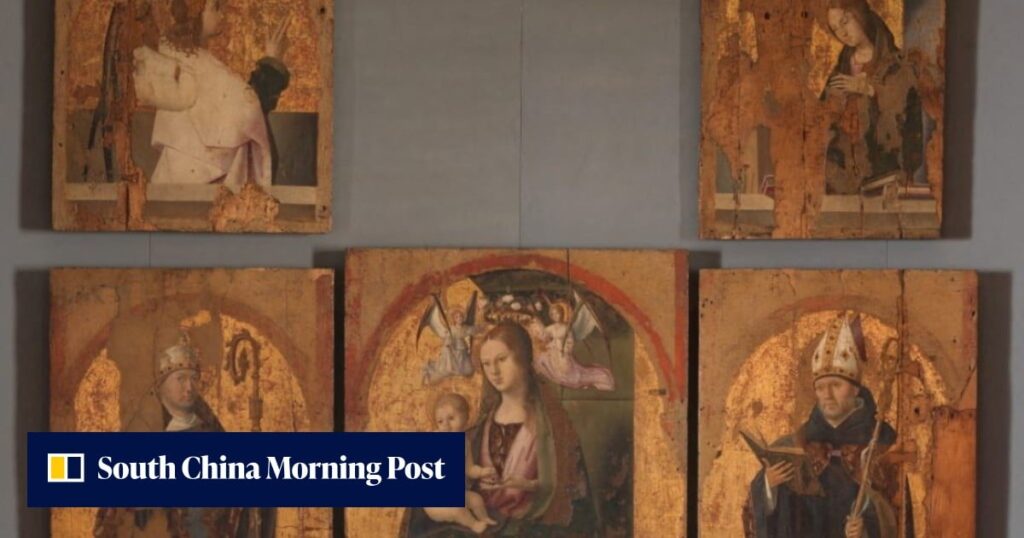
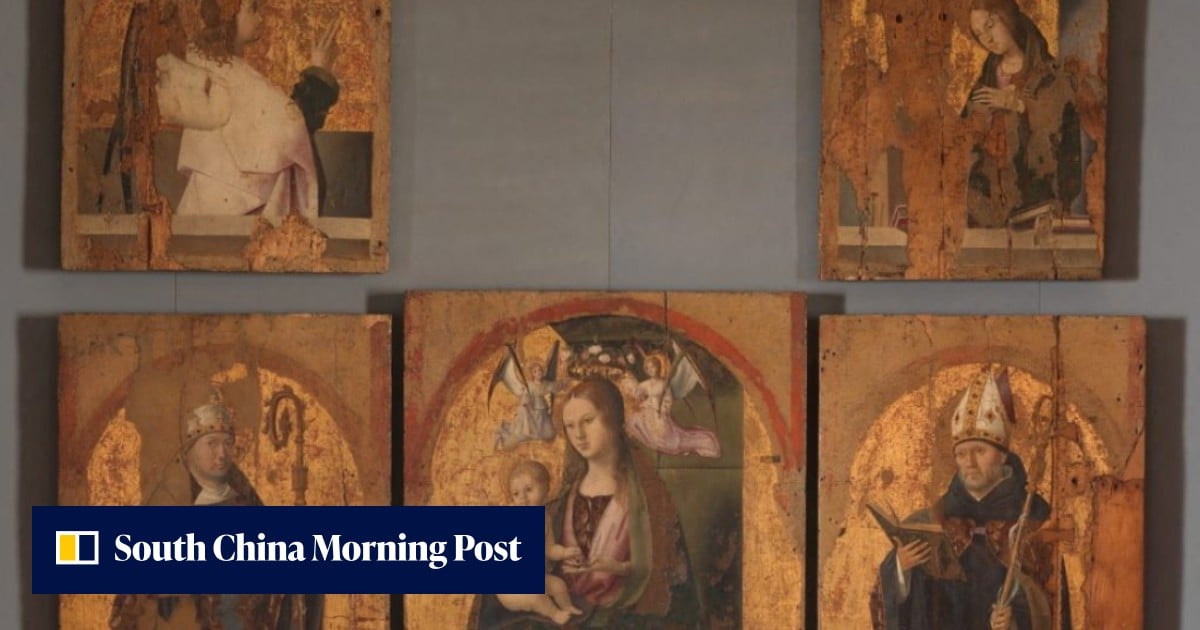
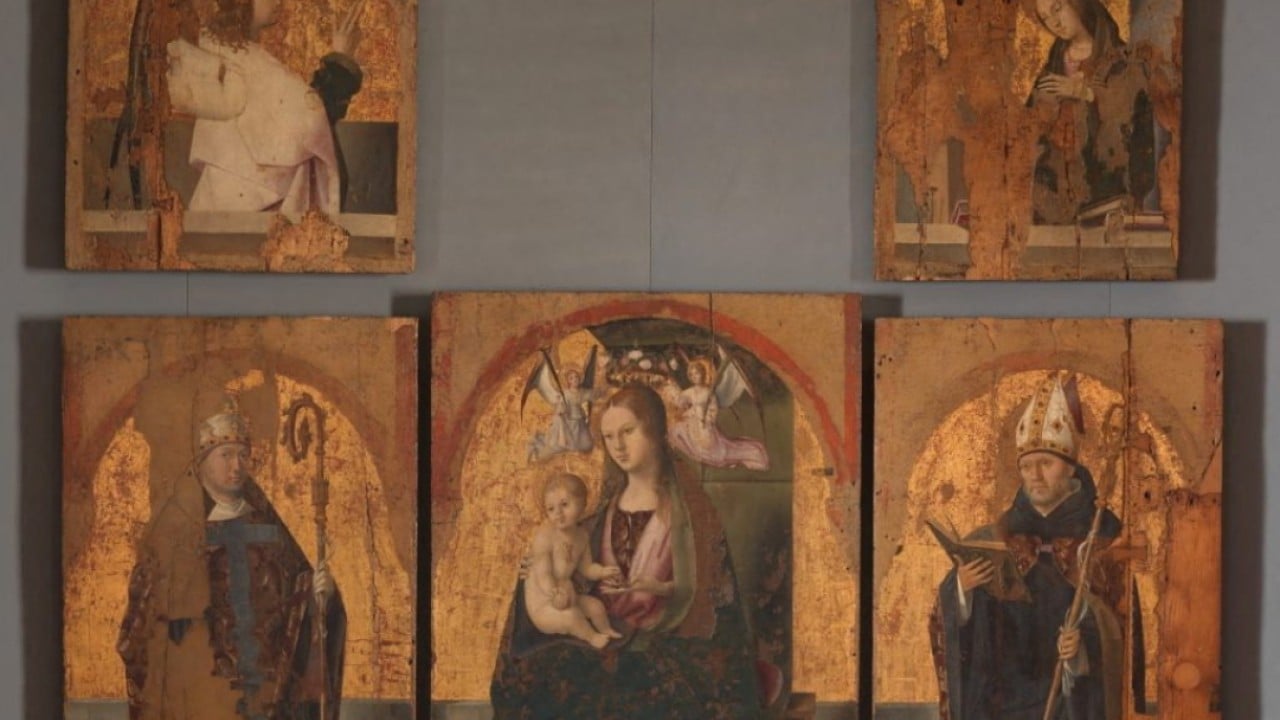
The theft of four paintings by Renaissance master Antonello da Messina may have involved organised crime and raised troubling questions about security at a museum in the Sicilian artist’s hometown, a local official said on Monday.
Enzo Caruso, Messina’s councillor for culture, said it was difficult to understand how thieves could have removed the works in a matter of minutes without detailed knowledge of the museum’s layout.
“It’s a very, very strange affair,” Caruso said.
The theft on Saturday at Messina’s Accascina Regional Museum has shocked Italy and revived memories of the infamous 1969 disappearance of a masterpiece by Caravaggio from a Palermo church – a case long associated with Sicily’s Cosa Nostra mafia and never solved.
Caruso said the stolen Antonello works were so famous that selling them even on the black market would be virtually impossible, raising the possibility that they could be used as bargaining chips or collateral in criminal dealings.
“The Mafia? It’s possible they might try to blackmail the state itself in order to return them. These are the kinds of dynamics that ordinary people never get to see,” he said.
He said another possibility was that the paintings could be used as guarantees or currency within the criminal underworld.
Don't Miss:
-
US wraps up military mission in Iraq, giving Baghdad room to strengthen China ties
-
As China and the EU begin crunch trade talks, optimism is in short supply
-
Data centre opposition is growing in Australia. Is there a middle ground?
-
Helper arrested for allegedly slapping 5-year-old boy after he refuses to eat
-
Workers, mostly Indian, building US consulate in Milan agree to record settlement