
 From Iran to China: An Emerging Trans-Central Asian Corridor
  New documents show how a retail chain’s sales practices helped put guns on US streets
  Singapore a battleground of commodities fraud lawsuits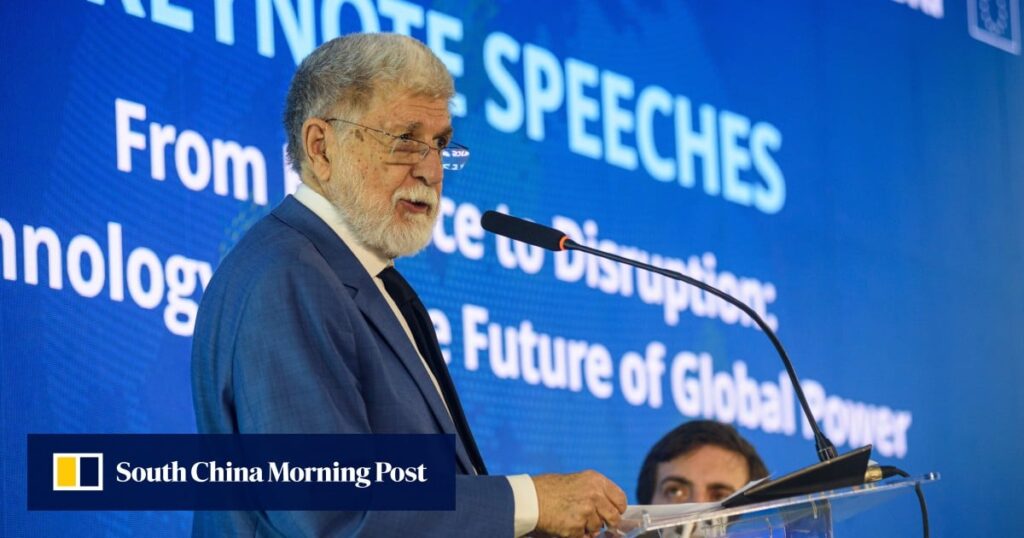
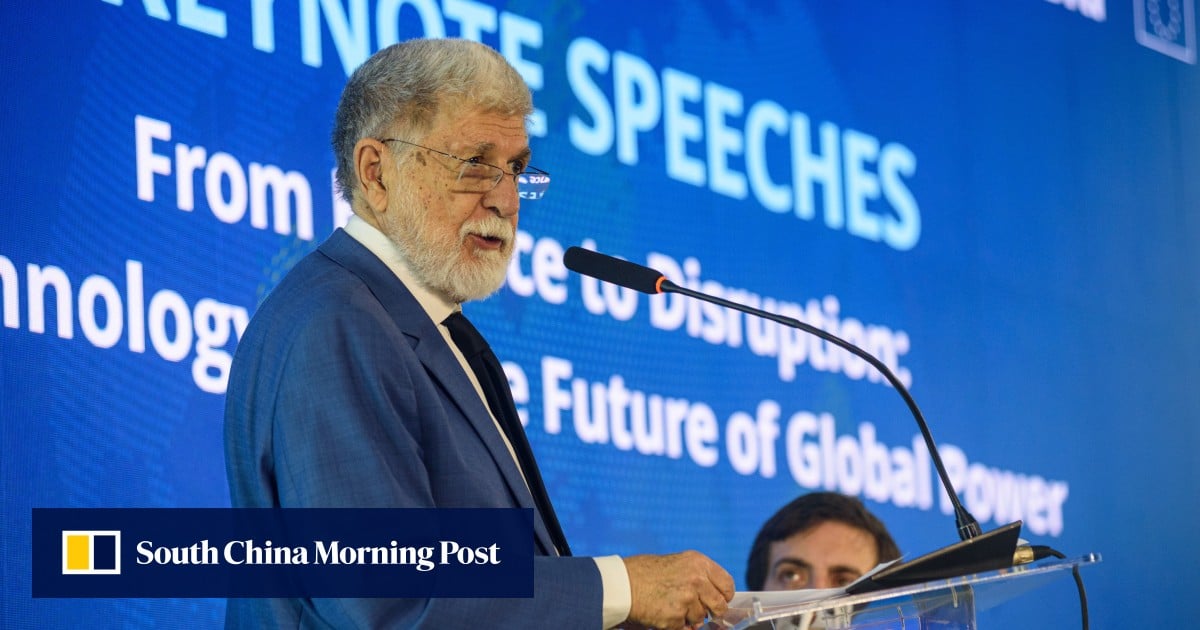
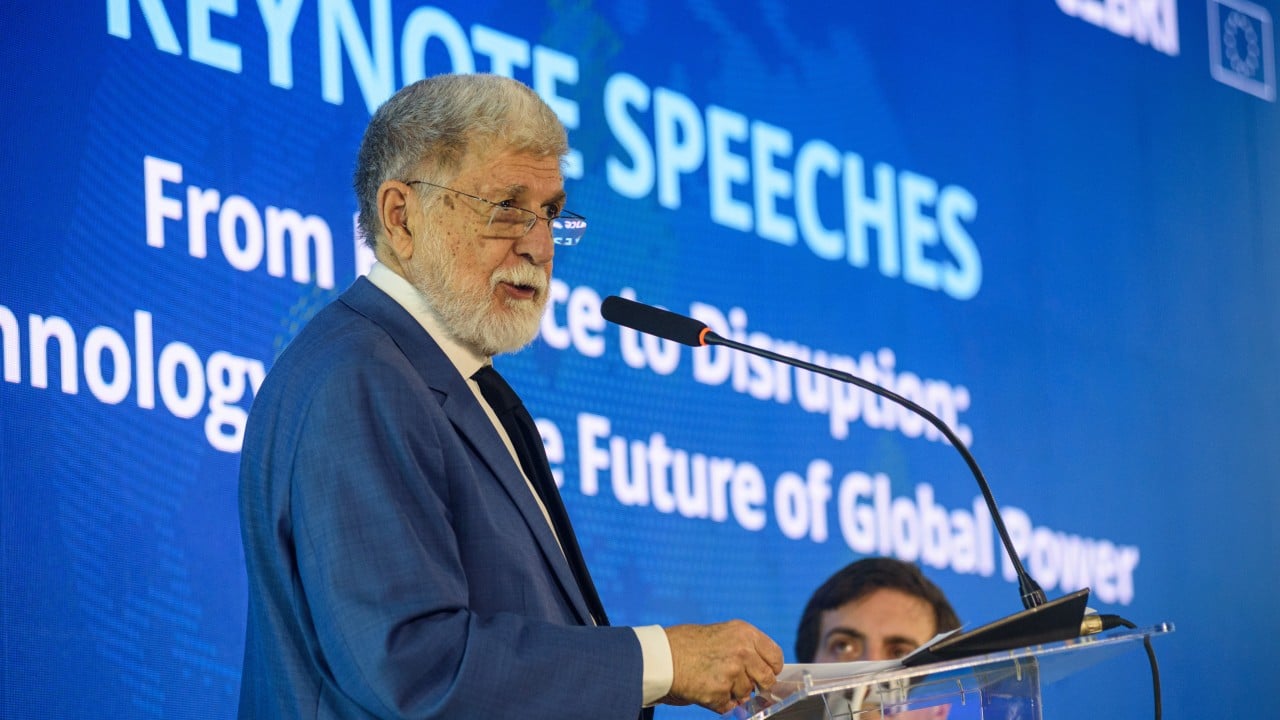
The race for artificial intelligence has hardened into a two-power contest between the United States and China, fought over rare earths, data and the rules governing the technology, with Latin America and Europe sidelined, Brazil’s top foreign policy adviser said on Tuesday.
Celso Amorim, a former foreign and defence minister, made the case at the Forte de Copacabana International Security Conference in Rio de Janeiro, an annual forum run by the Brazilian Centre for International Relations with the Konrad Adenauer Foundation and the European Union’s delegation in Brazil.
“We must recognise that neither Latin America nor Europe is leading the artificial intelligence race. What we see today are two poles, the United States and China,” Amorim said, adding that the gap will have practical consequences as technology “multiplies power, asymmetries and is never neutral”.
Advertisement
Brazil’s answer, in his telling, is to pick neither side but to draw capital and technology from both. The chief architect of President Luiz Inacio Lula da Silva’s foreign policy framed Brics and the Global South as the way to keep that balance.
Don't Miss:
-
Hong Kong approves average fee hikes of up to 4.75 per cent for non-public schools
-
4 Indonesian seamen kidnapped by Somali pirates return home
-
UK police arrest seventh man linked to security incident at US-run airbase
-
Iván Cazarín Molina, alias “El Tanque”, Alleged CJNG Operator Active in Several States, Arrested
-
Iceland is ‘critical outpost’ for security, Rubio says during visit