
 New documents show how a retail chain’s sales practices helped put guns on US streets
  Singapore a battleground of commodities fraud lawsuits
  From Propagandist to Criminal
 King Harold’s legendary 200-mile march across England to the Battle of Hastings in 1066 is a “myth” that likely never happened, according to research published on Saturday.
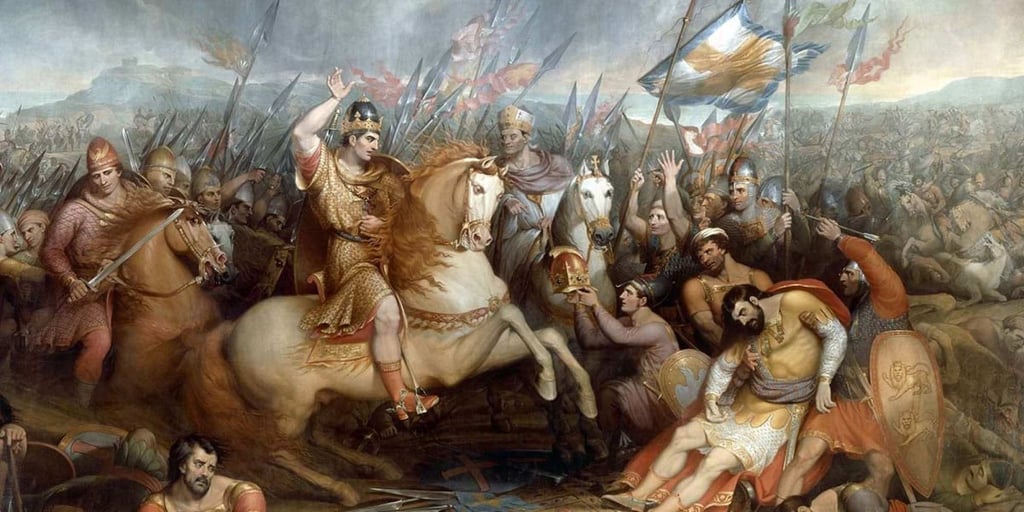
In arguably the most famous battle in English history, the Anglo-Saxon leader was defeated by William the Conqueror, who became the first Franco-Norman king of England, at Hastings on October 14, 1066.
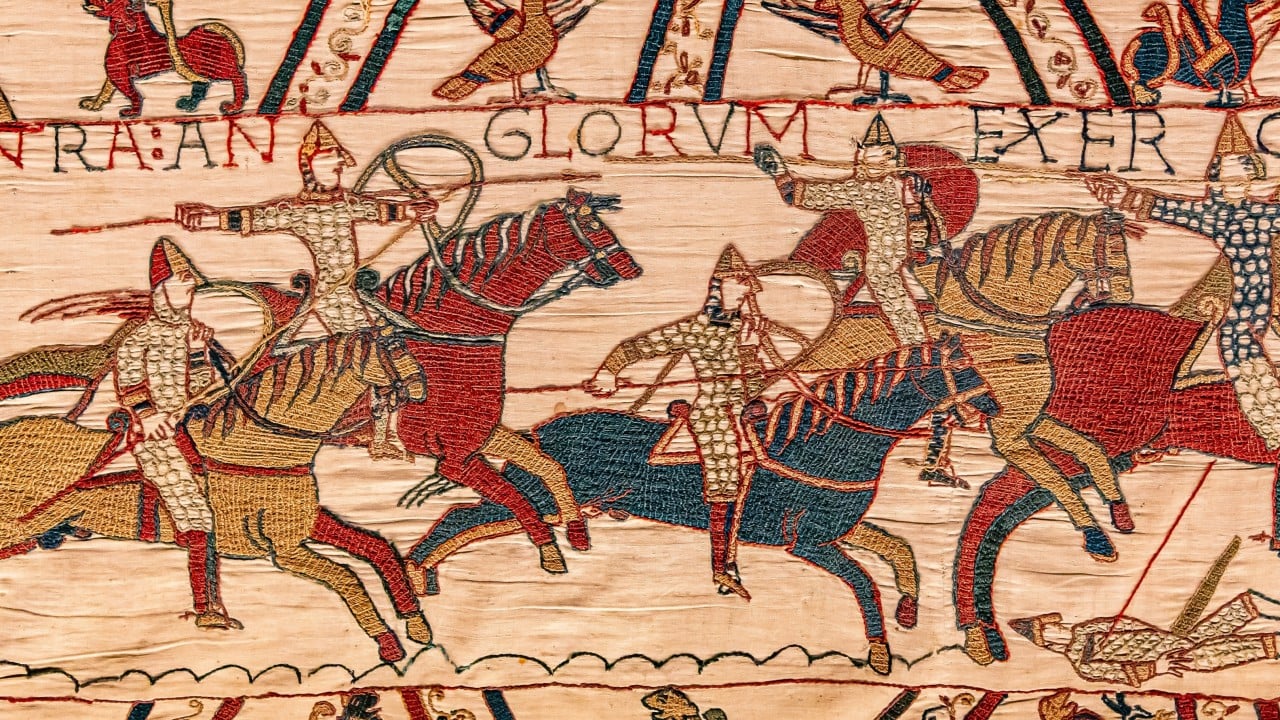
The decisive clash, which marked the start of the Norman conquest of England, is depicted in the Bayeux Tapestry, set to be brought to London from France this year.
Advertisement
Ahead of the tapestry’s exhibition, starting in September 2026, new research from the University of East Anglia (UEA) revealed that the tale of Harold’s famed march to the fight was a “misunderstanding”.
The account of the march, as taught in British classrooms and museums, rests on what a UAE historian argues is a misinterpretation of the Anglo-Saxon Chronicle, a written record of medieval English history.
Advertisement
The Chronicle recounts that Harold’s ships “came home”.
Don't Miss:
-
Former American Idol singer Caleb Flynn sentenced to life in prison for wife’s murder
-
Bogota mayor presses Chinese-led consortium for more metro workers as auditors flag delays
-
ICC unseals arrest warrants for 4 Taliban leaders wanted on gender persecution charges
-
Quebec votes in provincial election as separatist surge poses test for Canada’s PM Carney
-
“Here, We Confront Drug Traffickers Daily… And The U.S.?”