
 Questions swirl around US plans for record $15B Prince Group crypto seizure
  Donate to ICIJ
  Chelsea FC fined millions over secret payments under Abramovich ownership
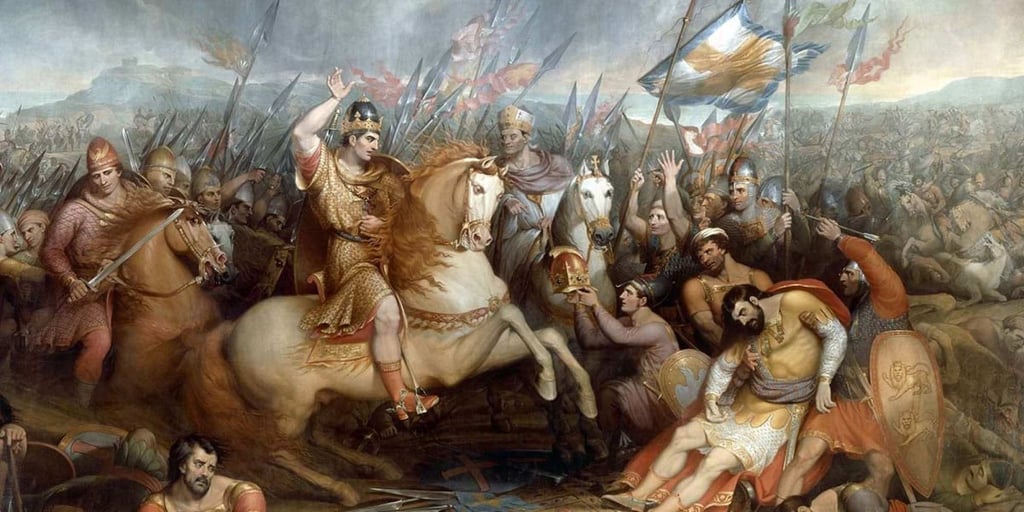
 King Harold’s legendary 200-mile march across England to the Battle of Hastings in 1066 is a “myth” that likely never happened, according to research published on Saturday.
In arguably the most famous battle in English history, the Anglo-Saxon leader was defeated by William the Conqueror, who became the first Franco-Norman king of England, at Hastings on October 14, 1066.
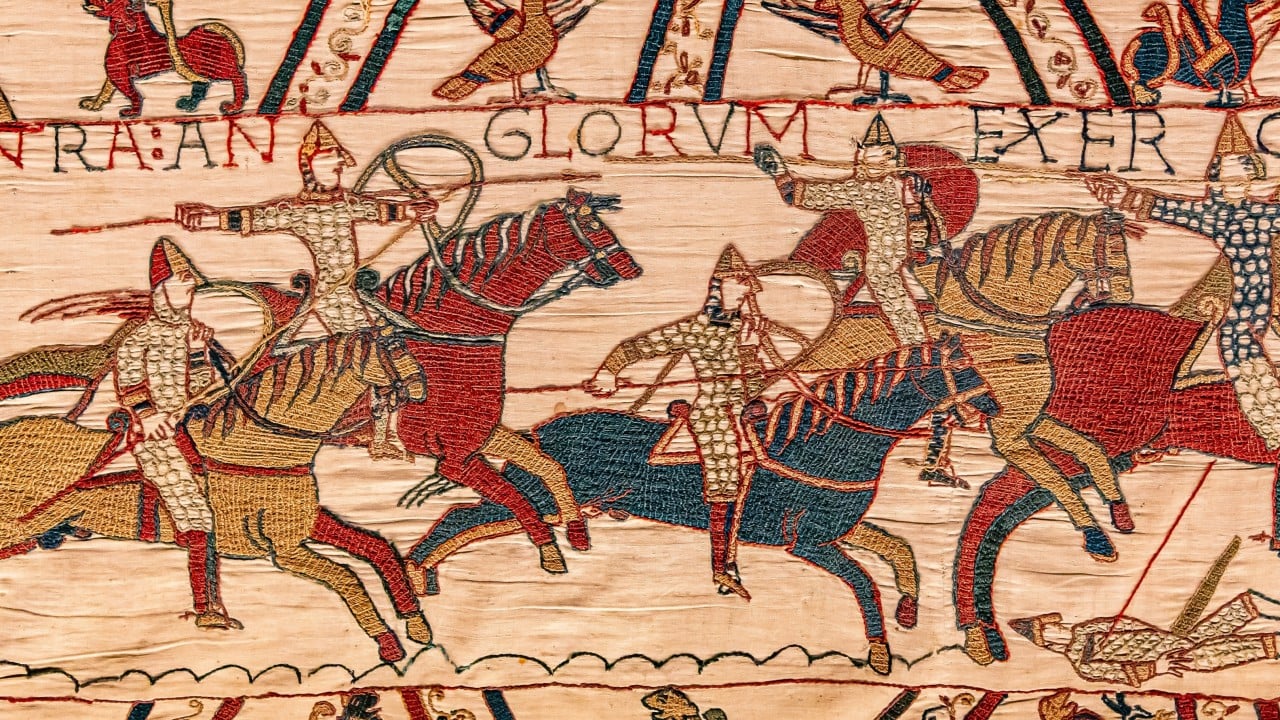
The decisive clash, which marked the start of the Norman conquest of England, is depicted in the Bayeux Tapestry, set to be brought to London from France this year.
Advertisement
Ahead of the tapestry’s exhibition, starting in September 2026, new research from the University of East Anglia (UEA) revealed that the tale of Harold’s famed march to the fight was a “misunderstanding”.
The account of the march, as taught in British classrooms and museums, rests on what a UAE historian argues is a misinterpretation of the Anglo-Saxon Chronicle, a written record of medieval English history.
Advertisement
The Chronicle recounts that Harold’s ships “came home”.
Don't Miss:
-
Hong Kong police file fresh terrorism charge against pair over alleged bomb plot
-
Ex-assistant principal given 36-month bind-over for stealing groceries from Sogo
-
Hong Kong’s Art March celebrations press on amid Middle East conflict disruptions
-
Withholding device passwords punishable under tightened national security rules
-
From coal to cures: Chinese scientists bring a 160-year-old dream to life