
 Rick Claypool on Pay to Play Corporate Crime Enforcement
  Labaton Launches Whistleblower Practice with Former SEC Acting Chair Allison Herren Lee
  Kremlin payment firm A7 has been pumping billions in ‘untraceable’ cash into global financial system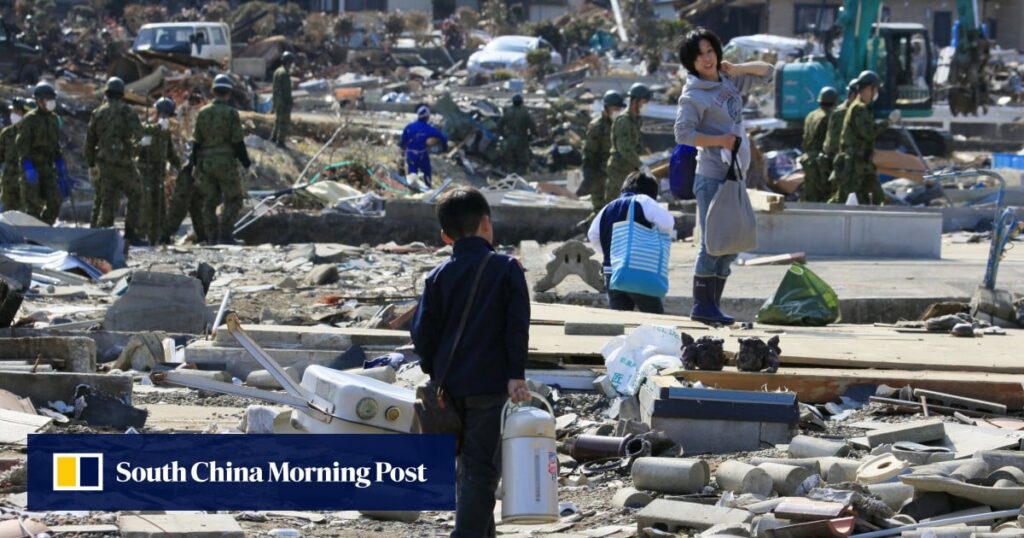
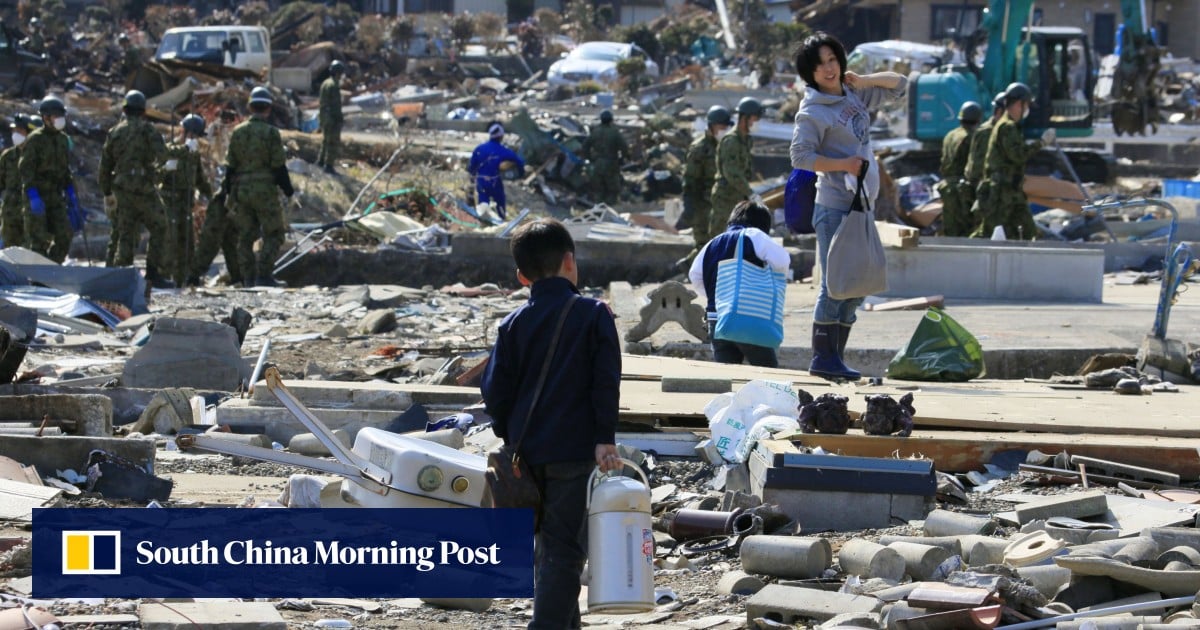
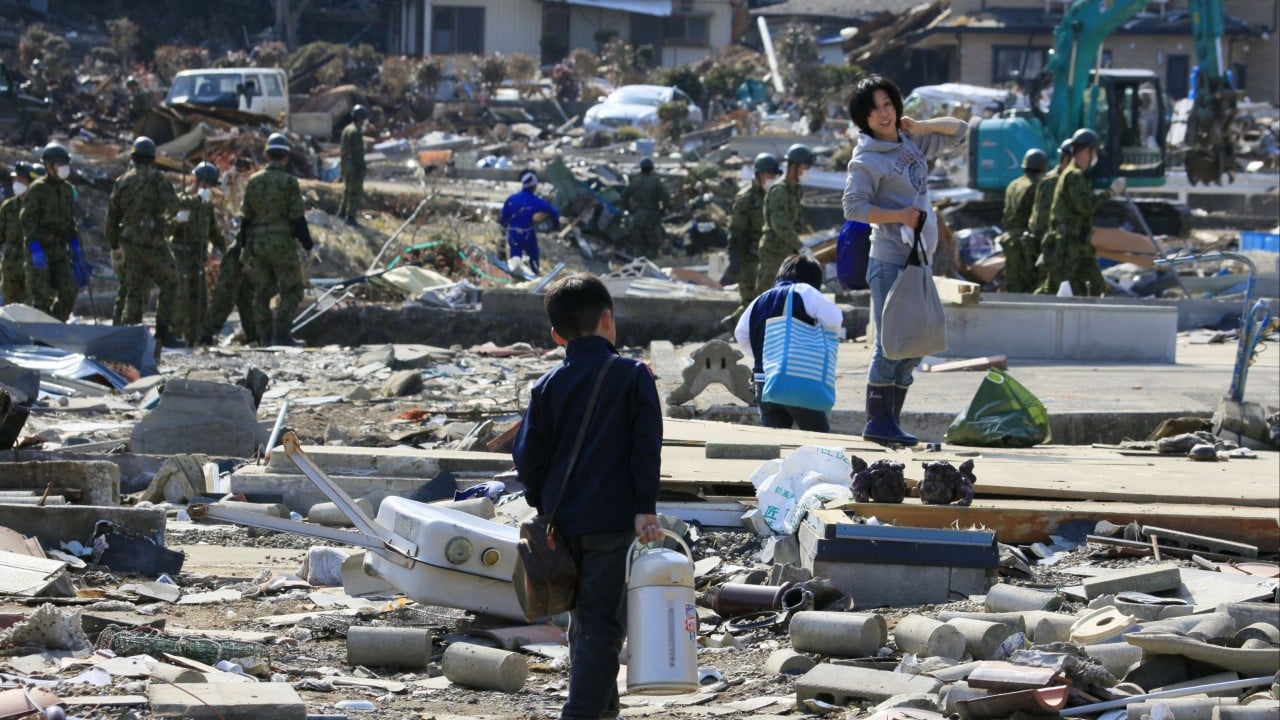
It was “beyond recognition”, according to Saito. The once-thriving community had been largely flattened, replaced by mounds of debris and fishing boats. Amid the tragedy, however, clear signs of ibasho had started to emerge.
Advertisement
Looking out for the rest of the community started on the first night in the evacuation shelter, said 66-year-old Saito.
“Amid all the anxiety, people helped one another by sharing blankets and the like,” she said. “In our case, a friend whose home had not been damaged heard that our family was at the evacuation centre, came to pick us up and invited us to stay at their home, where we were taken care of for a few days.”
Advertisement
Later, as concerns increased about the worsening situation at the Fukushima Dai-ichi nuclear plant, relatives in another prefecture gave the family refuge.
Don't Miss:
-
A Total of 13 Mass Graves Have Been Found in Viesca Containing the Charred Remains of Men and Women
-
Jorge Luis Zambrano, alias “Rasquiña”
-
El Taliban Fell In Mazatlán… And What He Confessed Ties Everything Together
-
Inside the Camp at the Heart of Honduras’ Garífuna Land Struggle
-
This Is How the MataZetas Captured and Executed the Zetas