
 Trump administration gave firm with ties to ballroom donor the green light to do business with a sanctioned Russian bank
  Claire Sylvia on the Constitutionality of the False Claims Act
  School shootings in the Philippines put gun access under scrutiny
 One of them is Babylingual, a free app released in March by Moto Numazawa, a 25-year-old father in the Kanagawa prefecture city of Chigasaki, near Tokyo.
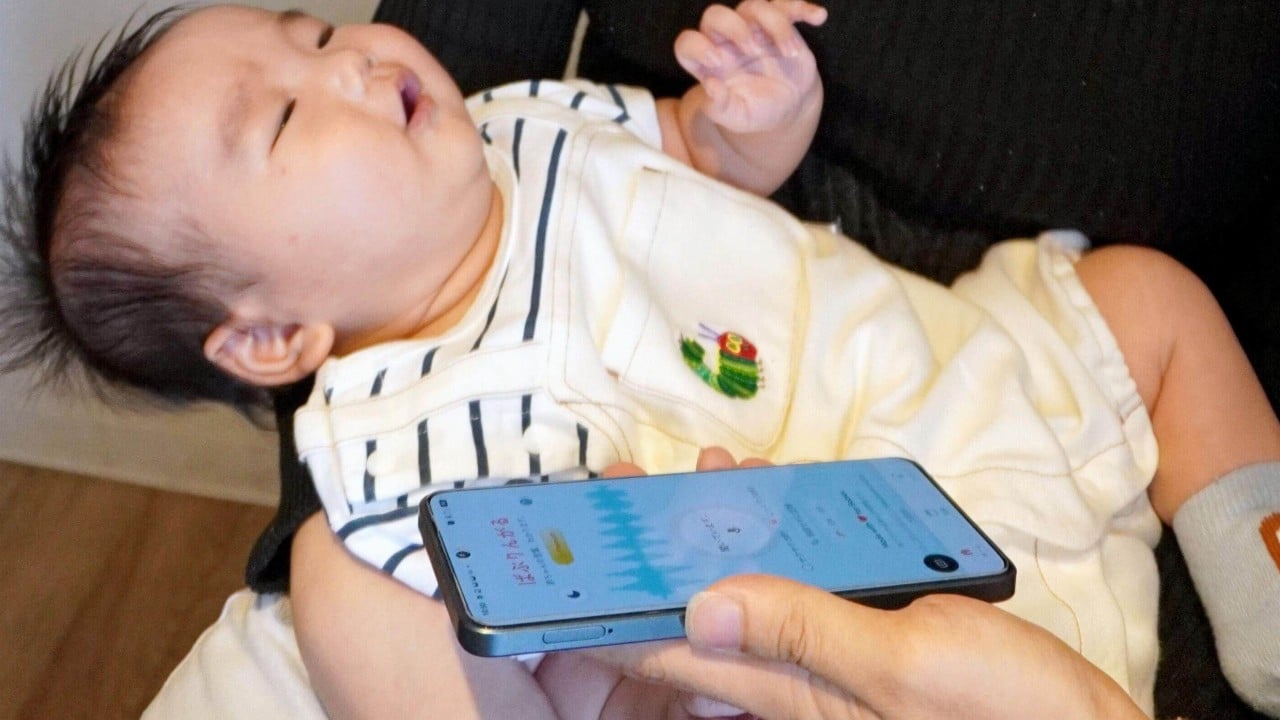
In late April, Numazawa held his smartphone up to his three-month-old son, Saku. Seconds later, the app displayed the message: “I’m hungry.”
Advertisement
Alongside the result, the screen showed a gauge indicating the likelihood of that interpretation compared with other possible needs and advised: “It might be feeding time.”
By that point, three hours had passed since Saku’s morning feeding. After being fed, he quickly fell asleep in the arms of his mother, Yu.
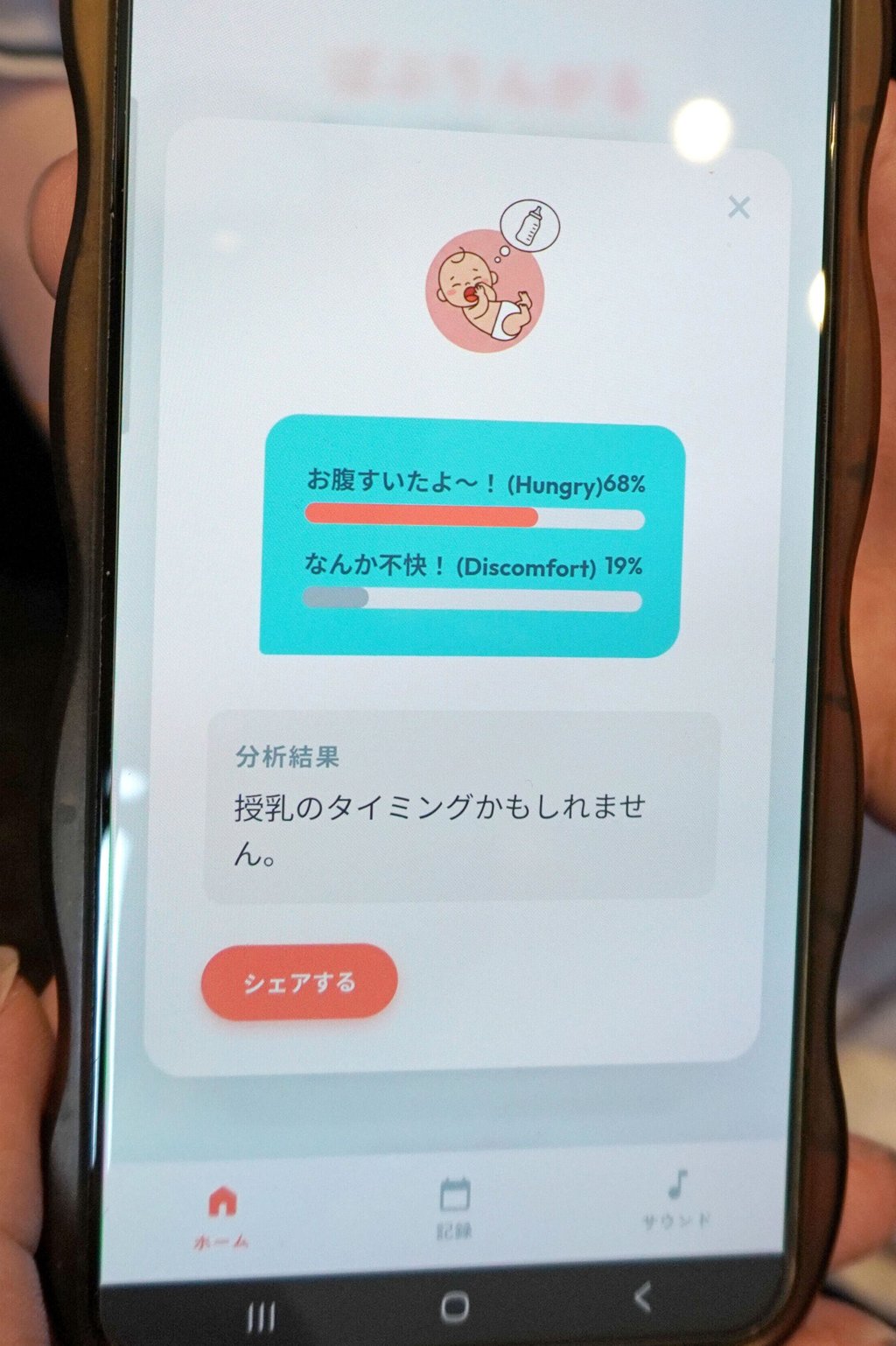
Babylingual applies previous research suggesting babies make distinct vocalisations in response to needs such as hunger and sleep, classifying cries into five patterns.
Don't Miss:
-
The US-China tech war has evolved since the last Xi-Trump summit. Who has the edge now?
-
Canada’s British Columbia sues OpenAI in US court over school shooting
-
Top US Senate Democrat Jeanne Shaheen warns Trump not to waver on Taiwan ahead of Xi meet
-
UK PM Burnham agrees to Saudi request for refuelling support
-
Zelensky and US spy chief Ratcliffe meet in Ireland, sources say