
 Rick Claypool on Pay to Play Corporate Crime Enforcement
  Labaton Launches Whistleblower Practice with Former SEC Acting Chair Allison Herren Lee
  Kremlin payment firm A7 has been pumping billions in ‘untraceable’ cash into global financial system

Remittances from these workers account for 3 per cent to 5 per cent of gross domestic product in several emerging markets – in Nepal, it is as high as 10 per cent, according to data from the Global Settlement Network.
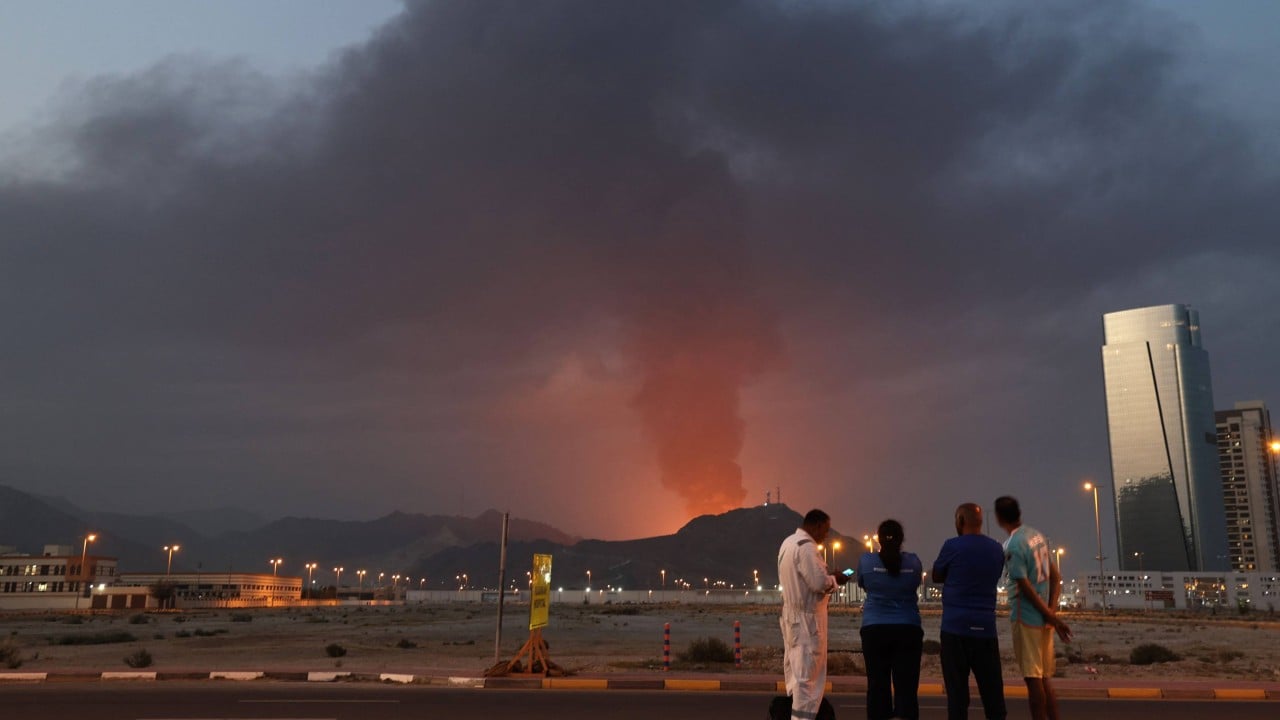
Concerns over remittance flows have escalated after the US warned against toll payments to Iran for ship passage through the Strait of Hormuz, which has largely been blocked amid the ongoing conflict between the two countries.
Advertisement
“There has been a quiet but noticeable informal pivot among South Asian migrant workers, including a significant number from India, towards digital tokens such as stablecoins in the period following the Iran conflict,” said Anndy Lian, a Singapore-based adviser to governments on blockchain and information technology.
“Rather than routing everything through traditional dollar-linked banking channels, a slice of remittances is now moving via instruments like USDT,” he said, referring to the Tether stablecoin backed by the US dollar.
Advertisement
A stablecoin is a type of cryptocurrency designed to maintain a stable value by pegging it to a reserve asset, which could be a fiat currency or other assets, such as gold.
Don't Miss:
-
A Total of 13 Mass Graves Have Been Found in Viesca Containing the Charred Remains of Men and Women
-
Jorge Luis Zambrano, alias “Rasquiña”
-
El Taliban Fell In Mazatlán… And What He Confessed Ties Everything Together
-
Inside the Camp at the Heart of Honduras’ Garífuna Land Struggle
-
This Is How the MataZetas Captured and Executed the Zetas