
 Rick Claypool on Pay to Play Corporate Crime Enforcement
  Labaton Launches Whistleblower Practice with Former SEC Acting Chair Allison Herren Lee
  Kremlin payment firm A7 has been pumping billions in ‘untraceable’ cash into global financial system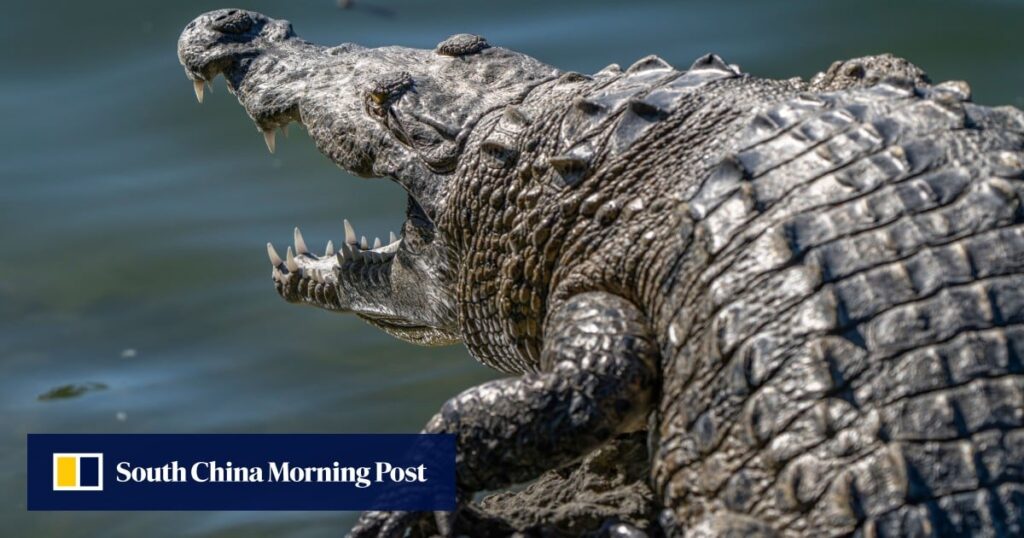
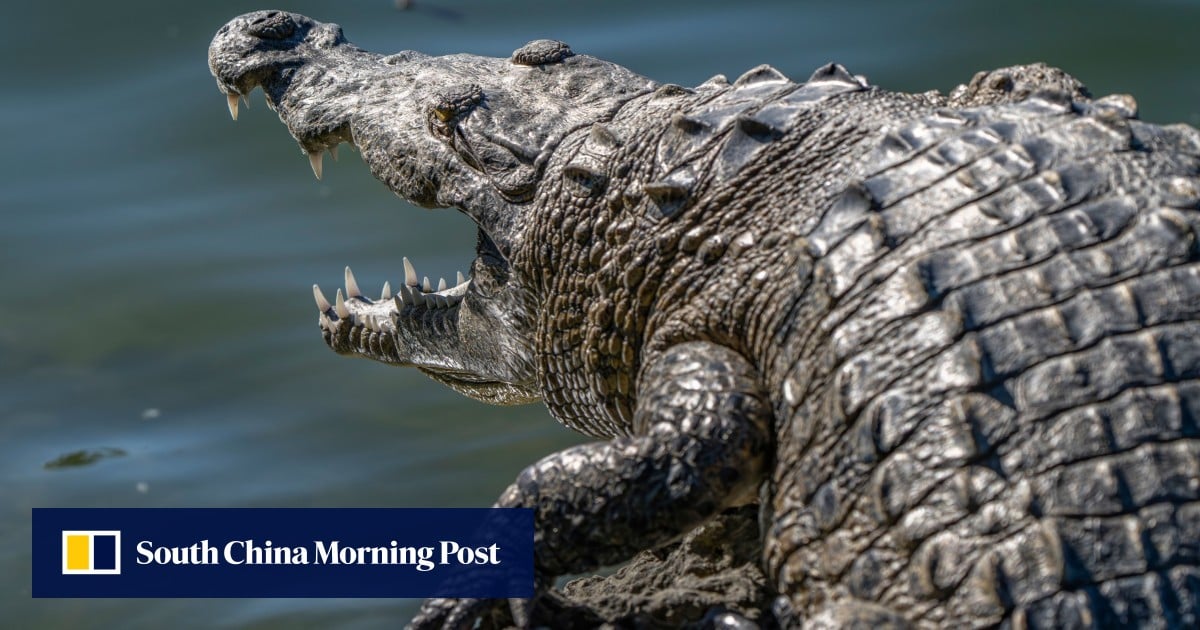
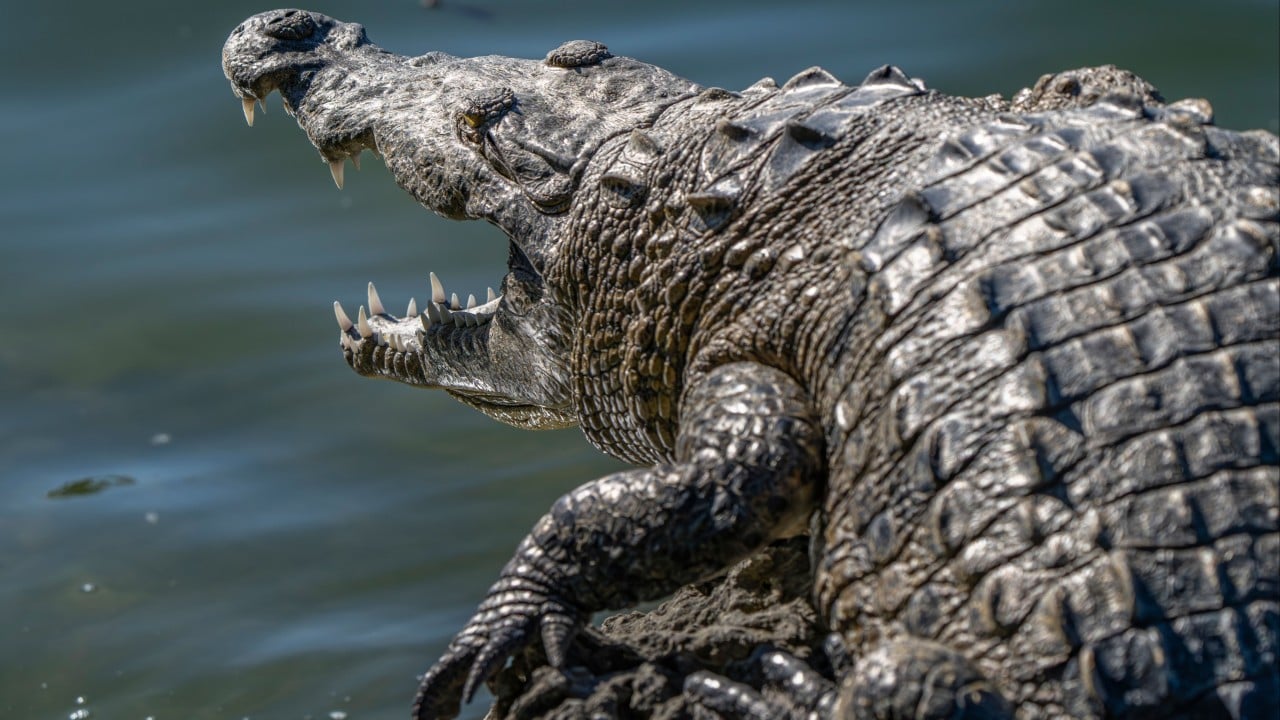
The team – led by associate research fellow Zhaoxiu Jiang at Ningbo University – based their design on the asymmetric, overlapping scales of crocodile skin, which provide a protective barrier against predators and other crocs.
Their research findings were published on March 25 in the peer-reviewed Chinese journal Acta Armamentarii.
Advertisement
“The asymmetric structure can indeed cause projectile deflection – that is an experimentally verified result,” Jiang said in an interview.
Instead of the conventional hexagonal ceramic tiles common in composite armour, the team built a mosaic of diamond-shaped alumina ceramic units arranged at 45-degree angles, bonded with epoxy resin onto an aluminium alloy backing plate.
Advertisement
Ceramic materials were used due to their hardness, high compressive strength and low density.
Don't Miss:
-
A Total of 13 Mass Graves Have Been Found in Viesca Containing the Charred Remains of Men and Women
-
Jorge Luis Zambrano, alias “Rasquiña”
-
El Taliban Fell In Mazatlán… And What He Confessed Ties Everything Together
-
Inside the Camp at the Heart of Honduras’ Garífuna Land Struggle
-
This Is How the MataZetas Captured and Executed the Zetas