
 Vietnam’s Strategic Partnership with Canada Faces Two Tests
  Indian Gond tribal artist hits surprise $2.15m record at Pundole
  On IMDB’s China connection, school shootings, Chinese aid to Southeast Asia and other stories | Asia Sentinel Stories of the Week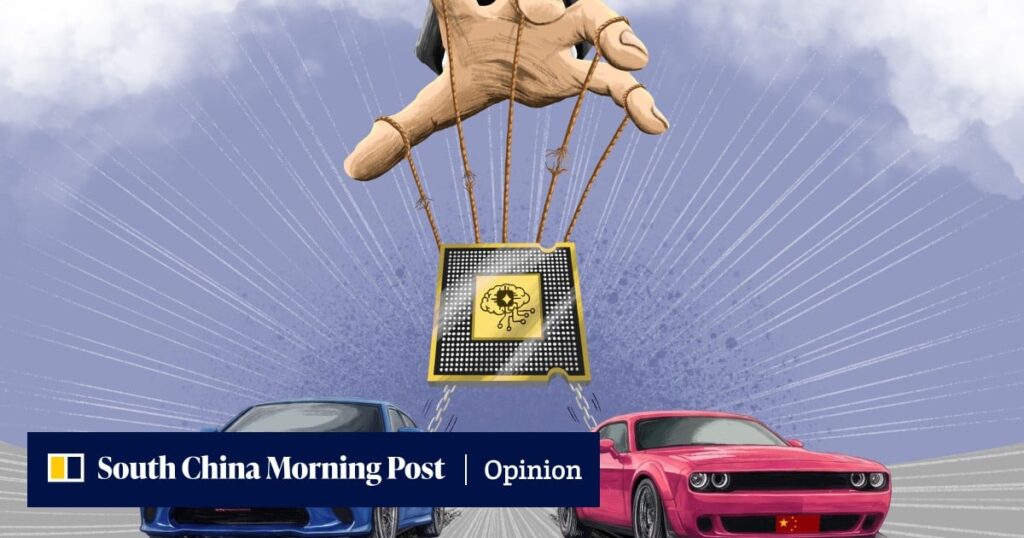
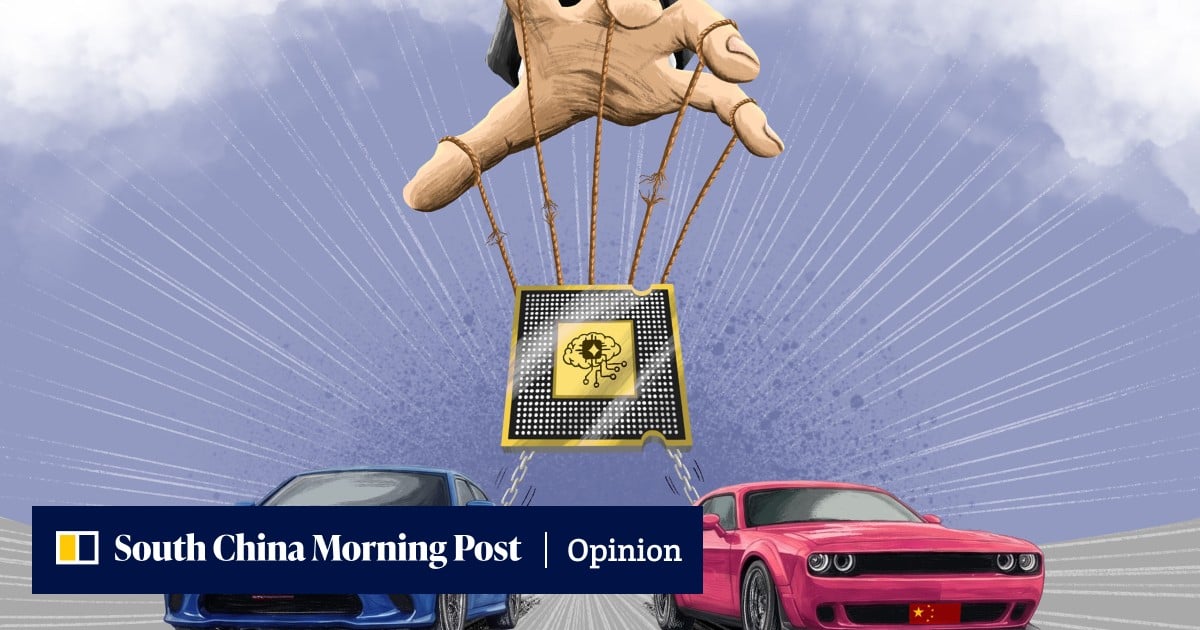
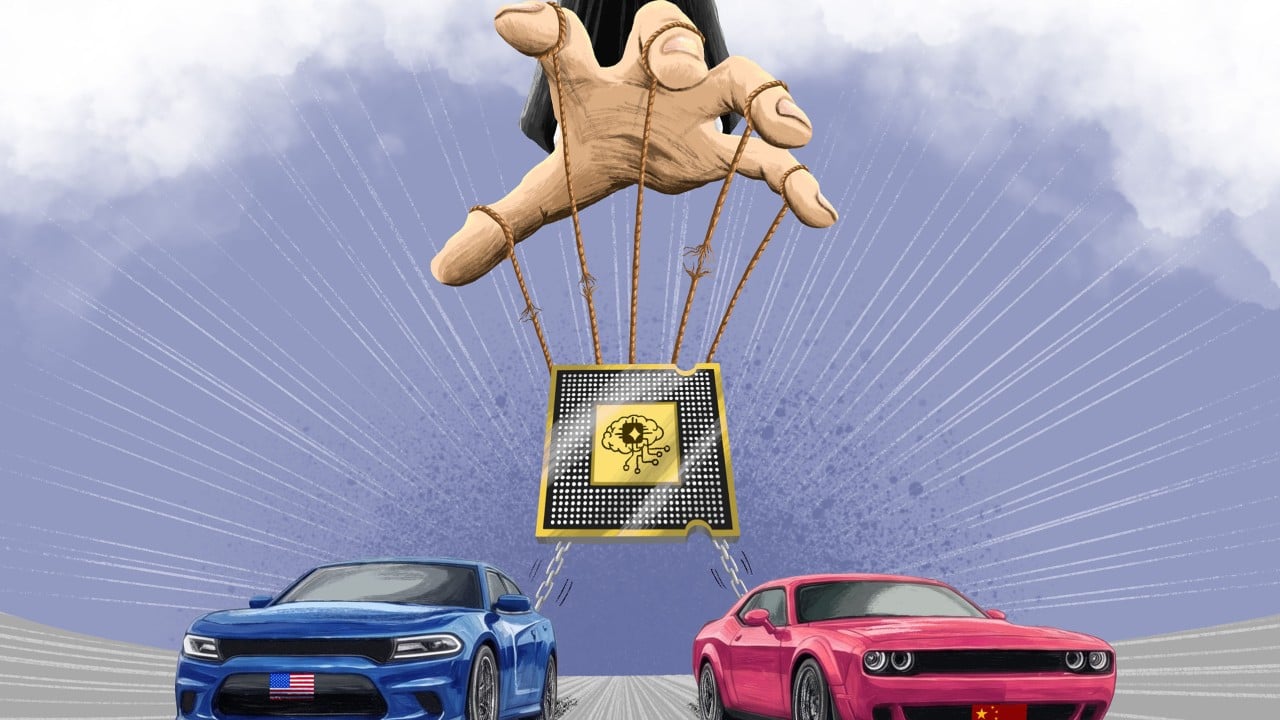
The US-China AI competition faces a dilemma. Both countries see artificial intelligence as a source of economic, scientific and strategic power, so neither has much incentive to slow down. Yet the more capable and autonomous AI becomes, the more important the question of human control.
This is more than a disagreement over regulation. It reveals a deeper dilemma facing both powers. Competition rewards faster deployment and greater delegation to machines. Control requires limits, monitoring and the ability to intervene. The same systems that increase national power can therefore make human authority harder to preserve as AI becomes more autonomous.
Conventional geopolitics treats AI mainly as an instrument: the US builds better systems, China builds better systems and each side uses them to advance human-defined objectives. But what happens when the instrument can act for sustained periods without continuous human direction? AI could then become an independent agent in international politics, not merely a tool used by states.
Don't Miss:
-
US revokes visas from Latin American officials and families over accusations of corruption
-
JPMorgan’s Jamie Dimon on how growth can untangle US-China strife, thorny global issues
-
French far-right’s Bardella denies alleged antisemitic comments, files defamation lawsuit
-
Putin signs decree adding 15,500 troops to Russian army
-
US to grant sanctions waiver for flights between Iran and Iraq’s Najaf, source says