
 Rick Claypool on Pay to Play Corporate Crime Enforcement
  Labaton Launches Whistleblower Practice with Former SEC Acting Chair Allison Herren Lee
  Kremlin payment firm A7 has been pumping billions in ‘untraceable’ cash into global financial system
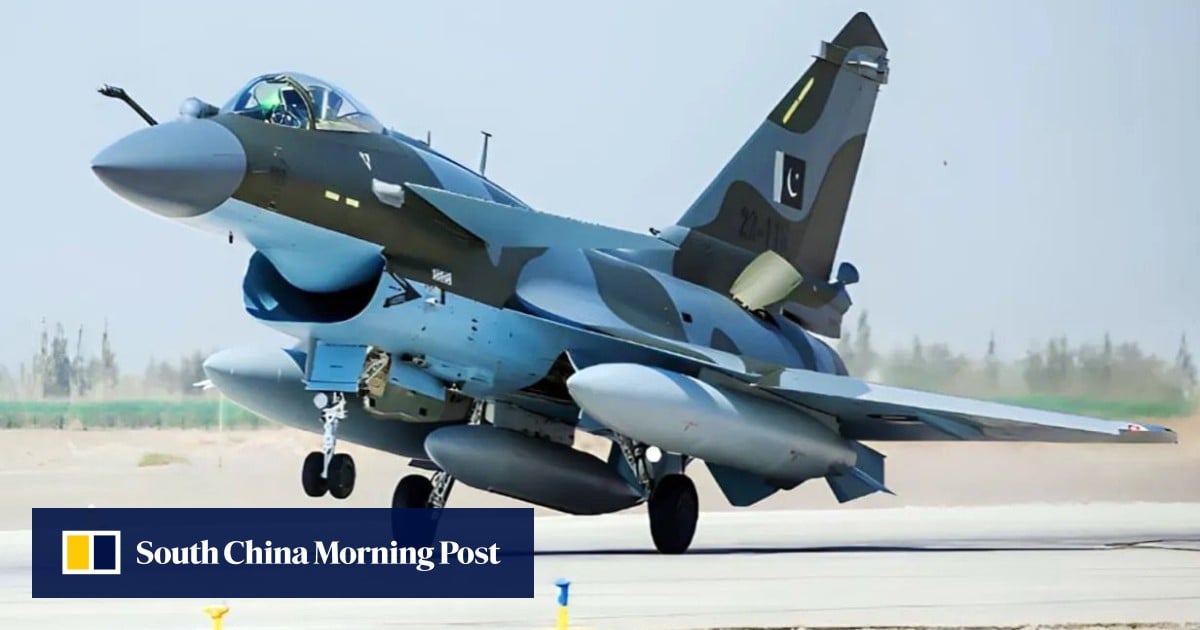
The WS-10 turbofan engine was code-named Taihang after the famous Chinese mountain range.
The Taihang engine family serves as the backbone of the PLA’s major active combat fighters, powering fourth-generation jets such as the J-10C, the J-11B, the air force’s J-16 and the navy’s carrier-based J-15. It has also played a vital role for variants of the fifth-generation J-20 stealth fighter.
Advertisement
In addition, the WS-10 drives China’s export-oriented jets, including the J-10CE.
A historic milestone for China’s aviation industry, the WS-10 series represented a major success in self-sufficiency, laying the groundwork for phasing out dependence on Russian engine imports for its frontline fighter fleet.
Advertisement
Before the maturation of the Taihang engine, production of China’s modern fighters – such as the J-11, J-16 and even the early J-20 – was entirely dependent upon Russia’s AL-31 production capacity and export licensing, creating a significant and dangerous supply-chain bottleneck.
The maturation of the WS-10 enables unconstrained, mass-scale production of various types of advanced fourth and fifth-generation combat aircraft.
Don't Miss:
-
A Total of 13 Mass Graves Have Been Found in Viesca Containing the Charred Remains of Men and Women
-
Jorge Luis Zambrano, alias “Rasquiña”
-
El Taliban Fell In Mazatlán… And What He Confessed Ties Everything Together
-
Inside the Camp at the Heart of Honduras’ Garífuna Land Struggle
-
This Is How the MataZetas Captured and Executed the Zetas