
 When Great Powers Talk, Who Speaks for Asia
  About the China Capital investigation
  Frequently asked questions about the China Capital investigation
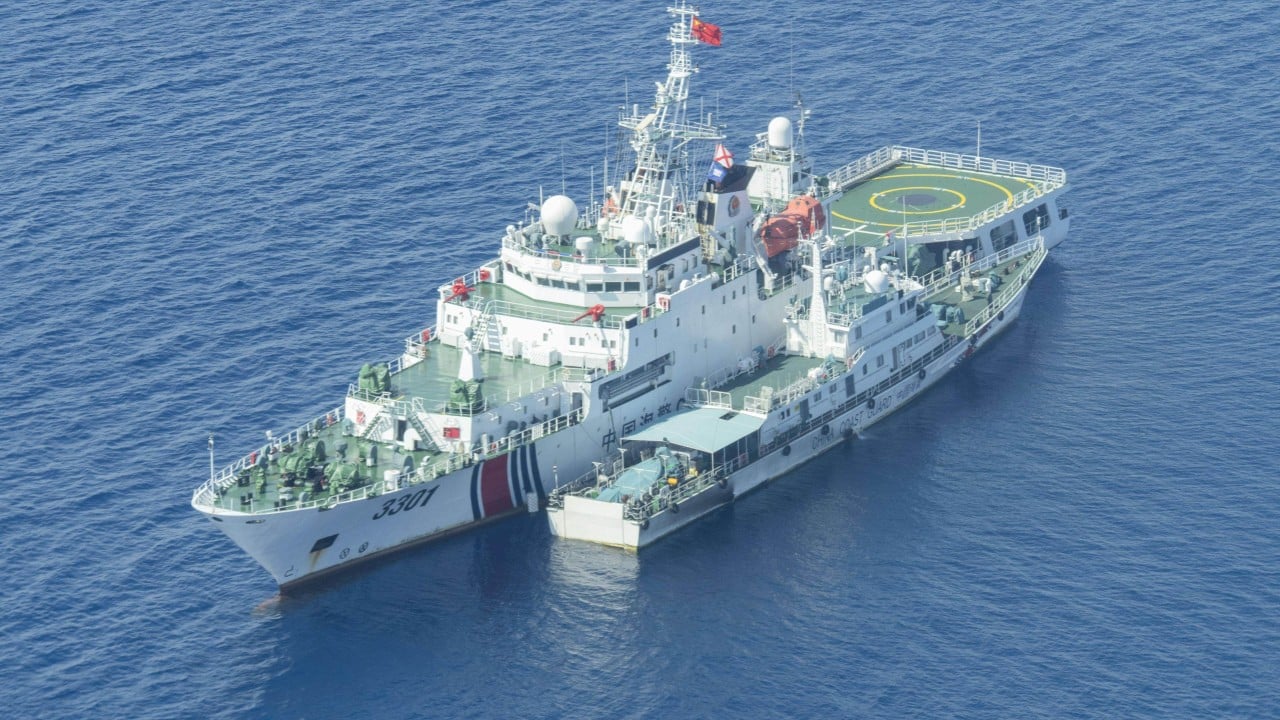
 A decade after a South China Sea ruling, analysts said Beijing should continue engaging in good-faith diplomacy and explore international mediation, arguing that the unenforced ruling had failed to curb rising regional maritime tensions.
On the ruling’s 10-year anniversary, a coalition of 14 countries led by the United States and the Philippines in a joint statement called it “legally binding and definitive”, while criticising Beijing for refusing to recognise or implement it.
In a strongly worded response on the same day, Beijing described US-led military deployments as the “primary threat” to regional peace in the South China Sea.
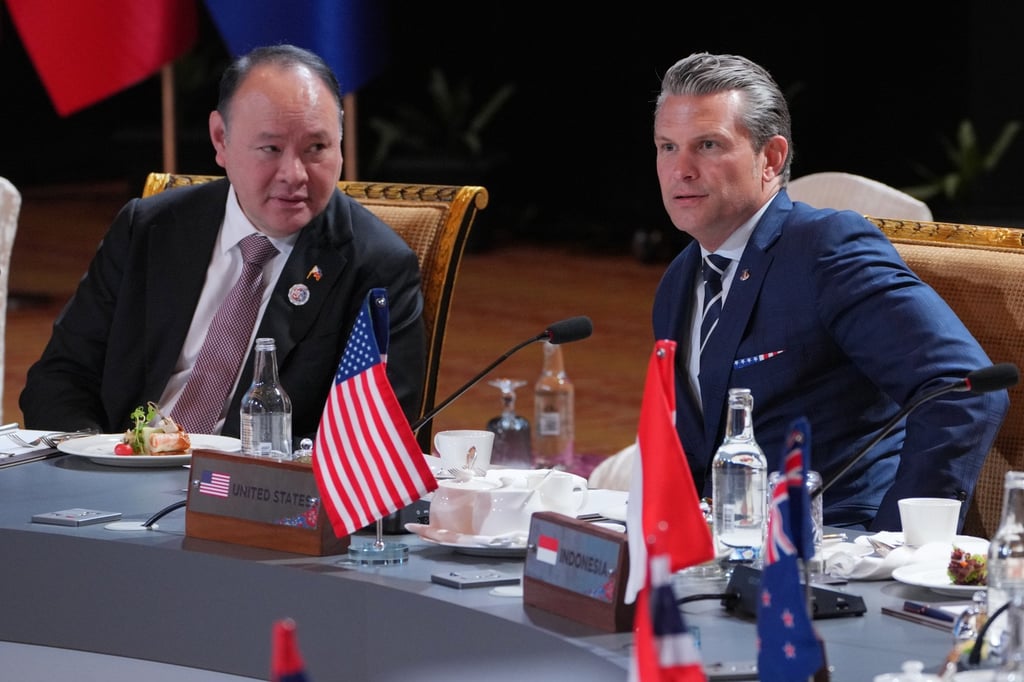
China dismissed The Hague ruling as “null and void”, calling it a politically motivated process that lacked state consent. It has also refused to recognise the tribunal’s authority to hear the case and said it would not implement its findings.
Don't Miss:
-
China urges ‘constructive dialogue’ with EU in high-level call with France
-
Hong Kong airport builds third runway with strategy to help marine environment thrive
-
Cambodia, Thailand take US$300 billion seabed dispute to UN
-
Hong Kong visitor arrivals hit post-pandemic monthly high in August
-
Indonesian finance minister found out about his firing in mid-meeting phone call