
 Tunisian court dismisses case to dissolve publisher of ICIJ partner Inkyfada
  Prabowo Faces Growing Discontent as Jokowi Revives His Political Ambitions
  Five years after the Pandora Papers, transparency laws lose their teeth
Regardless of which methodology ultimately prevails, the debate has exposed a gap between contractual requirements and operational reality. What should site managers do when local conditions appear unsafe but the official warning framework does not respond accordingly?
The latest generation of construction contracts increasingly recognises extreme heat as a potential ground for extension of time claims. However, such relief is linked to the Labour Department’s Heat Stress at Work Warning system.
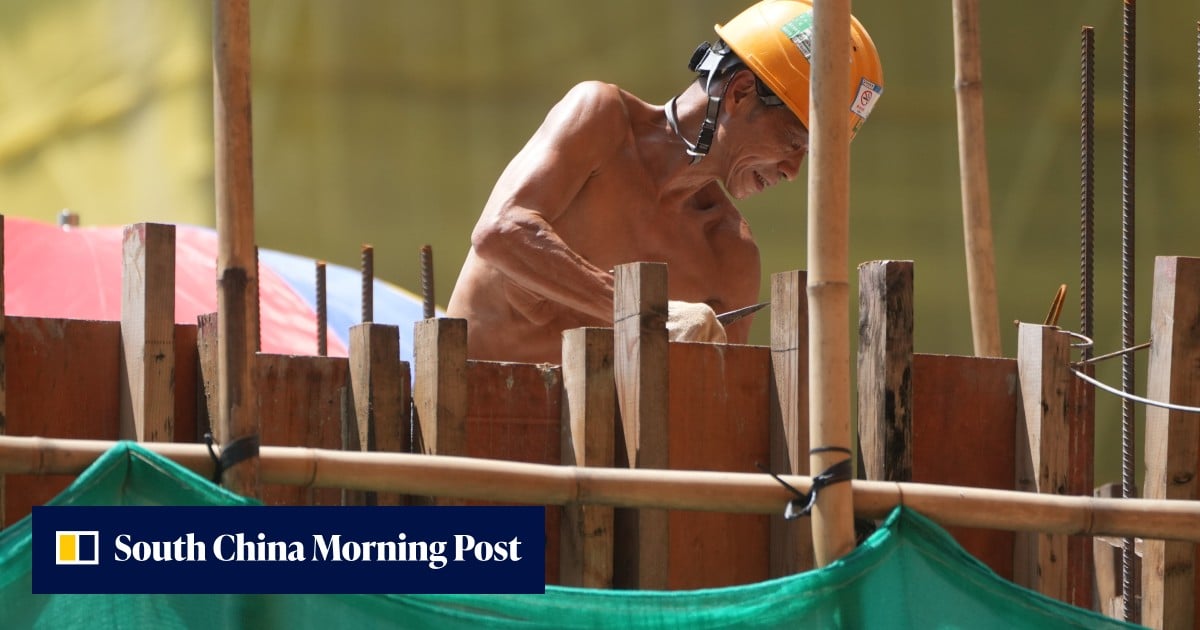
That helps explain why the heat on August 9 raised concern. Despite temperatures reaching 39.8 degrees Celsius (103.6 Fahrenheit) in Sheung Shui, the Heat Stress at Work Warning remained at amber, the lowest level. Site managers who believed stronger precautions were warranted could have found themselves without the higher-level official trigger on which contractual protections depend.
The core issue the Labour Department needs to address is what happens when a site manager believes conditions on the ground warrant stronger precautions, but the official trigger on which contractual protections depend is absent.
Don't Miss:
-
Fight at Mazatlán Prison Leaves 10 Dead: A 2-Year-Old Boy Died During a Family Visit
-
Veracruz Mafia vs. CJNG: The Fight for Veracruz
-
Former Michoacán Official Used AI for Extortion: Here’s How They Cloned the Voices of Politicians and Ministers
-
Two Years On, the Sinaloa Cartel War Changes Shape | The InSight Take
-
US wraps up military mission in Iraq, giving Baghdad room to strengthen China ties