
 Beyond the Bipolar Binary: The New Art of Sovereign Resilience
  Michael Marx on Corporate Campaigns in the USA
  Losing language and culture in Xinjiang
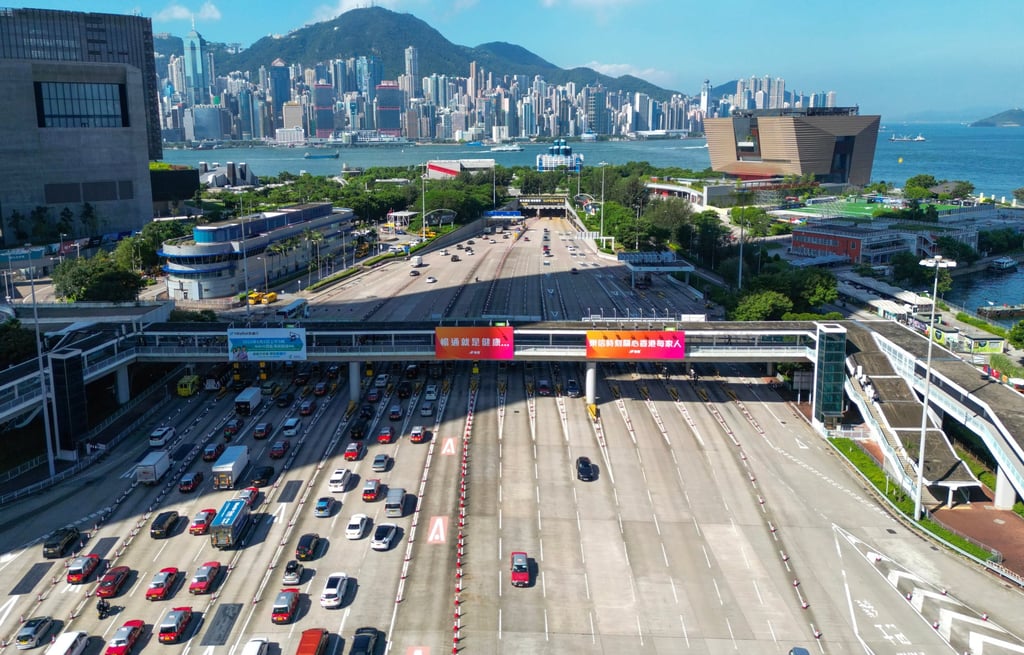
 Tolls at Hong Kong’s three cross-harbour tunnels could be adjusted in the future after traffic volumes exceeded pre-reform peaks, 2½ years after time-varying charges were introduced, transport authorities have said.
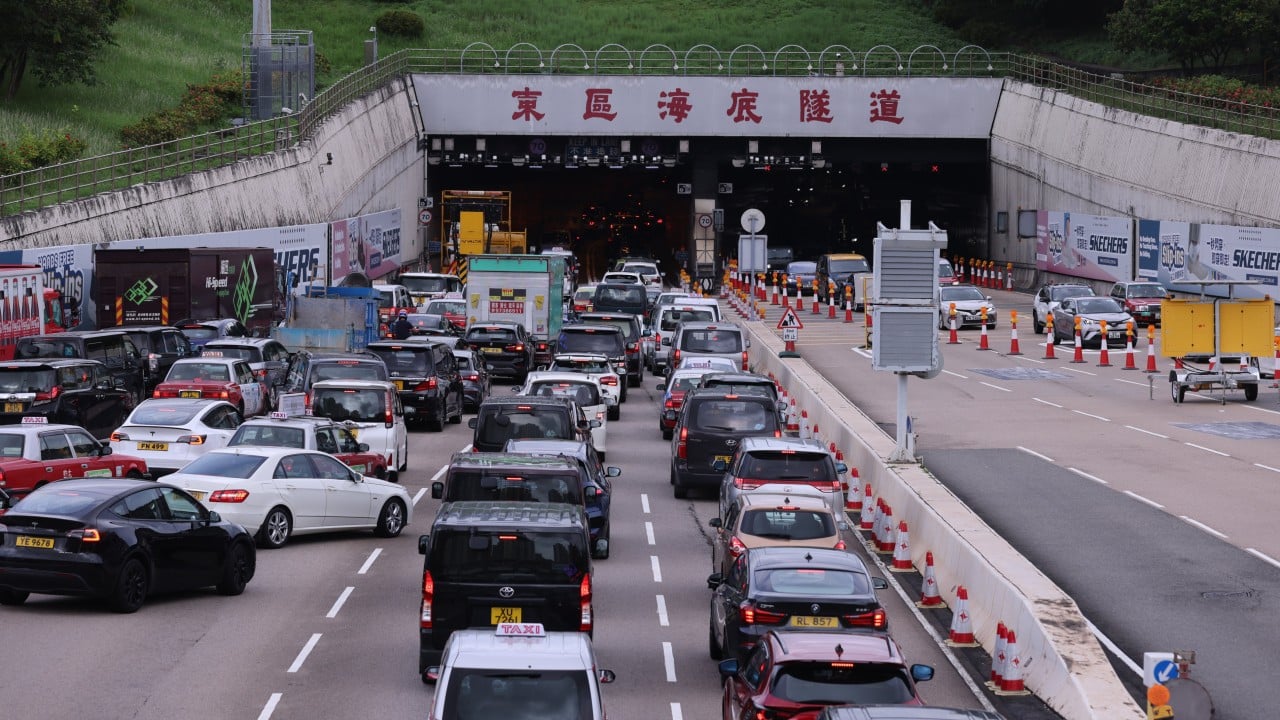
A Transport Department paper submitted to the Legislative Council said tolls would need to remain flexible in the future because queues during some peak periods were still spilling onto connecting roads and non-tunnel lanes.
“Total traffic volume across the three harbour crossings has already exceeded the peak level recorded before the implementation of time-varying tolls,” the paper said.
It also said that while overall peak-hour conditions remained better than before the scheme was introduced, congestion at certain times continued to affect connecting routes and non-cross-harbour traffic.
“Adjustments to the time-varying toll structure may therefore be required in the future to respond to changing times,” it added.
The department also warned that the behavioural impact of the initial toll levels would gradually diminish amid economic growth and inflation, reducing their effectiveness in managing traffic.
Don't Miss:
-
A Blow to the Caborca Cartel! ‘El Cara de Cochi,’ Wanted in the U.S. for Fentanyl, Is Captured
-
Tiguerones Leader ‘Willy’ Is Living Free in Spain
-
Video Shows CJNG Member Burying Landmine in Apatzingán, Michoacán
-
Explosives Workshop Raided after Shootout in Balleza, Chihuahua
-
The Eccentric Extravagances of “Captain Sol”: 12 Properties, a Penthouse in Tulum, and Casino Spending