
 From Propagandist to Criminal
  On Indonesia’s fires, El Nino’s impact on the power sector, and other stories | Asia Sentinel Stories of the Week
  WATCH: Inside the China Capital investigation — a live panel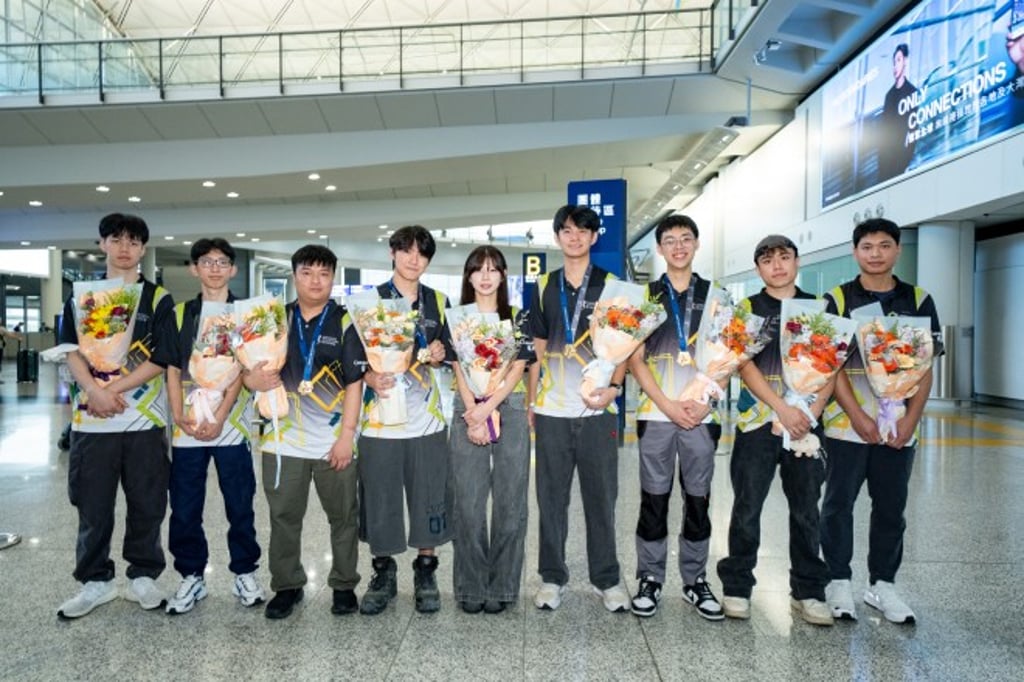
About 1,400 competitors aged 22 or under from more than 70 WorldSkills members competed across 64 skills.
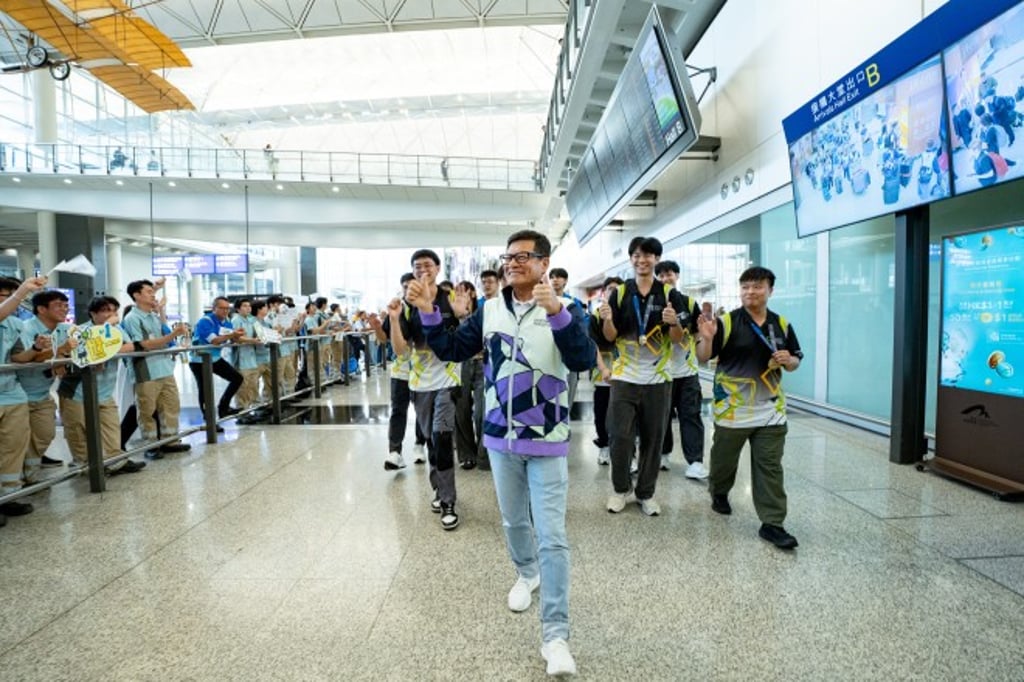
According to Cheng, the value of WorldSkills also comes from giving young tradespeople a chance to find out how far their skills can take them.
Construction companies should give skilled tradespeople clearer positions on their grade charts, allowing a young welder, joiner or other craftsperson to see a path towards supervisory and leadership roles without assuming that a university degree is the only way forward, he said.
The four-day concrete competition provided perhaps the squad’s most dramatic turnaround.
Huang and Wan said they had been among the fastest competitors over the first two days. But one of the pair became unwell on the second day, forcing them to discuss tactics with their expert before the next session.
Then, on the third afternoon, their concrete pour failed. Wet concrete spilled across the slab. “The whole floor was concrete,” one of the pair said. “We wanted to cry. We did not pack it in.”
They rebuilt the work layer by layer and recovered sufficiently to record the highest mark in the steel-fixing section. They finished fourth overall and secured a Medallion for Excellence, about 13 points behind first place.
Their expert, James Li, had previously described the pair as having contrasting temperaments, with trust between them becoming particularly important during the competition.
The concrete module also demanded skills across several areas. Cheng said competitors had to work with aluminium, steel and timber formwork as well as steel fixing and concrete pouring.
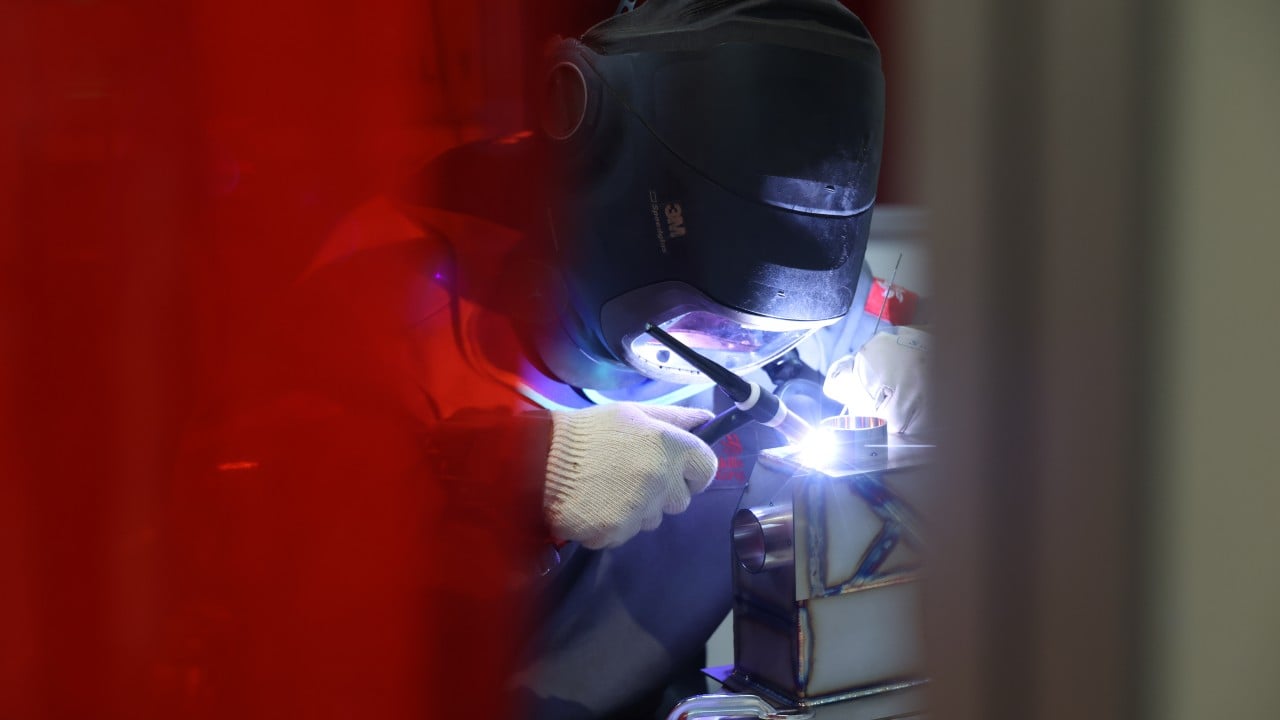
Tse’s welding competition produced another CIC honour.
Unlike most members of the squad, he joined from paid welding work rather than as a Hong Kong Institute of Construction student.
Before Shanghai, Tse had identified pipework and X-ray inspection as areas where marks could be lost. He said afterwards that all three of his X-ray inspections exceeded the standard he had set himself.
Cheng said Tse also performed well in both X-ray and pressure testing.
Official results put Tse on 716 points, placing him 11th on the same score as another competitor. The gold medallist scored 735.
Tse said he hoped to return to the Institute to pass on what he had learned, while also gaining experience on construction sites.
The CIC has now won welding honours at three successive WorldSkills competitions, in 2022, 2024 and 2026.
Law completed the trio of Medallion winners in painting and decorating.
He said the four-day competition had presented difficulties along the way, but he had worked through them and intended to continue in the trade.
Other competitors said their performances had surpassed what they had achieved in training.
Huang Tsz-ho, who had paused a social-science degree to train, represented Hong Kong in joinery. He said he found a wood course online and that some practice days ran to more than ten hours.
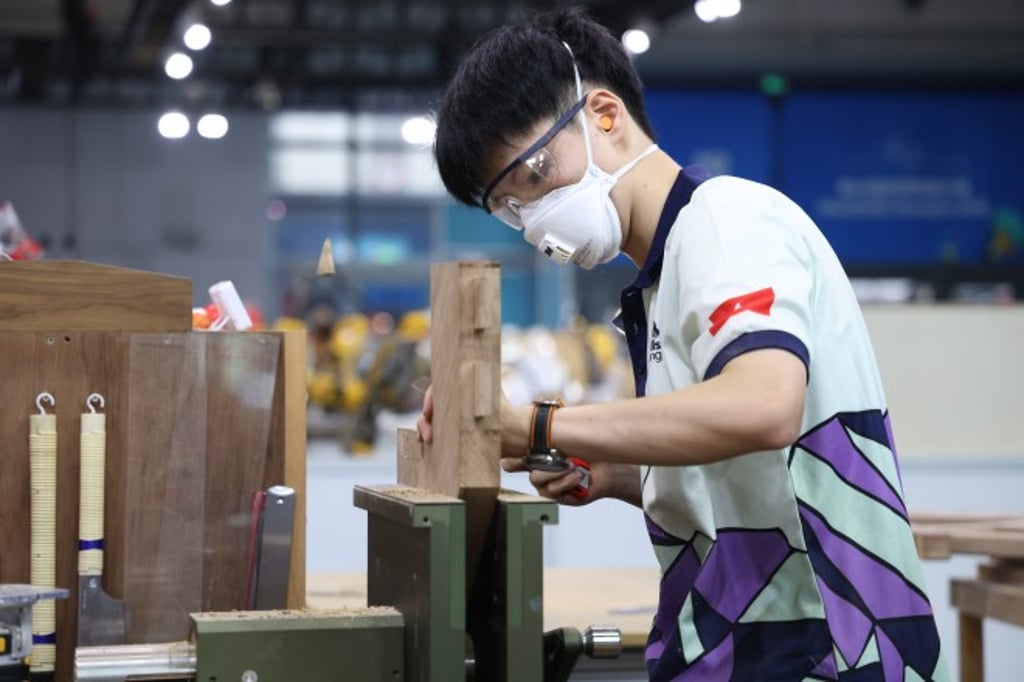
A mock competition hall was set up at the Hong Kong Institute of Construction’s Sheung Shui campus to match the specifications of the WorldSkills venue. Public trial events were also staged so competitors could become accustomed to working in front of spectators.
The squad later trained with partner institutes in Beijing, Zhejiang, Guangdong, Chongqing and Shanghai.
Some training days ran from early morning until 10pm or 11pm. The CIC also uses each WorldSkills cycle to study overseas techniques, equipment and standards and feed relevant lessons back into HKIC training.
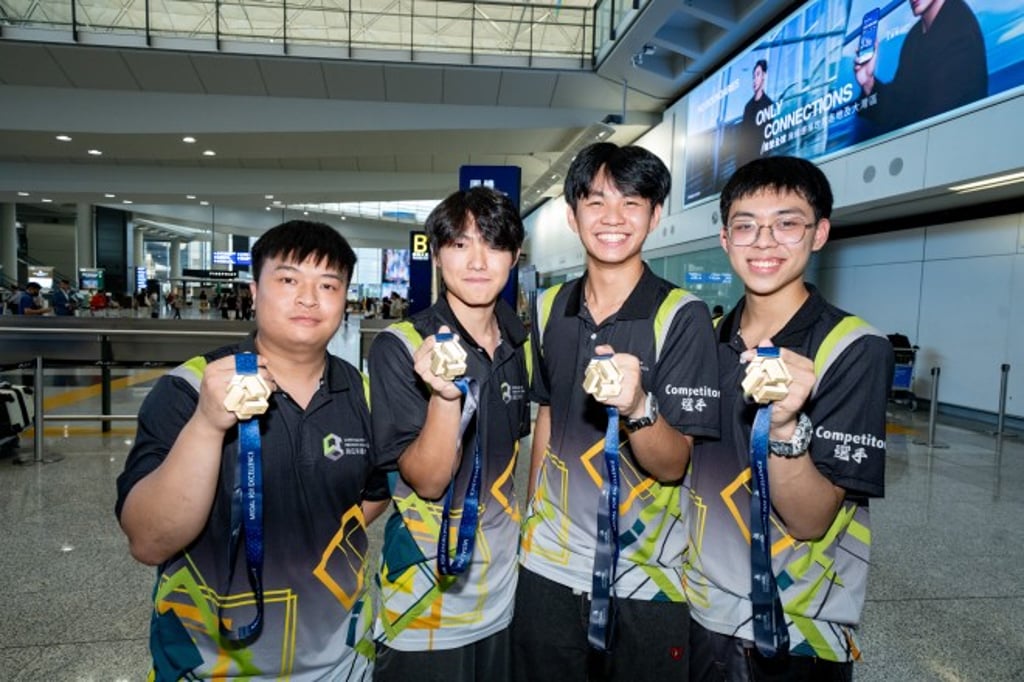
The CIC first took part in WorldSkills in 1997 and has now collected 10 Medallions for Excellence, including three in Shanghai. Lyon in 2024 brought honours in welding and joinery.
Competitors who want to enter the industry will be helped to find work, while further training is available in areas including BIM and robot operation.
Cheng added that the two years of preparation had also changed the nine competitors, who returned from Shanghai speaking more readily and with greater confidence than when they were selected.
The 49th WorldSkills Competition will be held in Aichi Prefecture, Japan, in November 2028.
Advertisement
Don't Miss:
-
Ukraine believes Russia shared jet-drone technology with North Korea, says Zelensky
-
UK Green Party adopts ‘Zionism is racism’ policy, drawing backlash from Israel
-
Supporters of Imran Khan begin ‘long march’ to Islamabad
-
1,500 Hong Kong residents tour revamped Huanggang Port border crossing
-
Hotstone Yoga closure losses rise to HK$7.8 million as 694 customers file reports