
 From Iran to China: An Emerging Trans-Central Asian Corridor
  New documents show how a retail chain’s sales practices helped put guns on US streets
  Singapore a battleground of commodities fraud lawsuits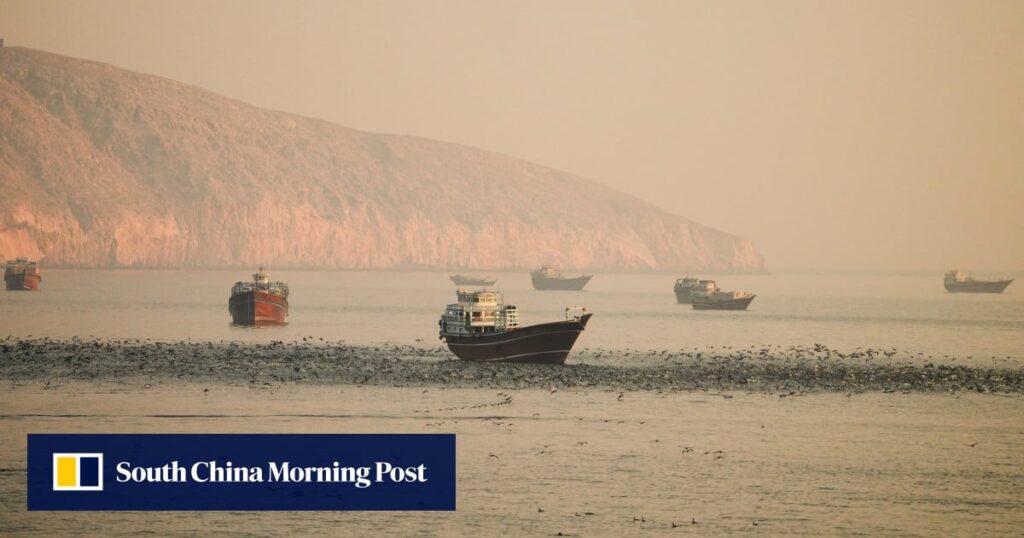
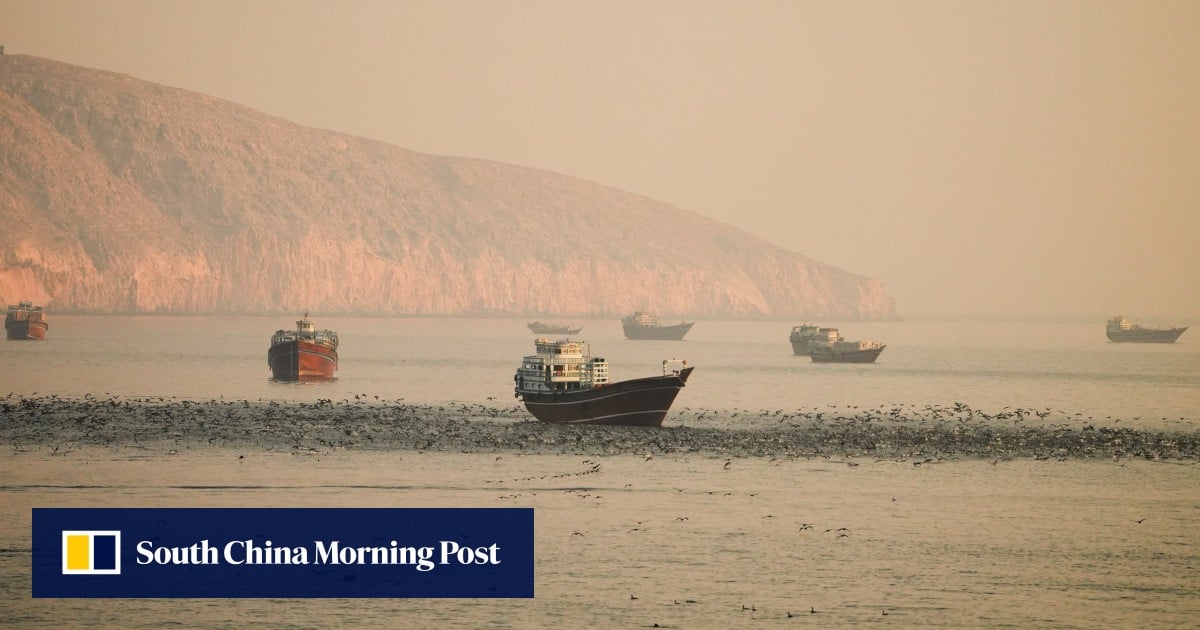
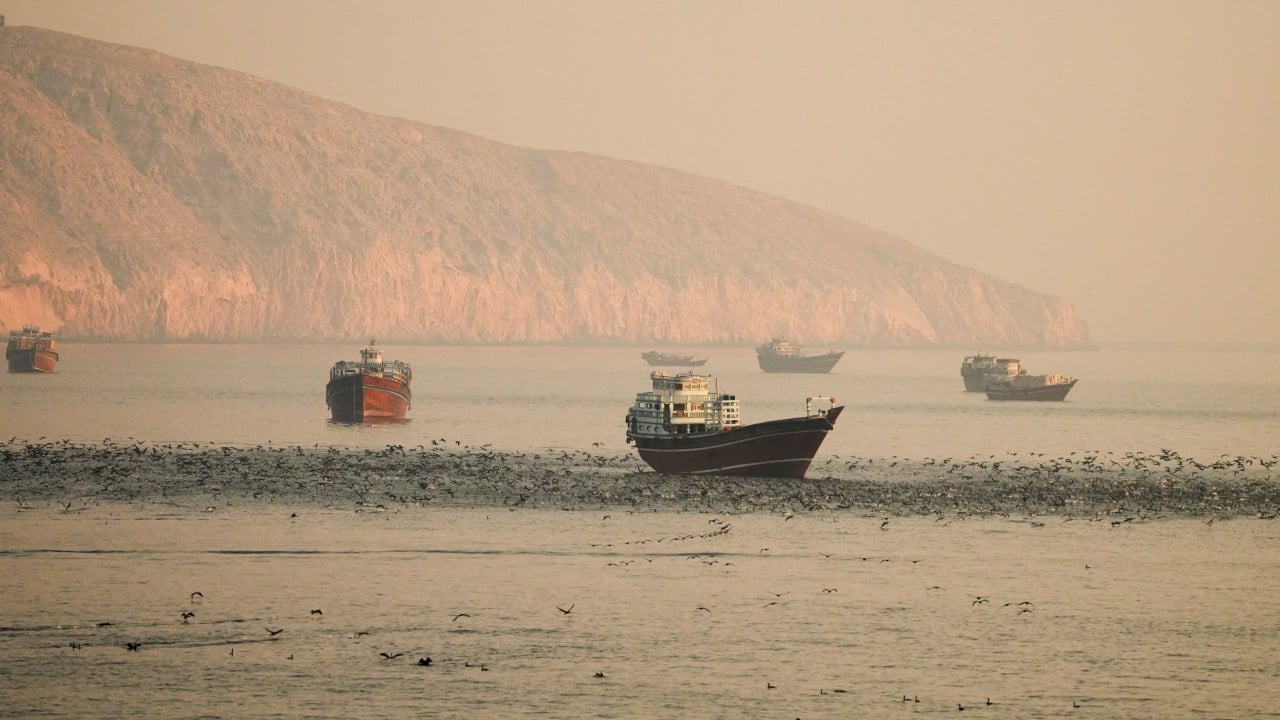
Observers say the summit could revive pressure on Seoul to join international efforts – potentially including the deployment of naval mine-sweeping capabilities – to safeguard freedom of navigation through the strait, a vital energy chokepoint between the Persian Gulf and the Gulf of Oman.
Advertisement
In March, Trump urged South Korea and other affected countries to send ships to help keep the strait open, while Washington later proposed the Maritime Freedom Construct, a framework aimed at improving coordination and information-sharing among partners on maritime security in Hormuz.
Seoul has also taken part in discussions around a separate UK- and France-led coalition, forcing it to weigh competing diplomatic expectations against the military and logistical risks of operating in the Gulf.
“South Korea is likely to come under renewed pressure to take part in international maritime initiatives”, one led by the United States and the other by the United Kingdom and France, Doo Jin-ho, director of the Eurasia Research Centre at the Korea Research Institute for National Strategy, told This Week in Asia.
Don't Miss:
-
Hong Kong approves average fee hikes of up to 4.75 per cent for non-public schools
-
4 Indonesian seamen kidnapped by Somali pirates return home
-
UK police arrest seventh man linked to security incident at US-run airbase
-
Iván Cazarín Molina, alias “El Tanque”, Alleged CJNG Operator Active in Several States, Arrested
-
Iceland is ‘critical outpost’ for security, Rubio says during visit