
 Manila’s EV ambitions confront economic and energy realities
  Tunisian court dismisses case to dissolve publisher of ICIJ partner Inkyfada
  Prabowo Faces Growing Discontent as Jokowi Revives His Political Ambitions
 Hong Kong’s lawmaker for the sports sector has urged authorities to focus on ensuring fair access to AI rather than attempting to restrict its use, arguing that the technology has increasingly reshaped athlete development and competitions.
Speaking at a World Economic Forum panel in mainland China’s Dalian on Tuesday, Kenneth Fok Kai-kong said that artificial intelligence (AI) was transforming sports in ways that differed from past technological advances.
Such changes had made it difficult to regulate the technology’s use and also raised questions about fairness, he said.
“It’s not like wearing a suit or not wearing a suit. You can’t see it in competition,” he said during a discussion on the future of sport, business and technology.
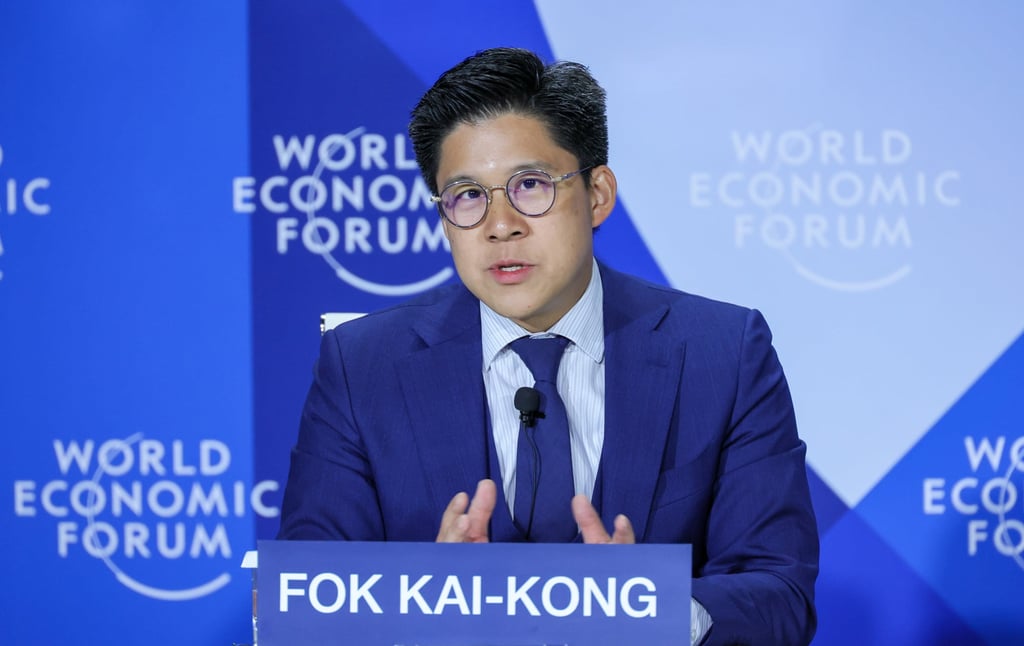
Fok, who represents Hong Kong’s sports, performing arts, culture and publishing sectors in the Legislative Council, said the issue was less about limiting the use of AI and more about ensuring athletes and countries had equal access to the new technology.
“Some nations may not have the newest and the best models. They might not have the newest and the best tools,” he said, adding that international federations and Olympic bodies should study AI’s impact on performance and address any resulting differences.
Don't Miss:
-
Explosives Workshop Raided after Shootout in Balleza, Chihuahua
-
The Eccentric Extravagances of “Captain Sol”: 12 Properties, a Penthouse in Tulum, and Casino Spending
-
Fight at Mazatlán Prison Leaves 10 Dead: A 2-Year-Old Boy Died During a Family Visit
-
Veracruz Mafia vs. CJNG: The Fight for Veracruz
-
Former Michoacán Official Used AI for Extortion: Here’s How They Cloned the Voices of Politicians and Ministers