
 From Iran to China: An Emerging Trans-Central Asian Corridor
  New documents show how a retail chain’s sales practices helped put guns on US streets
  Singapore a battleground of commodities fraud lawsuits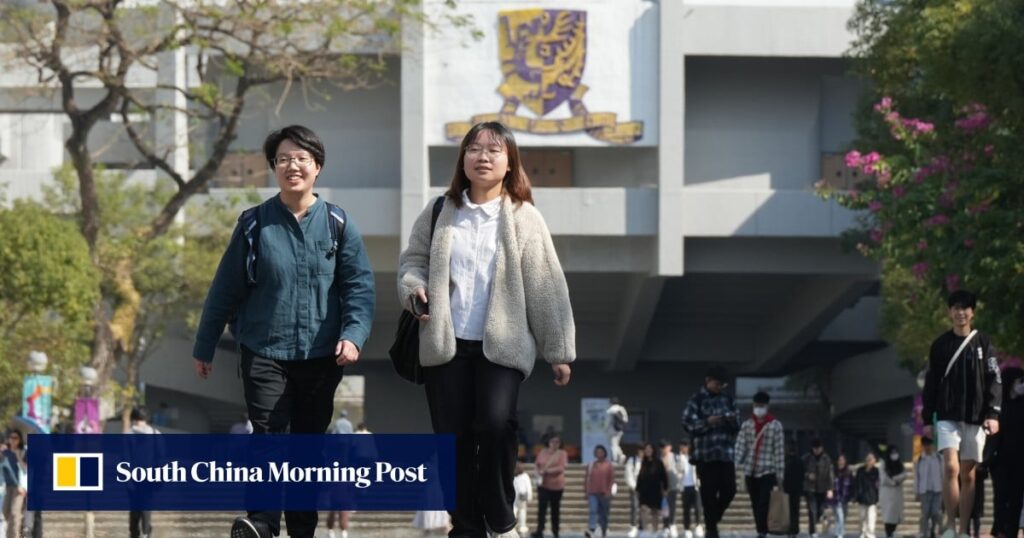
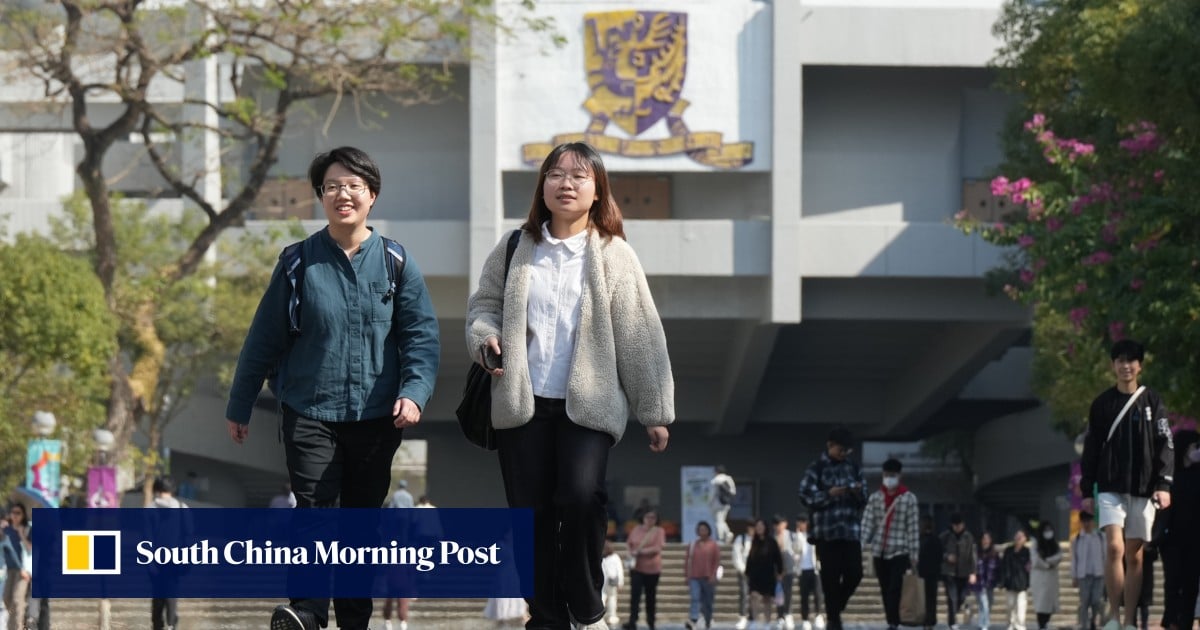
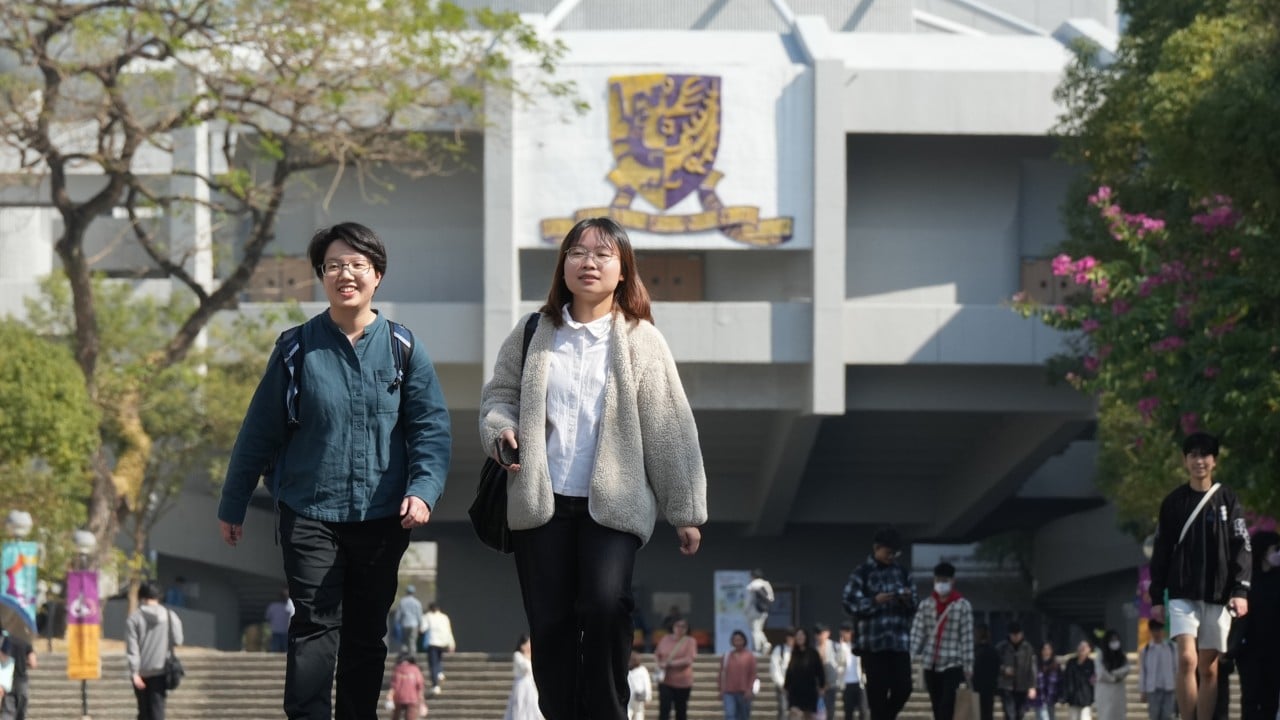
The Chinese University of Hong Kong (CUHK), the city’s second oldest university, has said it will reform its mandatory General Education programme for undergraduates by integrating national education with a global perspective, as well as concepts of innovation, entrepreneurship and sustainability, into its curriculum.
The intiative was announced on Thursday as part of the university’s new five-year strategic plan, which charts its direction and development between 2026 and 2030.
It is the first five-year plan under the leadership of president Dennis Lo Yuk-ming, a distinguished molecular biologist, who took on the role in January 2025.
In a booklet introducing the plan, CUHK said the reformed General Education programme, a mandatory course for all undergraduates, would broaden students’ knowledge by “enhancing National Education and a systematic understanding of modern China, complemented with a robust global outlook”.
Under its five-year plan, CUHK said it would focus on five strategic areas: talent attraction and development, institutional development, global and alumni engagement, education and student experience, and research and innovation.
The university would strengthen cooperation with its Shenzhen campus and other institutions in the Greater Bay Area, expand its internship programmes and “support students’ physical and mental development and lifelong learning”.
It would also start a flagship international undergraduate programme and develop initiatives to nurture talent in various fields.
Don't Miss:
-
Hong Kong approves average fee hikes of up to 4.75 per cent for non-public schools
-
4 Indonesian seamen kidnapped by Somali pirates return home
-
UK police arrest seventh man linked to security incident at US-run airbase
-
Iván Cazarín Molina, alias “El Tanque”, Alleged CJNG Operator Active in Several States, Arrested
-
Iceland is ‘critical outpost’ for security, Rubio says during visit