
 El Niño changes Southeast Asia’s power sector trajectory
  Gunvor publicly condemned Russia’s war but continued to do business with Russian energy firms, records show
  Growing Defense Ties between India and Japan
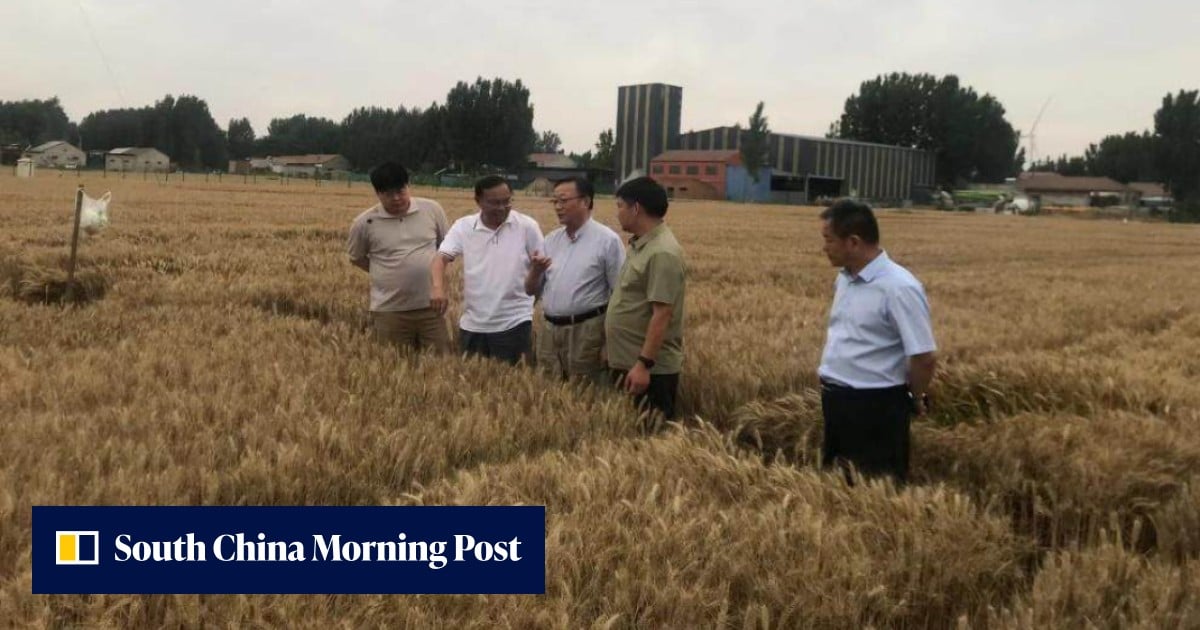
Large-scale field trials across China show that irrigation water treated with natural minerals radiated by sunlight could dramatically increase the yields of several crops, according to Chinese scientists behind the experiments.
The team said the trials, including on rice, wheat, soybeans, peanuts, sweet potatoes, sugar cane and vegetables, improved photosynthetic efficiency.
Their study, conducted from Heilongjiang province in northeastern China to Hainan province in the south, recorded yield increases of up to 40.6 per cent for rice, 24.7 per cent for wheat and 45.7 per cent for sugar cane, according to the scientists who said one sweet potato trial recorded an increase of 109.5 per cent.
Lu Anhuai, the lead scientist of the team and a professor at the School of Earth and Space Sciences at Peking University, said the approach could offer alternative ways of increasing agricultural production, such as improved crop varieties and fertilisers, by using irrigation water to improve how efficiently plants use sunlight.
“This is a new track,” Lu said in an interview on September 22.
Don't Miss:
-
Taiwan coastguard uses water cannons to warn off mainland Chinese fishing vessel
-
King Charles to acknowledge ‘darkest days’ of colonial rule on Caribbean tour
-
New York governor attacks handling of Cornell gang rape case, appoints special prosecutor
-
Off-duty senior ambulanceman dies after abseiling fall on Kowloon Peak
-
2 Hongkongers held in Philippines for months after prison terms end