
 Five years after the Pandora Papers, transparency laws lose their teeth
  How Hungary’s richest man funneled millions into Orbán’s propaganda machine
  How Real Is the US Withdrawal from the Middle East?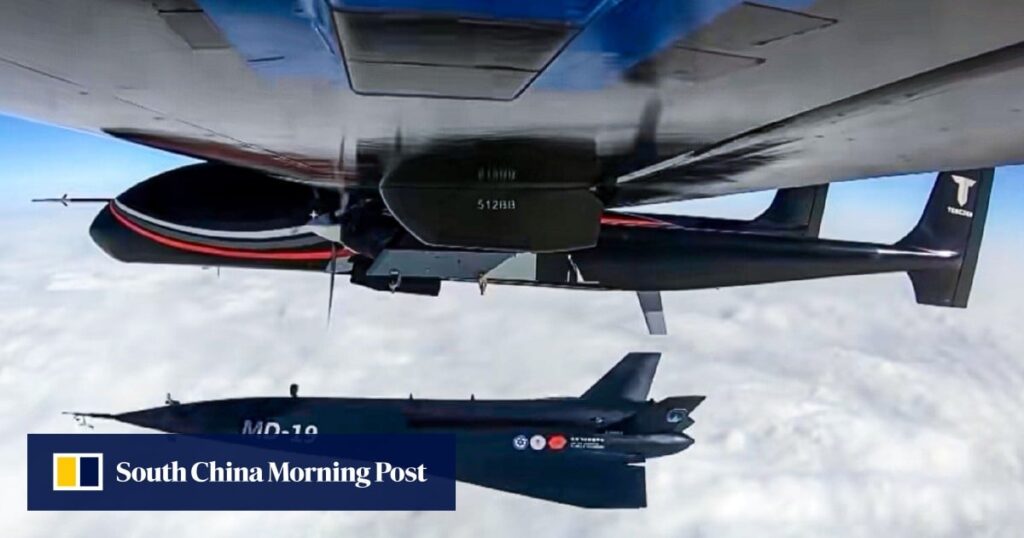
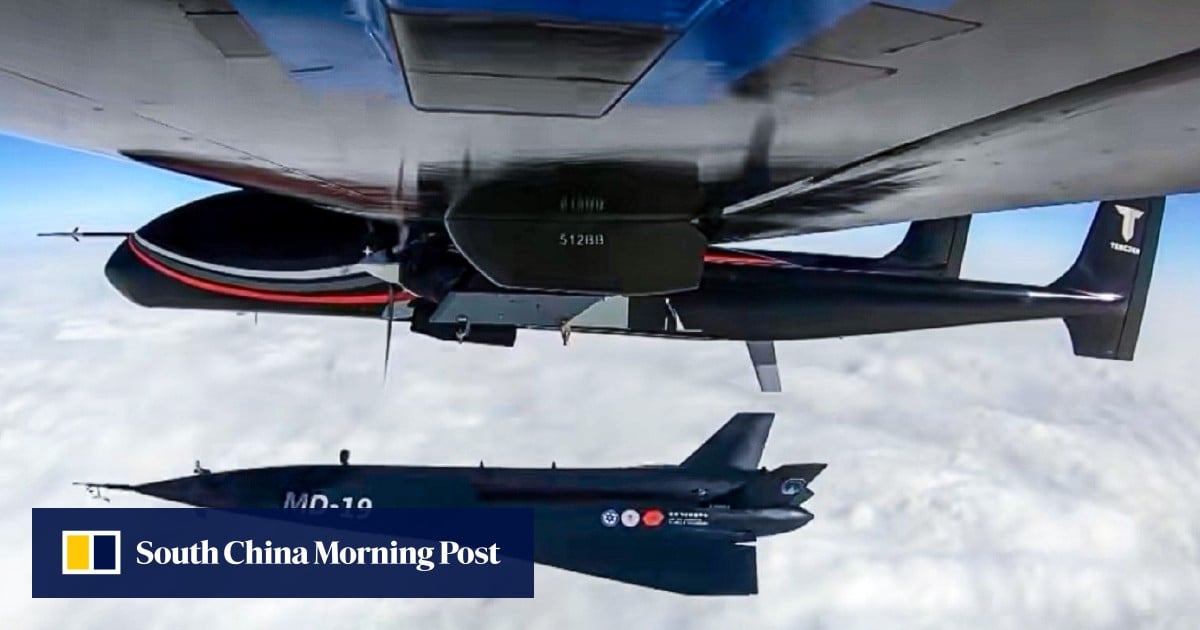
Could this be a new nightmare for the US Navy? Possibly, if a new ambitious low-altitude hypersonic flight research programme launched by the Chinese Academy of Sciences (CAS) on Monday yields results.
The programme will look into the technology that could support the development of such weapons.
Advertisement
The project, funded under CAS’ Stable Support Programme for Basic Research Youth Teams, is led by the academy’s Institute of Mechanics in collaboration with the University of Science and Technology of China and the Ningbo Institute of Materials Technology and Engineering, China’s top-tier institutes with a track record of solving world-class problems.
Advertisement
To function on the battlefield, these vehicles must withstand extreme aerodynamic heating, severe drag and complex shock-wave interactions, while guidance systems may have to operate through intense electromagnetic disturbances generated by hypersonic flight.
China has already deployed various hypersonic weapons, but these systems rely on high-altitude boost-glide trajectories or high-altitude cruise flight.
Don't Miss:
-
Two Years On, the Sinaloa Cartel War Changes Shape | The InSight Take
-
US wraps up military mission in Iraq, giving Baghdad room to strengthen China ties
-
As China and the EU begin crunch trade talks, optimism is in short supply
-
Data centre opposition is growing in Australia. Is there a middle ground?
-
Helper arrested for allegedly slapping 5-year-old boy after he refuses to eat