
 ICIJ journalist Micah Reddy freed after 4 days in secretive Djibouti custody
  IMDB’s China Connection
  Trump administration gave firm with ties to ballroom donor the green light to do business with a sanctioned Russian bank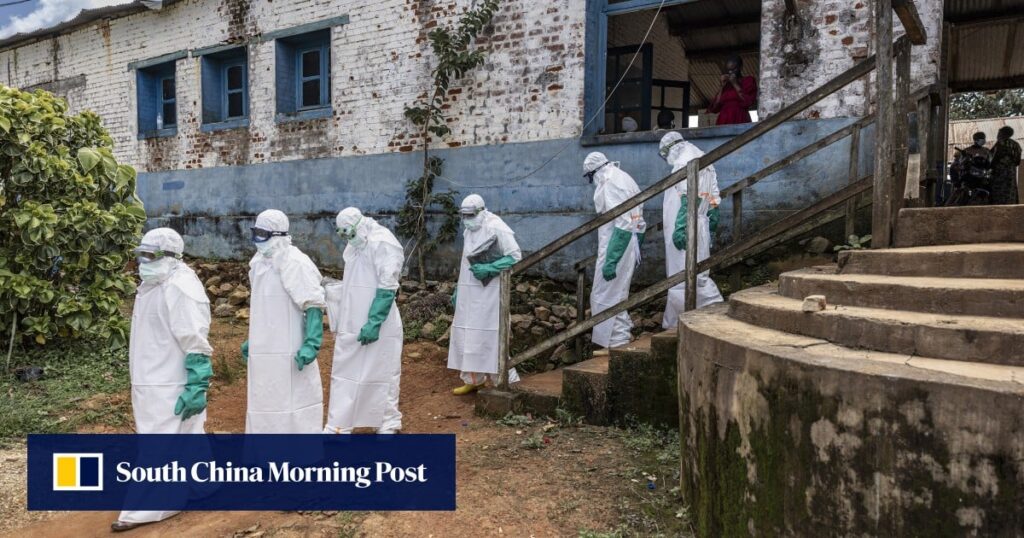
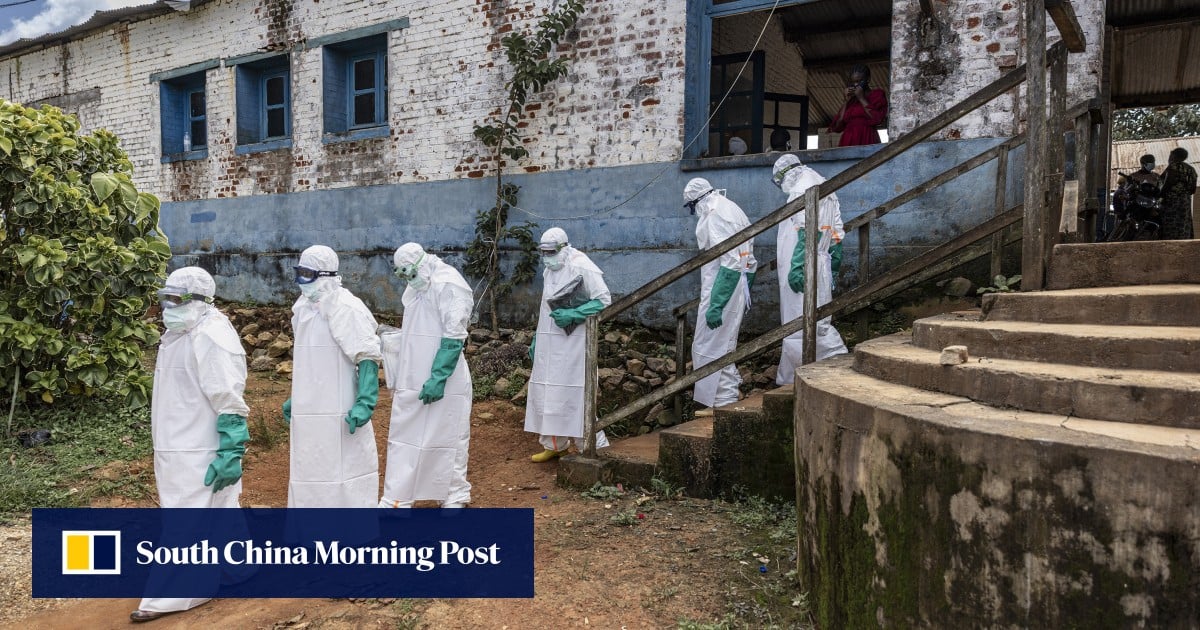
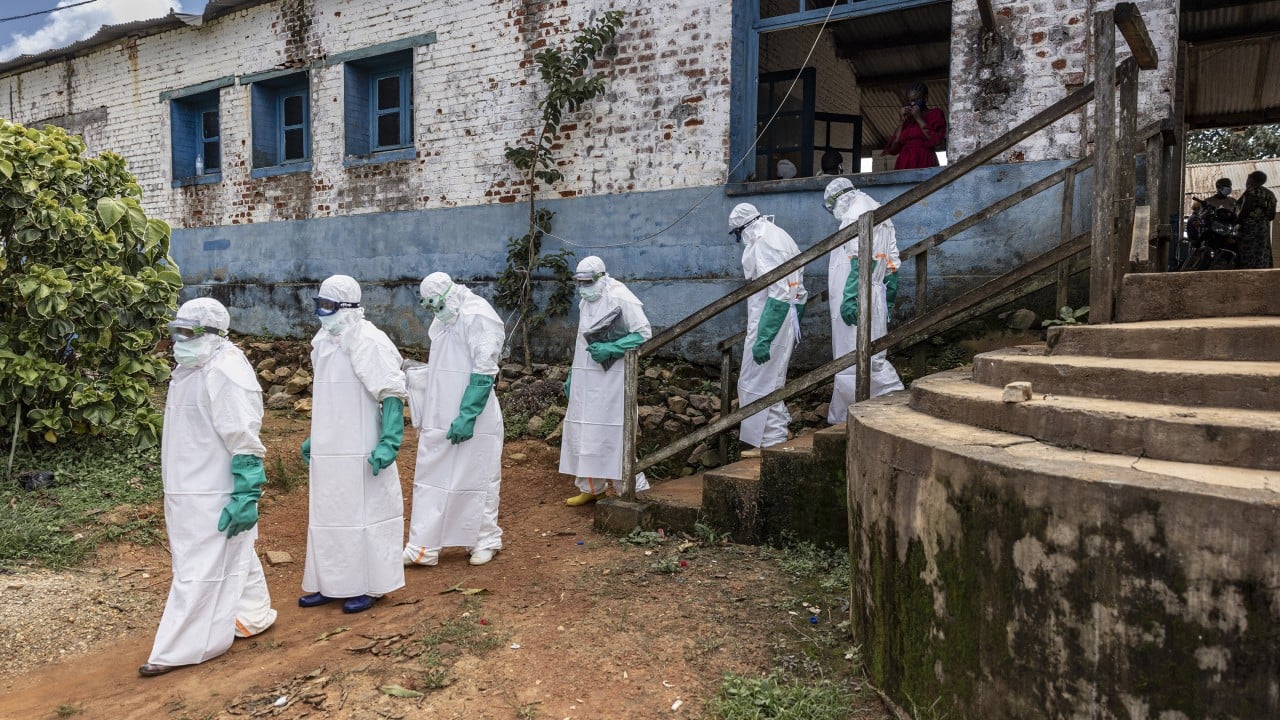
Dr. Richard Lokudu, the medical director of Mongbwalu General Referral Hospital, has received barely any compensation for his work on the front line of one of Congo’s deadliest Ebola virus outbreaks.
Lokudu and several of his colleagues work all day at the hospital treating an influx of patients. Notifications of suspected cases come even late at night.
“I have not received my allowance [and] what happened to others could happen to me as well,” Lokudu said. “Despite all the infection prevention and control measures we are implementing, we do not know what may happen.”
Advertisement
Health authorities believe the outbreak, which took the eastern region of Congo by surprise after spreading silently for weeks without detection, started in the bustling mining area of Mongbwalu in Ituri province.
Mining conditions conducive to virus spread
Mongbwalu has emerged as the epicentre of the rare Bundibugyo type. The town attracts large numbers of labourers who work in large gold mines with muddy pools of gold deposits, narrow pits and caves. They live in low-income areas including crowded camps and have little access to proper health protocols.
Advertisement
Don't Miss:
-
CUHK economist apologises over talk that examined women ‘marrying for money’
-
Trump defends Iran war, touts ‘America is back’ agenda in UN speech
-
Learning from Ukraine war, Chinese military doctors target injuries from drones
-
China names new Tibet party chief as Communist Party reshuffles regional leadership
-
Hong Kong workforce to shrink by 20,000 yearly as key sectors face shortages