
 How Real Is the US Withdrawal from the Middle East?
  From Iran to China: An Emerging Trans-Central Asian Corridor
  New documents show how a retail chain’s sales practices helped put guns on US streets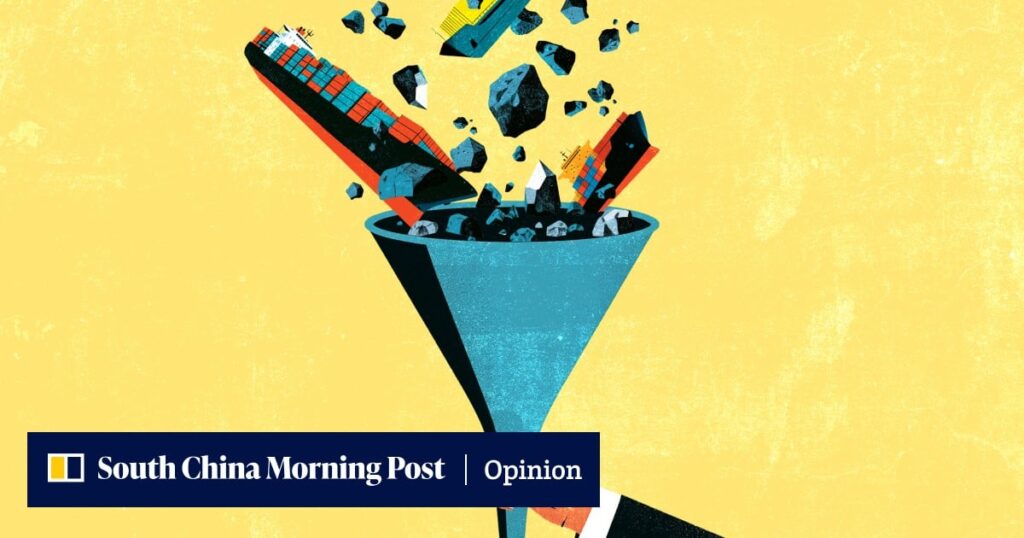
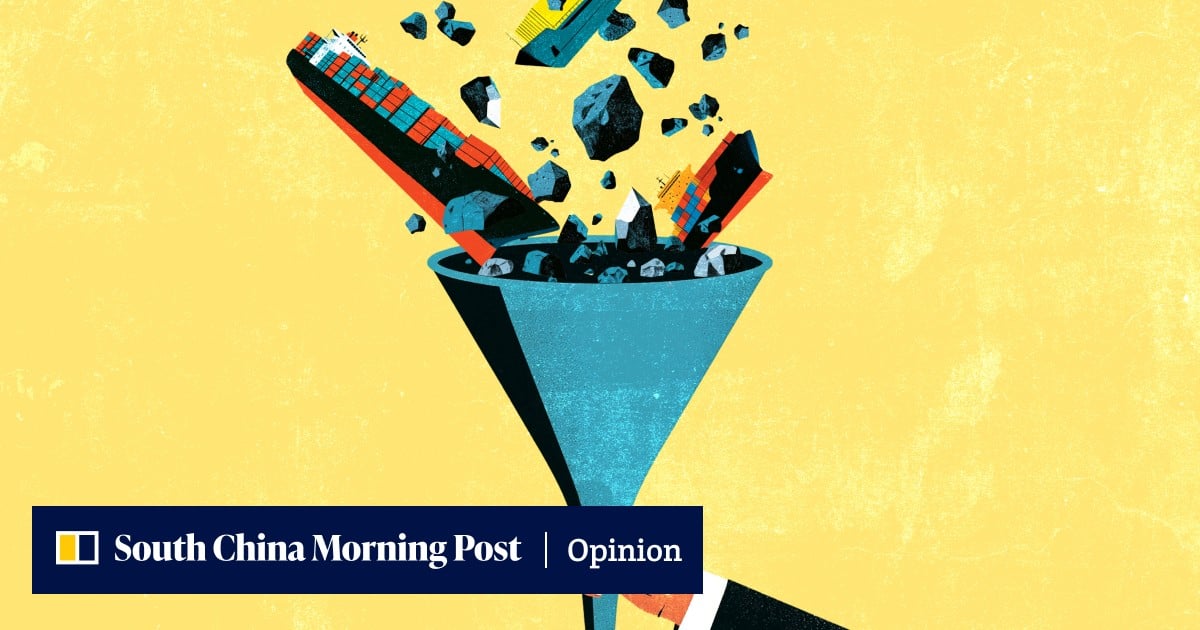
It exposed a question hidden inside every chokepoint. We usually ask where dependence is concentrated: a strait, mineral, technology, network. But three simpler questions matter. How much depends on it? What does it take to use it? Who decides?
The threshold of a chokepoint lies in the second question: what someone must risk, in blood, money, law or reputation, before leverage becomes action.
China has lived with the first question for more than two decades. In 2003, then president Hu Jintao warned that “certain major powers” could control the Strait of Malacca, exposing China’s dependence on imported energy. Beijing gave the anxiety a name: the “Malacca dilemma”.
Twenty years on, that fear has bought a navy. Malacca did not by itself drive Beijing’s naval build-up; Taiwan, territorial disputes and great-power competition all mattered. But vulnerability at sea helped define the problem. If you cannot control the passage, build enough capability to make anyone contemplating its closure think harder about the consequences.
Don't Miss:
-
Hong Kong finance chief says economy grew in third quarter, warns of external risks
-
Despite rising yields and political gridlock, France not facing a debt crisis: analysts
-
Nobel Chemistry Prize awarded to Henri B. Kagan and Kenso Soai
-
Ex-Buddhist monk who founded Thai Aids hospice convicted of embezzlement
-
Nasa releases striking image of dawn on Mars