
 How Real Is the US Withdrawal from the Middle East?
  From Iran to China: An Emerging Trans-Central Asian Corridor
  New documents show how a retail chain’s sales practices helped put guns on US streets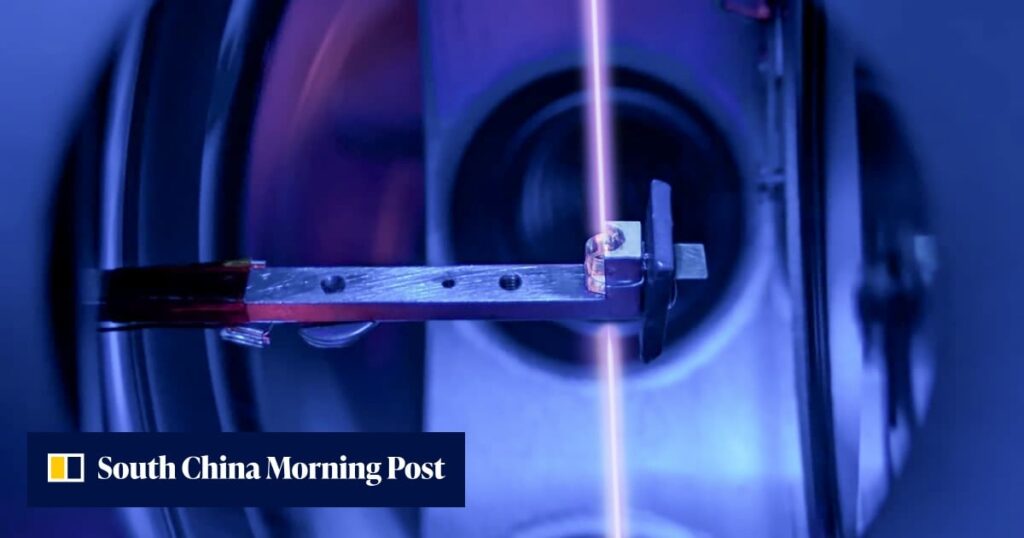
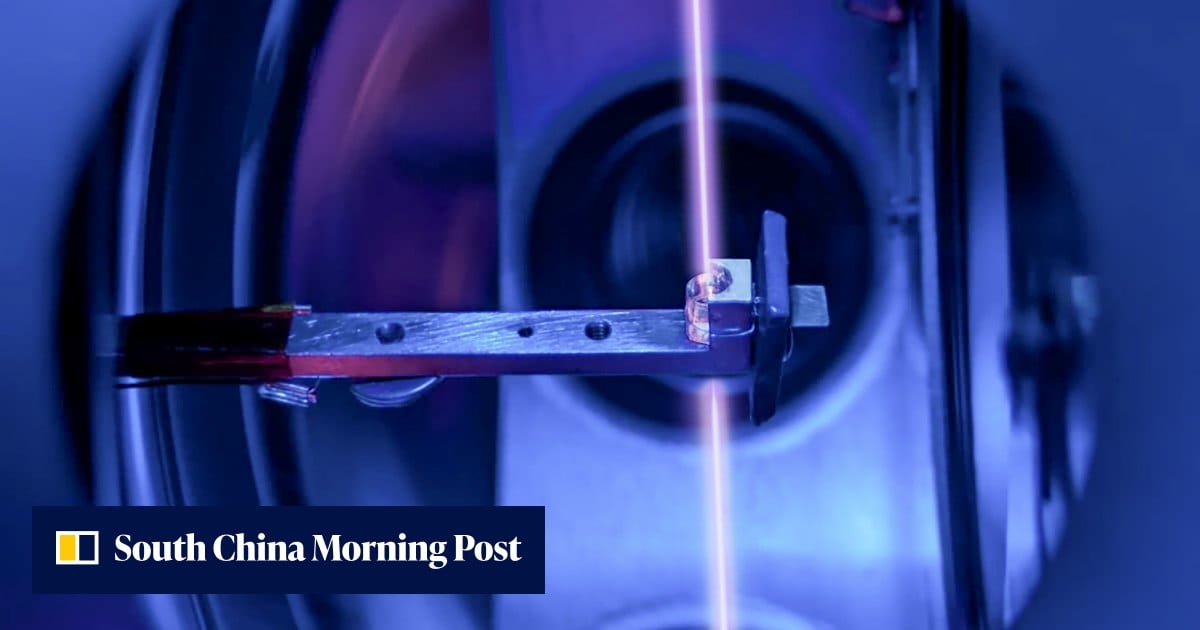
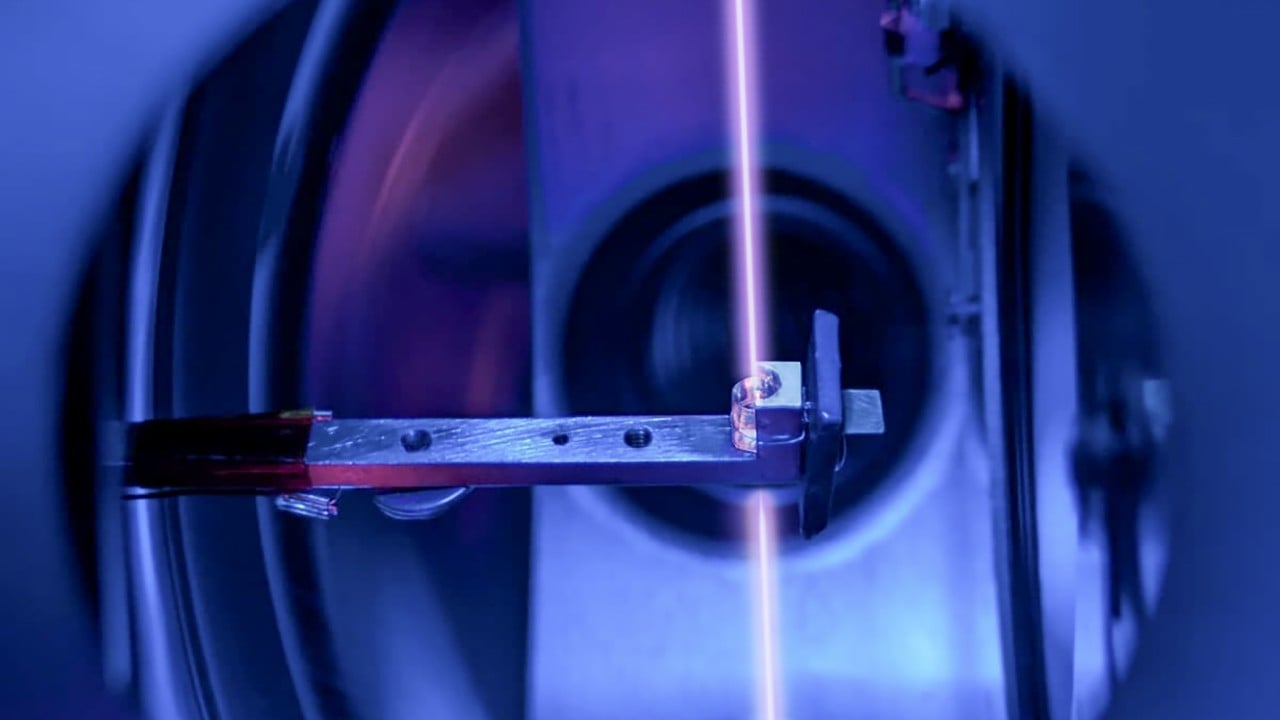
Initial results from the world’s first two working nuclear clocks indicate that China’s timepiece is about six times as stable as the one in Vienna, according to papers published this week by the journal Nature.
The clocks were developed independently but both the Chinese team, led by Tsinghua University in Beijing, and the researchers at Vienna’s TU Wien used thorium-229 nuclei embedded in crystals to keep time by the steady rhythm of the atom’s core, rather than the electrons whirling around it, as in atomic clocks.
When Nature reported in June that the two teams had separately developed the radical new devices, Thorsten Schumm, a member of the European team, said that “now we have a fierce but friendly global competition”.
According to the latest papers, the Beijing scientists also showed that two crystals grown separately kept the same time – a sign such clocks could be reliably reproduced, they said. Meanwhile, the Vienna team used its clock to hunt for dark matter, without success.
Don't Miss:
-
Canada will not allow assisted suicide for those with only mental illness
-
Trump wants to turn Florida golf course into presidential retreat
-
US proposes US$70,000 fee for foreign students to work after graduation
-
France halts use of stun grenades in policing of student protests
-
The Jalisco Cartel: At Its Weakest Point in History