
 How Hungary’s richest man funneled millions into Orbán’s propaganda machine
  How Real Is the US Withdrawal from the Middle East?
  From Iran to China: An Emerging Trans-Central Asian Corridor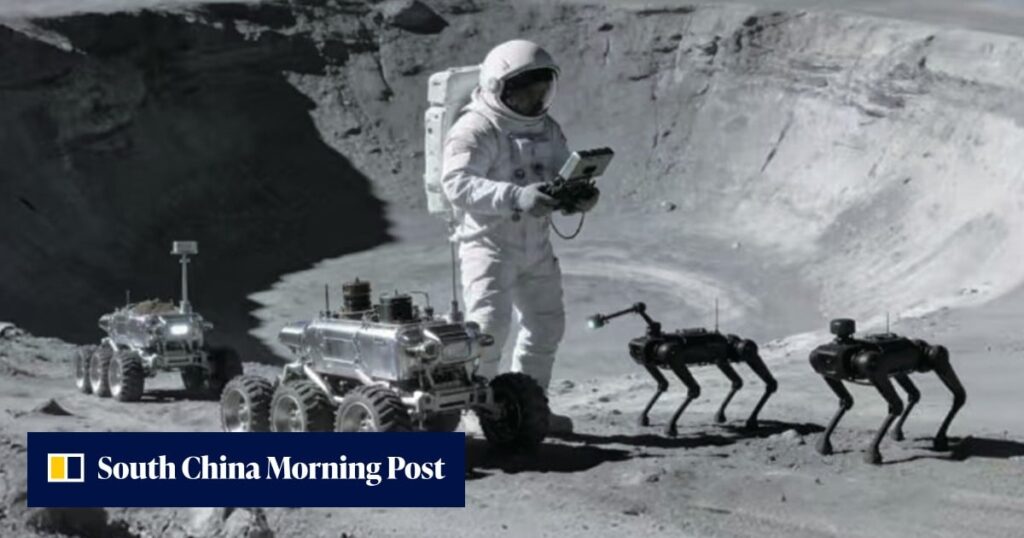
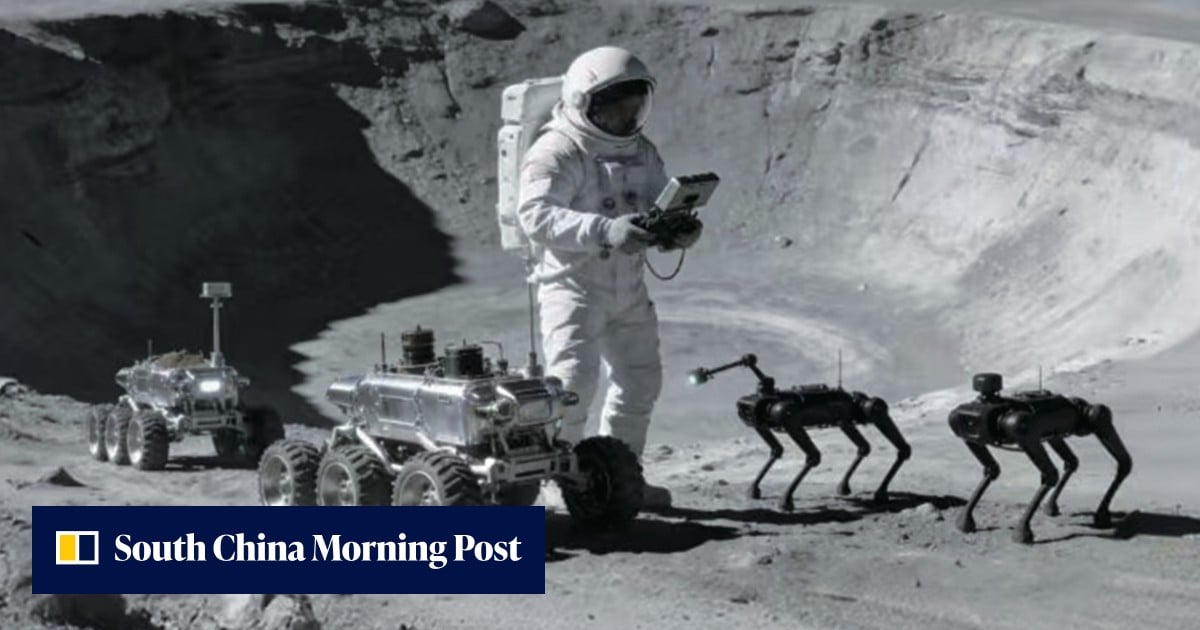
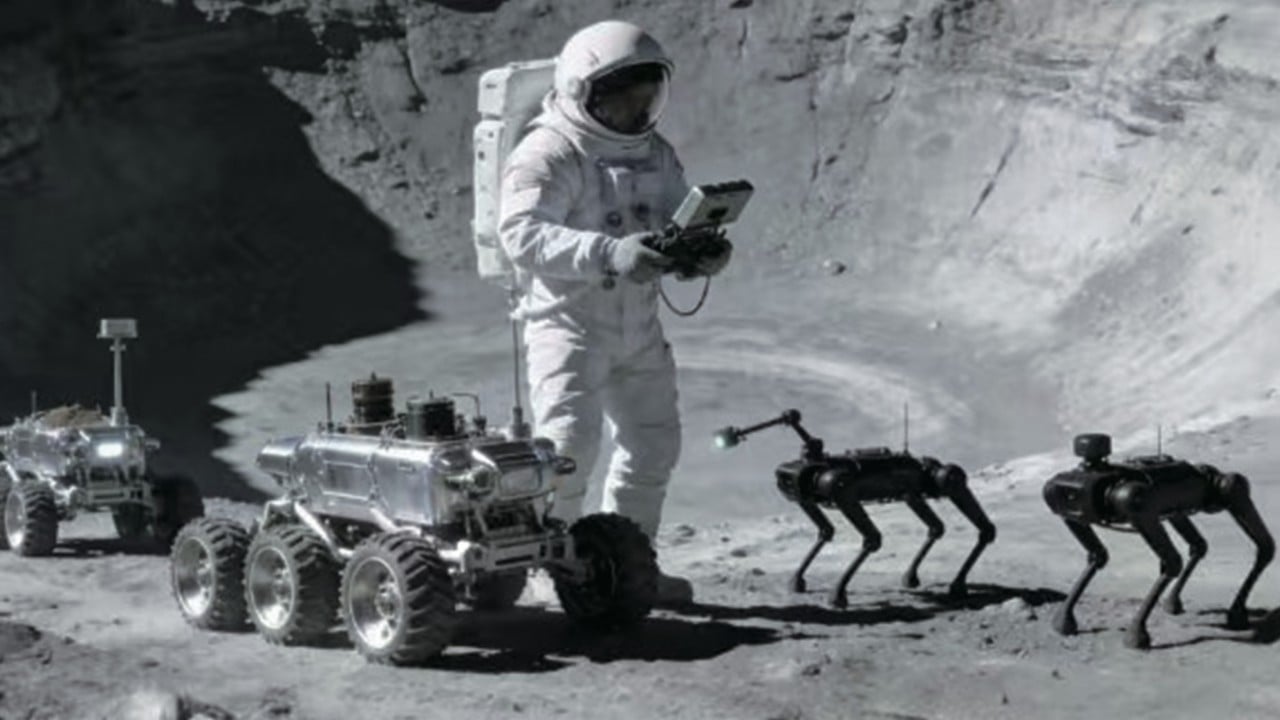
The concept envisions three astronauts working alongside intelligent machines. As the crew explores the moon’s surface, one astronaut would direct two robot dogs across the landscape, while another collects rock samples and carries out detailed scientific work.
A third would remain inside a van-sized pressurised rover, coordinating the mission and controlling other robots when needed, according to the scientists from the China Academy of Space Technology, the nation’s leading spacecraft developer.
“China is extending the frontier of human space flight from Earth orbit to the moon,” the authors wrote in the journal Chinese Space Science and Technology in July, saying future lunar exploration would depend on “astronaut-led decision-making and autonomous robots carrying out the work”.
They would also take on routine tasks such as daily patrols and inspections, regulating air and temperature, cleaning living spaces, tending plants and preparing meals. They could even chat with astronauts, keep them company and help ease the psychological strain of living in an isolated environment.
Don't Miss:
-
US wraps up military mission in Iraq, giving Baghdad room to strengthen China ties
-
As China and the EU begin crunch trade talks, optimism is in short supply
-
Data centre opposition is growing in Australia. Is there a middle ground?
-
Helper arrested for allegedly slapping 5-year-old boy after he refuses to eat
-
Workers, mostly Indian, building US consulate in Milan agree to record settlement