
 From Iran to China: An Emerging Trans-Central Asian Corridor
  New documents show how a retail chain’s sales practices helped put guns on US streets
  Singapore a battleground of commodities fraud lawsuits

China has suffered a rare failure of one of its newer-generation Long March rockets, losing a communications satellite after the launcher exploded shortly after take-off on Monday night.
Around 8pm Beijing time, the unmanned 60-metre (197-foot) Long March 7A blasted off from the Wenchang Space Launch Site on the southern island of Hainan, piercing the night sky as it carried the ChinaSat-4B satellite towards high Earth orbit.
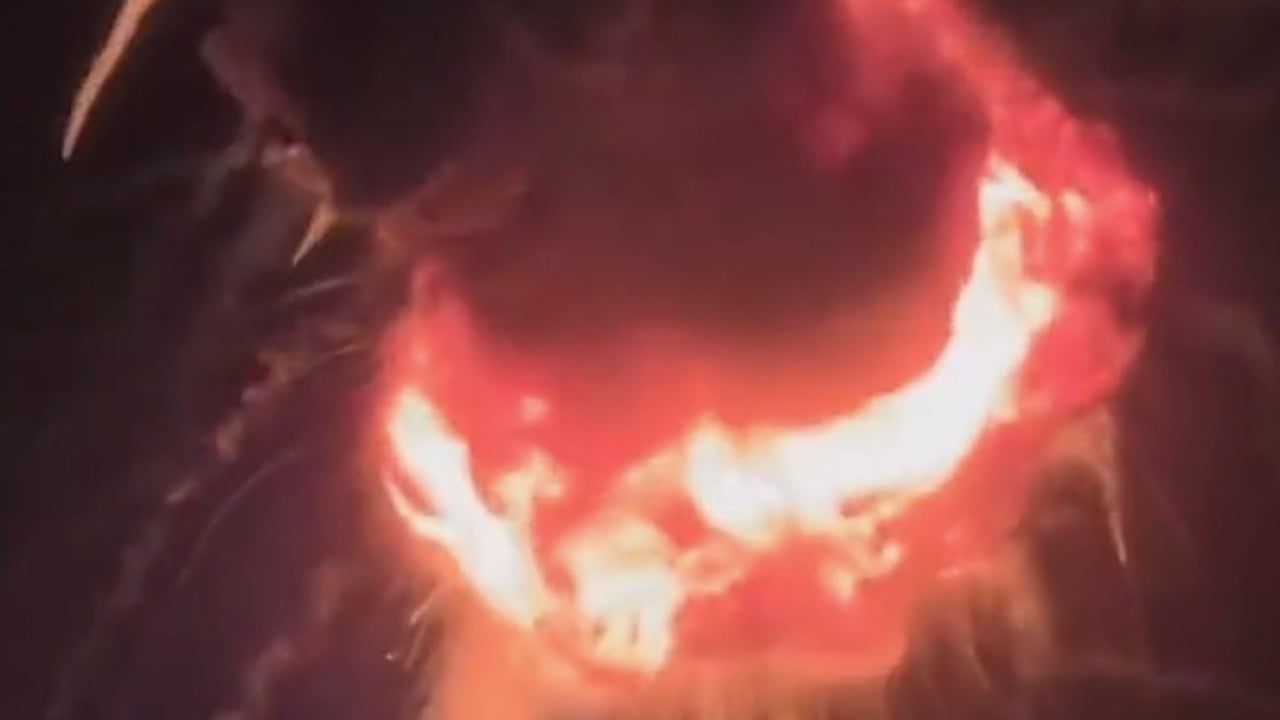
But less than 90 seconds into the flight, the rocket erupted into a fireball engulfed in thick black smoke, according to videos posted on social media by spectators near the launch site.
Space observers suggested a major anomaly may have triggered the rocket’s flight termination system, destroying the vehicle. Both the rocket and satellite were lost over the South China Sea.
State news agency Xinhua confirmed the failure about three hours after the launch, saying the rocket had experienced an “anomaly during flight” and that the mission had failed. It said the cause was under investigation.
Images circulating online, apparently taken from long-wave infrared tracking footage of the launch, appeared to show the rocket snapping near its upper section moments before it was destroyed.
Don't Miss:
-
Hong Kong approves average fee hikes of up to 4.75 per cent for non-public schools
-
4 Indonesian seamen kidnapped by Somali pirates return home
-
UK police arrest seventh man linked to security incident at US-run airbase
-
Iván Cazarín Molina, alias “El Tanque”, Alleged CJNG Operator Active in Several States, Arrested
-
Iceland is ‘critical outpost’ for security, Rubio says during visit