
 Prabowo Faces Growing Discontent as Jokowi Revives His Political Ambitions
  Five years after the Pandora Papers, transparency laws lose their teeth
  How Hungary’s richest man funneled millions into Orbán’s propaganda machine
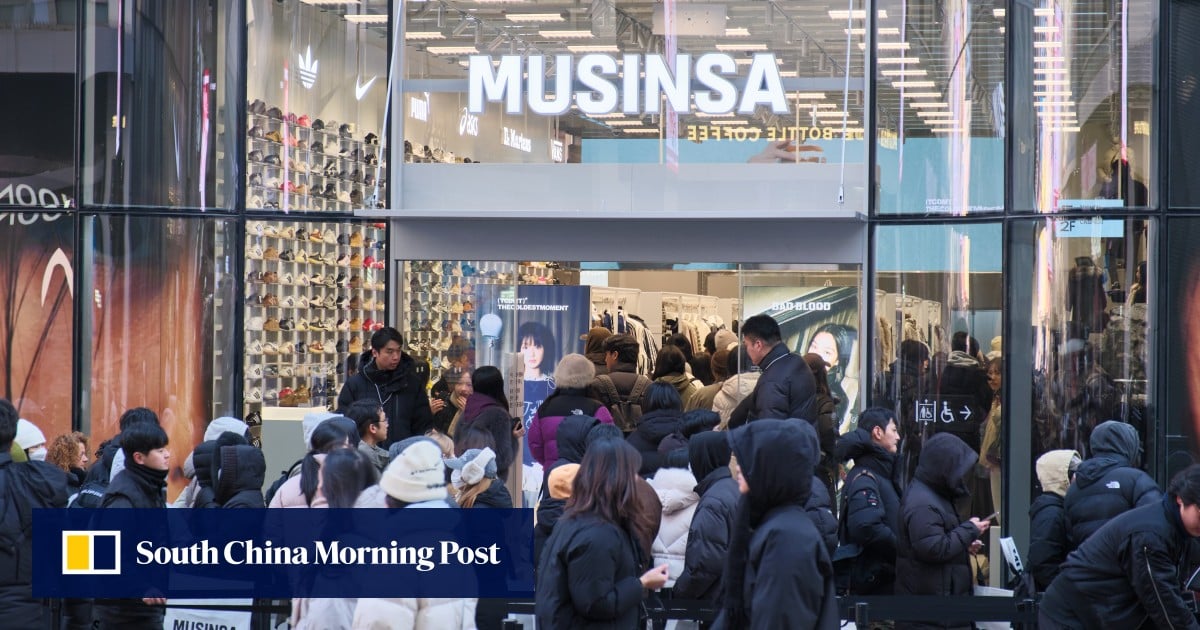
The store carries products from about 350 Korean brands, led by beauty labels, processed foods, fashion items and health supplements. Sellers would only need to register their products, as logistics, marketing and other operations would be handled by platforms acting as intermediaries, the company said.
Advertisement
“We hope the store will serve as a catalyst for revitalising e-commerce between Korea and China,” said Shin Hyun-ho, executive director of corporate strategy at 11street.
Advertisement
The moves come as Chinese consumers account for an important share of South Korea’s cross-border e-commerce market, supported by the growing popularity of Korean products.
According to South Korea’s Ministry of Data and Statistics, the country’s online direct overseas sales reached 1.06 trillion won (US$700 billion) in the first quarter, topping the 1 trillion won mark for the first time in about four and a half years. China was the largest market by country, accounting for 376.3 billion won.
Don't Miss:
-
Two Years On, the Sinaloa Cartel War Changes Shape | The InSight Take
-
US wraps up military mission in Iraq, giving Baghdad room to strengthen China ties
-
As China and the EU begin crunch trade talks, optimism is in short supply
-
Data centre opposition is growing in Australia. Is there a middle ground?
-
Helper arrested for allegedly slapping 5-year-old boy after he refuses to eat