
 Trump Enjoyed His Asian Spectacle. He Came Home Empty-Handed
 Medical device makers have gotten worse at disclosing when their products harm people, new study finds. The FDA let them.
 Anatomy of a Chinese loanbook

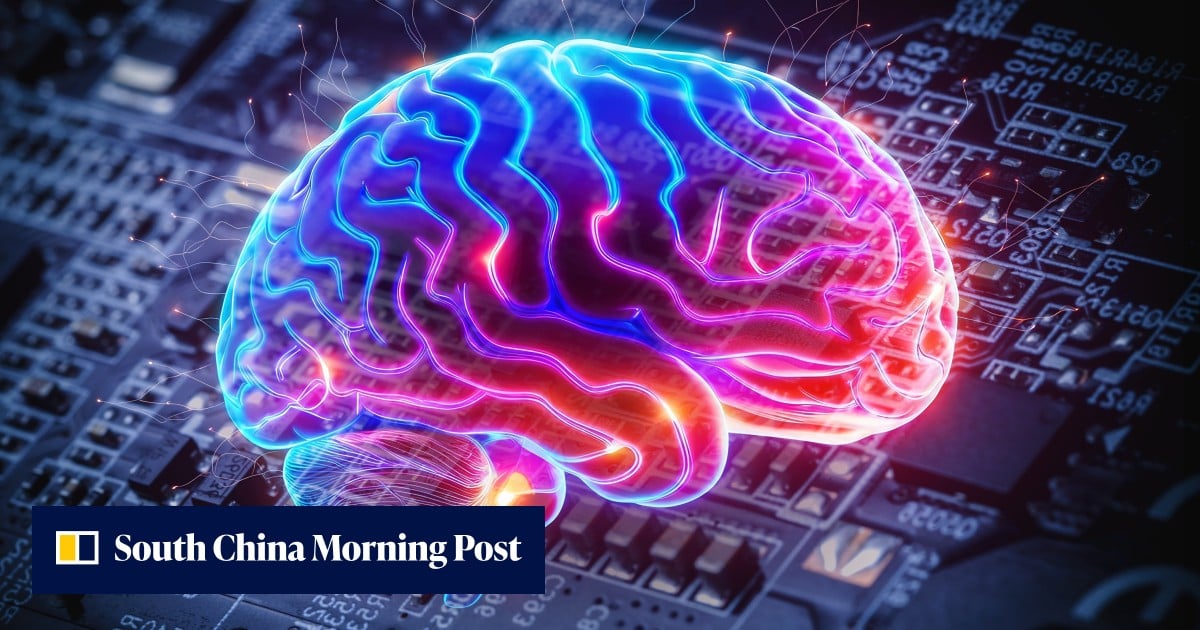
For years, Elon Musk has dreamed of conquering a range of chronic health conditions by inserting computer chips into the human brain. But that vision could become reality fastest in China, where state authorities are launching a coordinated effort to accelerate the nascent industry’s development.
The past few days have seen a string of initiatives related to brain-computer interfaces (BCIs) announced in China, involving parties ranging from state insurance companies to investment banks and local governments.
On Wednesday, PICC Property and Casualty – a major state-owned insurer – announced it had signed the nation’s first commercial insurance policy covering the invasive surgery often needed to implant a BCI in a patient’s brain.
The news sent ripples through the markets, with BCI-linked stocks in Hong Kong climbing as investors bet the insurance breakthrough would help speed up the technology’s commercialisation.
Shares of BCI-related companies rose by 1.59 per cent on Wednesday. Shanghai Heartcare Medical Technology, a maker of neuro-interventional medical devices, was up 1.28 per cent, while software developer BrainAurora Medical Technology rose 1.65 per cent.
PICC Property and Casualty has launched its scheme in partnership with a hospital affiliated with the Zhejiang University School of Medicine in Hangzhou, a tech hub in eastern China home to leading start-ups including AI firm DeepSeek and humanoid robot pioneer Unitree Robotics.
Don't Miss:
-
FBI Most Wanted “Chapo Isidro,” Leader of BLO/Guasave Cartel Arrested in Sinaloa, “El Musico” Possibly Killed
-
DEA’s #FugitiveFriday asks for tips on “El Tano” García Corrales, found dead in Sinaloa in 2024
-
Mocorito, Sinaloa: “El Pagador” and “El Chendo” of La FEA, arrested again 15 months after walking free
-
Zapopan: Marines arrest “El Topo,” alleged Los Deltas leader linked to journalist’s kidnapping; three gunmen killed
-
Anabel Hernández claims “El Mayito Gordo” is back in Mexico, fighting Los Chapitos from the Durango sierra