
 Rick Claypool on Pay to Play Corporate Crime Enforcement
  Labaton Launches Whistleblower Practice with Former SEC Acting Chair Allison Herren Lee
  Kremlin payment firm A7 has been pumping billions in ‘untraceable’ cash into global financial system

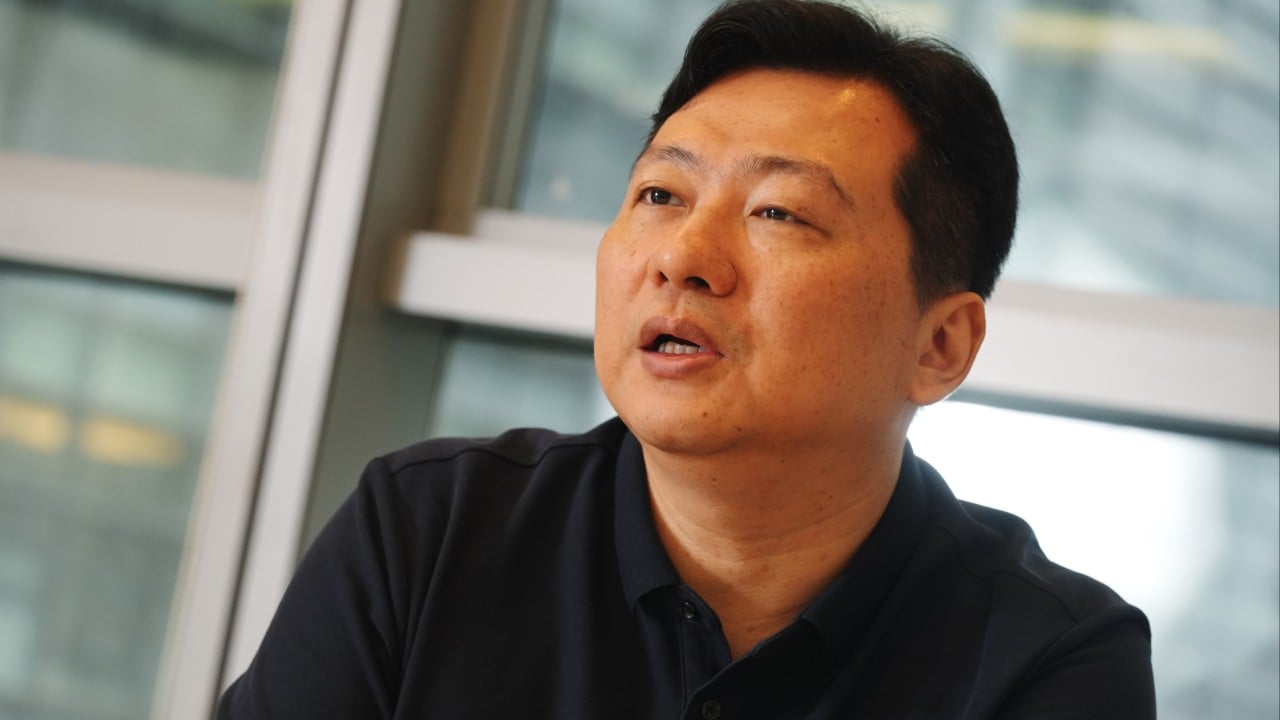
But in late 2024, Liu’s departure from Tencent after more than eight years sparked immediate speculation as to why he left. Hunyuan was introduced only a year earlier – so why did Liu suddenly quit one of China’s most deep-pocketed tech companies so early into the AI boom?
Speaking to the South China Morning Post, the term Liu repeatedly used was fanshi, or “paradigm”. Commonly used among AI researchers, the term refers to a technical breakthrough that defines a new era of AI innovations, notable examples being OpenAI’s ChatGPT and Anthropic’s Claude Code.
Advertisement
For Liu, the lack of fanshi innovations is the biggest Achilles’ heel of China’s AI industry. “Chinese companies are either copying DeepSeek or US companies at the core technical level,” he said, referring specifically to the development of large language models (LLM), the centrepiece of the global AI race.
Since DeepSeek’s breakout moment early last year, there has been recurring speculation about whether Chinese LLMs have caught up with their US counterparts. However, narrowing public benchmark scores do not accurately reflect a gap in real-world usefulness, said Liu.
Advertisement
While US industry leaders have continued to push the technical frontier, notably with the launch of Anthropic’s Mythos model in April, domestic Chinese leader DeepSeek failed to reach the same heights it previously did with its latest V4 model.
Don't Miss:
-
A Total of 13 Mass Graves Have Been Found in Viesca Containing the Charred Remains of Men and Women
-
Jorge Luis Zambrano, alias “Rasquiña”
-
El Taliban Fell In Mazatlán… And What He Confessed Ties Everything Together
-
Inside the Camp at the Heart of Honduras’ Garífuna Land Struggle
-
This Is How the MataZetas Captured and Executed the Zetas