
 From Iran to China: An Emerging Trans-Central Asian Corridor
  New documents show how a retail chain’s sales practices helped put guns on US streets
  Singapore a battleground of commodities fraud lawsuits
 Even as Congress remains divided over the latest US defence bill, lawmakers in both parties remain united on one issue: China.
The National Defence Authorisation Act (NDAA), which sets US defence policy and authorises military spending each year, reflects a broad bipartisan consensus on expanding Washington’s military, technological and economic rivalry with Beijing.
While the House and Senate versions differ on a number of provisions, both include new measures on Taiwan, artificial intelligence, defence supply chains and preparations for a potential South China Sea crisis, underscoring how competition with Beijing has become embedded throughout US national security policy.
The House has already passed its version of the financial year 2027 NDAA, while the Senate is struggling to approve its own before next week’s August recess. The two chambers will then have to reconcile their differences before sending the legislation to US President Donald Trump for his signature.
This year’s tone is largely the same as in past bills, experts say, though with notable new additions targeting China across a wide range of issues, from defence procurement and supply chains to artificial intelligence, industrial policy and economic security.
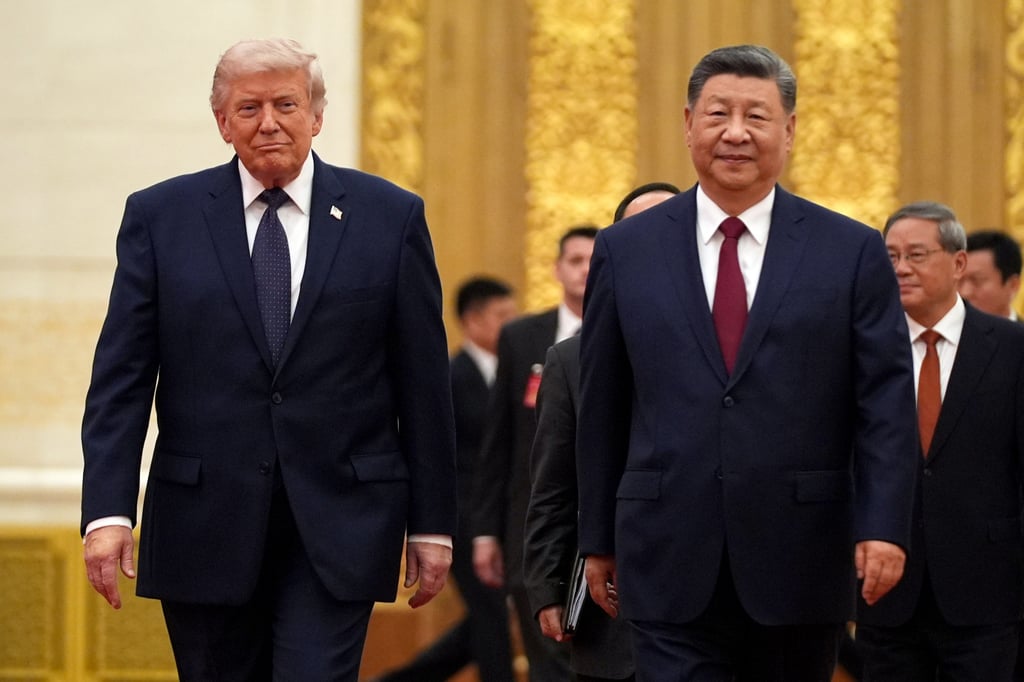
Bonnie Glaser, managing director of the German Marshall Fund’s Indo-Pacific programme, said the NDAA had increasingly been used to bolster resilience against China while strengthening defence ties with allies and partners.
Don't Miss:
-
John Lee promises ‘high-quality’ experience for Apec finance meeting guests
-
John Lee urges public to tune in to Legco debate on city’s 5-year plan, policy address
-
Hong Kong prepares reforms, accountability measures ahead of Tai Po fire report
-
Turkmenistan grows its arsenal of Chinese air defences as Russia’s role shrinks
-
India sizes up US F-35 stealth jets in landmark first on home turf